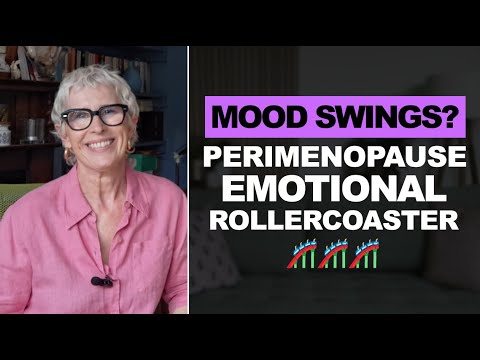
So, mood swings. They can hit you like a ton of bricks, right? One minute you’re floating on cloud nine, and the next, you’re ready to cry over a spilled cup of coffee. Seriously, what’s that all about?
I’ve been there. You wake up feeling amazing, and then—bam!—something small sends you spiraling. It’s like being on an emotional rollercoaster that you didn’t sign up for.
And let’s be real: it can get frustrating. You wonder if anyone else feels this way or if it’s just you going a little nuts. Spoiler alert—it’s totally normal!
We’ll chat about what causes these swings, how they mess with your day-to-day life, and maybe even a few tricks to handle them better. So grab a drink and let’s dig in!
Effective Strategies to Manage Mood Swings in Women: A Comprehensive Guide
Managing mood swings can feel like being on an emotional rollercoaster, can’t it? Whether you’re experiencing shifts due to hormonal changes, stress, or just life in general, there are effective strategies to help you find your balance. Here’s a look at some practical ways to handle those ups and downs.
Recognize Your Triggers
The first step is figuring out what sets off your mood swings. It could be hormonal fluctuations related to your menstrual cycle, stress from work, or even food choices. Keeping a journal can help track your moods and their triggers. Once you know what impacts you, it’s easier to prepare for it.
Lifestyle Adjustments
Small changes in your daily routine can make a big difference. Here are some things to consider:
- Regular Exercise: Getting active releases endorphins, which are natural mood lifters. Even a daily walk can work wonders.
- Balanced Diet: Eating well fuels your body and mind. Try incorporating more fruits, veggies, and whole grains into your meals.
- Sufficient Sleep: Lack of sleep can crank up irritability and sadness. Aim for 7-9 hours each night.
Think about a time when you felt overwhelmed after not sleeping well or when you indulged too much on junk food—remember how that affected your mood?
Mindfulness and Meditation
Practicing mindfulness can also be super helpful. Activities like yoga or meditation teach you to stay present and recognize emotional patterns without judgment. Just taking a few deep breaths when you’re feeling overwhelmed can ground you.
Communication
Don’t shy away from talking about how you’re feeling. Sharing with friends or family can lighten the load—sometimes just saying it out loud makes it feel more manageable. Finding someone who gets what you’re going through is invaluable.
Professional Support
If moods are swinging wildly or affecting daily life, seeking professional help could be the best route. Therapists can provide tools tailored specifically for you during tough times—it’s all about finding what works best.
Coping Mechanisms
Developing simple coping strategies is key when the waves hit hard:
- Breathing Exercises: They’re easy! Taking slow breaths helps calm racing thoughts.
- Creative Outlets: Whether it’s painting or writing poetry, expressing yourself creatively lets emotions flow.
- Aromatherapy: Scents like lavender or chamomile might soothe anxiety—burning a candle while relaxing could be worth trying!
Remember that everyone experiences ups and downs—the thing is learning how to ride the waves rather than letting them drag you under.
Finding effective strategies takes time; don’t beat yourself up if some methods don’t resonate right away. Life’s too short for that! Keep experimenting until something clicks for you—you’ve got this!
Understanding the Speed of BPD Mood Swings: What to Expect and How to Cope
BPD, or Borderline Personality Disorder, is like this emotional rollercoaster that can leave you feeling a bit dizzy. One moment, you’re on top of the world, and the next, you might feel totally devastated. It’s not just annoying; it can be really tough to navigate. Mood swings in BPD can happen quickly, sometimes within hours or even minutes. Understanding these mood changes is key to coping with them.
So what causes these wild ups and downs? Basically, it’s all about emotions. People with BPD often experience feelings that are super intense and can shift rapidly because of factors like stress, relationship issues, or even just a comment that feels off. You could be having a great day at work and suddenly get an email that hits you wrong; before you know it, you’re in tears wondering why everything feels so heavy.
Another thing to remember is how interpersonal relationships play a huge role. You might feel fantastic when someone shows you love or support but then plummet if they seem distant. It’s like riding a wave of affection followed by crashing waves of insecurity. That shift can feel jarring but is pretty common.
When handling these swings, some coping strategies might help:
- Mindfulness: Staying present can ground you during intense emotions.
- Journaling: Writing down feelings can help process mood changes.
- Talk therapy: Speaking to a therapist about your experiences offers a safe space for exploration.
- Grounding techniques: Simple methods like deep-breathing or focusing on your senses can ease overwhelming feelings.
For example, let’s say you’re at a family gathering and suddenly feel irritated without knowing why. You could use mindfulness by focusing on your breath for a moment—a few deep inhalations and exhalations—to help calm down before reacting impulsively.
Also, having a support network is vital. Friends or family who understand your experiences can provide comfort when emotions spike unexpectedly—kind of like having a safety net when the ride gets bumpy.
Finally, don’t hesitate to reach out for professional support if things feel too much to handle alone. Therapy specifically designed for BPD usually focuses on building awareness around those emotional shifts and teaches skills to manage them effectively.
Remember that understanding the speed of BPD mood swings takes time—it’s an ongoing journey where you’ll learn more about yourself every step of the way!
Understanding the Hormones Behind Mood Swings in Women: Key Factors and Insights
Mood swings can feel like riding a rollercoaster—wild ups and downs that can leave you feeling a bit dizzy. For many women, these emotional shifts are often tied to hormones. But what’s actually going on? Well, let’s break it down in simple terms.
Hormones play a big role in mood regulation. They’re like tiny messengers in your body that signal different processes. Two key players in this drama are estrogen and progesterone. Both of these hormones fluctuate throughout your menstrual cycle, which is usually around 28 days for most women.
During the first half of the cycle, estrogen levels rise gradually after menstruation. Estrogen is often linked to feelings of happiness and energy; this is when many women report feeling more optimistic and social. But then comes ovulation, when the body releases an egg. This can trigger some intense emotions because hormone levels begin to shift again.
After ovulation, progesterone takes over as estrogen levels drop. Now, progesterone has a different vibe—it can make some women feel more relaxed but also moody or even anxious at times. It’s like having one foot on the gas pedal and the other on the brake; you might feel calm but also irritable or down.
Many women experience PMS (premenstrual syndrome), which kicks in during this luteal phase—the time between ovulation and menstruation. Symptoms might include mood swings, irritability, anxiety, fatigue, or sadness. For some folks, this phase is no joke! It can feel like battle with emotions that swing from joy to tears over something small.
Another thing to consider is how stress impacts hormones as well. When you’re stressed out—whether it’s work pressure or personal issues—your body produces cortisol (the stress hormone). High cortisol levels can interfere with your menstrual cycle and worsen mood swings even more.
Also keep in mind that every woman is different! Maybe your friend feels totally fine during her cycle while you ride an emotional wave each month. Genetics, lifestyle factors, diet choices—these all come together to shape how hormones affect you personally.
Look at it this way: if you’re feeling like you’re on that emotional rollercoaster with unpredictable highs and lows every month—you’re not alone! It helps to talk about it with someone who understands what you’re going through.
In short:
- Hormones like estrogen and progesterone fluctuate throughout the menstrual cycle.
- PMS symptoms happen due to hormonal shifts.
- Stress influences hormonal balance too!
- Every woman’s experience varies greatly.
So next time those mood swings hit hard—remember it’s part of your body’s natural rhythm! And hey, talking about it can be super helpful too; whether it’s with friends or a professional who gets what you’re going through!
You know, mood swings can feel like you’re on this crazy emotional rollercoaster. It’s like one minute you’re on top of the world, and the next, you’re spiraling down into a funk. Seriously, I remember a time when I was chatting with my friend about her day. She was laughing about something silly, and then out of nowhere, she started tearing up over a commercial she saw. I mean, who hasn’t been there?
For many women, these intense mood swings can be tied to hormonal changes. You’ve got your menstrual cycle influencing everything from energy levels to your overall vibe. And it’s not just about that time of the month; stress levels and life events play huge roles too.
One moment you feel invincible and ready to tackle anything life throws at you. But then, suddenly, small things can feel overwhelming—like the dishes piling up or an unexpected text from someone you’ve been dodging. It’s wild how quickly feelings can shift.
And look, sometimes society just doesn’t get it—like people assume you’re being “overdramatic.” But those ups and downs are real! It’s all part of being human. Just because you’re feeling a bunch of things at once doesn’t mean there’s something wrong with you; it just means you’re experiencing life in its fullness.
The cool part? Once you recognize what’s happening, it becomes easier to ride those waves instead of letting them knock you down. So maybe it’s about finding tools that ground you—whether that’s journaling your thoughts or talking to a friend who understands where you’re coming from.
Navigating those emotional highs and lows isn’t always easy; sometimes it feels downright exhausting! But embracing those feelings as part of who we are can lead to deeper connections with ourselves—and others too.