You know that moment when you’re sitting in a meeting or maybe just chilling, and your foot starts tapping like it’s got a mind of its own?
Yeah, that’s fidgeting.
It feels harmless, right? But sometimes, it’s your body’s way of dealing with anxiety.
Seriously, it’s like an outlet for all that pent-up nervous energy.
Picture this: you’re at an event, everyone’s chatting, and you can’t stop twisting your ring or biting your nails. Ever been there?
It might seem annoying, but fidgeting can actually be a signal that something’s up inside your head.
Let’s dive into how this little habit is more than just a quirk—it’s part of the way we cope with those anxious feelings we all get from time to time.
Understanding the Connection Between Fidgeting and Anxiety: Signs You Shouldn’t Ignore
Fidgeting is one of those things that might seem pretty harmless, right? But it can actually tell you a lot about what’s going on inside your head, especially when it comes to anxiety. So, let’s break it down.
When you’re feeling anxious, your body often goes into overdrive. Fidgeting is a way your body responds to that. It could be tapping your foot, twirling a pen, or doodling during a meeting. These little movements might help you release some of that pent-up energy. But if you’re fidgeting more than usual, it might be a sign of something deeper.
You know how sometimes you can’t sit still during stressful situations? That’s not just in your head. Anxiety can manifest physically in many ways, and fidgeting is one of them. It’s like your body’s way of dealing with the built-up tension and worry.
There are several signs related to fidgeting and anxiety that you shouldn’t ignore:
- Increased Restlessness: If you find yourself moving around more often or needing to get up constantly without any real reason.
- Difficulty Focusing: Fidgeting might interrupt your ability to concentrate on tasks or conversations.
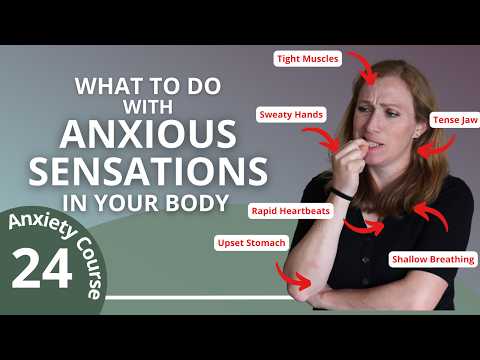
- Physical Symptoms: Notice if fidgeting comes with other symptoms like sweating, rapid heartbeat, or stomach issues.
- Avoidance Behavior: You might catch yourself fidgeting during situations you’d rather avoid altogether.
For example, let’s say you’re at a family gathering and you’re nervously playing with your ring the whole time. It could be just a habit—or maybe it signals that you’re feeling overwhelmed by all the social pressure.
So why does this matter? Well, understanding these signs can actually help you get ahead of things before they spiral out of control. If fidgeting becomes constant or interferes with daily life, it’s essential to consider talking to someone about it.
Don’t forget that managing anxiety often involves more than just recognizing the symptoms—it could mean accessing support through therapy or other resources too.
Remember this: You’re not alone in feeling this way! Many folks deal with anxiety and find their own ways of coping, with fidgeting being one common response. Listen closely to what your body is trying to communicate!
Understanding the Connection: How Fidgeting Alleviates Anxiety and Boosts Focus
Fidgeting might seem like a quirky habit, but it can actually play a huge role in how you manage anxiety and sharpen your focus. You know that restless feeling when you’re anxious? Like your legs just want to bounce or your fingers need to do something? Well, fidgeting can help channel that energy in a way that can really make a difference.
First off, let’s talk about anxiety. When you’re feeling anxious, your body is basically saying, “Hey! Something’s not right!” This might come with racing thoughts, sweaty palms or that tight knot in your stomach. Fidgeting acts like a release valve for all that pent-up nervous energy. It gives your body something to do while your mind runs through its endless loop of worries.
But how does this work exactly? When you fidget—whether it’s tapping your foot, playing with a pen, or doodling—you activate certain parts of the brain that calm you down. It’s like sending little signals saying, “Hey brain! Focus on this instead of freaking out!” It’s science-y but think of it as redirecting the pressure; kind of like changing channels on TV when the news gets too intense.
One key point is that fidgeting keeps many people engaged during long tasks. You know those moments when you’re trying to concentrate in a meeting or while studying? Fidgeting can help keep your mind alert without distracting others. It’s almost like giving yourself mini breaks without leaving the job at hand.
- You might notice this yourself—when you’re doodling during class or squeezing a stress ball while on a call. Your focus actually sharpens up!
- This works even better for folks with ADHD or other focus issues; fidgeting has been shown to help them stay attentive longer. So it’s not just random behavior. There’s some real benefit behind it!
- Even simple things like chewing gum or using a fidget spinner can serve as little anchors in chaotic moments.
You might be thinking about other ways this plays out in daily life. Imagine sitting at a desk for hours—maybe working from home—and suddenly feeling restless and unfocused. A quick stretch followed by some light fidgeting could refresh your mind and relieve that tightness building up inside.
The truth is, everyone fidgets differently. Some people prefer silent movements; others go for more tactile things like squeezing putty or twirling hair around their fingers. Not every way will work for everyone, which is part of what makes this so interesting—you get to find what best suits you!
If you’re wondering about incorporating more helpful fidget habits into your day-to-day life, start small: try keeping a stress ball on hand during meetings and see if it helps keep you calm and focused. Or maybe doodle while brainstorming ideas—anything goes!
So next time you catch yourself twirling something between your fingers or tapping your foot non-stop under the table, remember: it’s okay! That little bit of movement not only helps ease anxiety but also boosts focus and productivity overall.
Exploring Fidgeting as a Coping Mechanism for Stress and Anxiety
So, fidgeting, huh? You might think it’s just a quirky habit, like twirling your hair or bouncing your knee. But honestly, fidgeting can be a pretty solid coping mechanism when it comes to handling stress and anxiety.
Why do we fidget? Well, when things start feeling overwhelming—like that moment right before a big test or an awkward social situation—your body naturally seeks some kind of release. Fidgeting brings a physical outlet for that nervous energy. It’s kinda like how someone might pace back and forth when they’re anxious. You’re not just tapping your foot for no reason; you’re actually trying to manage those feelings bubbling up inside.
Stress and anxiety can put you on edge, making it hard to focus or even sit still. That’s where fidgeting kicks in. It can help you refocus your mind and ground yourself in the present moment. Remember when you were a kid and you’d scribble on a piece of paper during class? That wasn’t just doodling; it was helping your brain stay engaged while processing all the info going on around you.
Types of Fidgeting come in many forms too. You’ve got the classic nervous habits like biting nails or tapping fingers, but there are also more intentional options. Things like stress balls, fidget spinners, or even playing with putty can serve the same purpose but feel less annoying to those around you! It becomes almost like your personal toolkit for dealing with anxiety.
Some research suggests that fidgeting could actually improve concentration. Yeah! Studies show people who engage in small movements while learning can remember things better compared to someone sitting completely still. Just think about it: if your body is restless but you force yourself to sit still, it’s super tough to concentrate on that math problem or get through that long meeting.
Another cool aspect is how fidgeting promotes relaxation. When you’re engaging in these little activities, it produces dopamine—the feel-good chemical in our brains. So not only are you managing stress by keeping your hands busy; you’re also giving yourself a mini mental boost along the way!
However, there’s definitely a balance here. While fidgeting helps many people cope with anxiety, if someone starts doing it excessively or it becomes disruptive—like constantly interrupting others during conversations—it might be worth chatting with a therapist about alternative strategies.
In summary, fidgeting isn’t just random behavior. It’s actually a way many people handle their stress and keep their minds clear amid chaos. Whether you’re playing with a rubber band or tapping your leg during tense moments, know it’s all part of finding ways to feel just a bit more in control of those feelings swirling inside you!
You know that feeling when your mind is racing, and your legs just can’t seem to stop bouncing? That’s fidgeting for you. It’s like our body’s way of saying, “Hey! I’m here, but there’s a storm going on inside.” When anxiety creeps in, some people might find themselves tapping their fingers, playing with their hair, or even doodling on a notepad. It seems random, but it makes sense if you think about it.
I remember this one time in school—anxiety was like a thick fog around me before a big presentation. My friend sat next to me and was nervously spinning her pen around in circles. I asked her why she did that, and she said it helped to keep her grounded. I could totally relate! Those little actions can serve as an anchor when everything feels chaotic.
Basically, fidgeting can be calming in those moments of stress. Your body is releasing that pent-up energy and tension; it’s like an emotional release valve! Research even shows that fidgeting can help some people focus better. It might sound counterintuitive because you’re moving around so much, but for many folks, being slightly active helps them process information more effectively.
But here’s the thing: not everyone gets the same comfort from fidgeting. For some people, it could be distracting or even make them feel more anxious. It really depends on the individual and the situation they’re in. So if you see someone tapping away or shifting their weight back and forth during a tense moment—don’t judge too harshly; they might just be finding their own way to cope.
In short? Fidgeting might seem small or silly at first glance, but for many of us dealing with anxiety, it’s just another tool we use—like deep breaths or pausing to collect our thoughts. Everyone has their own way of navigating through anxiety; finding what works for you is key!