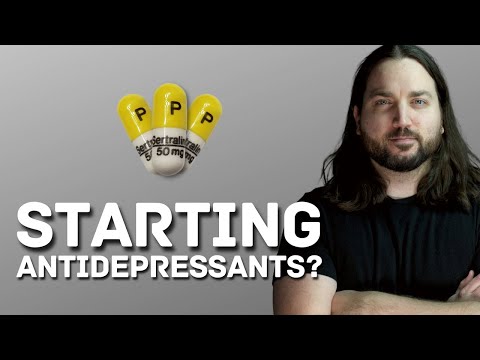
Starting Zoloft? Yeah, it can be a bit of a rollercoaster. You’re probably feeling a mix of hope and anxiety right now. Like, will this actually help?
You’re not alone in this. Lots of folks experience ups and downs when they first start their medication. Those initial days? They can be a whirlwind of emotions.
So, let’s chat about what to expect. We’ll explore those feelings swirling around your head and heart during this transition. It’s all part of the process, you know? Just breathe, okay? We’ve got this together!
First Day on Zoloft: What to Expect and How It May Feel
Starting Zoloft can feel like stepping into the unknown. You might be excited about the prospect of feeling better, but let’s be real—it can also bring a whirlwind of emotions. So, what should you expect on your first day?
The thing is, Zoloft (or sertraline) is an SSRI, which stands for selective serotonin reuptake inhibitor. Basically, it helps increase serotonin in your brain—a neurotransmitter linked to mood regulation. But just because you take it doesn’t mean you’ll feel its effects right away.
On your first day, you may not notice much change at all. Many people don’t feel significant effects until a few weeks in. Your doctor might have told you this, but when you’re waiting for relief from anxiety or depression, it feels like an eternity.
Still, some folks do experience side effects pretty quickly. Here’s what could happen:
- Nausea: It’s like that weird sick feeling in your stomach that just won’t go away.
- Fatigue: You might feel sleepy or drained—don’t panic if you need an extra cup of coffee.
- Headaches: These can creep up unexpectedly; it’s frustrating but usually goes away.
- Anxiety increase: For some people, starting a new med can spike anxiety before it gets better!
Picture this: Sarah had been struggling with anxiety for years and finally decided to give Zoloft a try. On her first day, she felt a bit lightheaded and more anxious than usual. It was discouraging, but she remembered her doctor saying that these feelings could pop up at first.
It’s also possible to feel a little disconnected or foggy. You might get moments where you’re just “off.” This can be unsettling but is often temporary as your body adjusts.
Remember, taking Zoloft isn’t like flipping a switch; it’s more like planting a seed—you have to give it time and care to grow into something beautiful.
In the next few days or weeks, things may evolve for you. Some people find their energy levels change or that they start sleeping better after adjusting to the medication. Others find their mood lightens gradually but steadily.
So take note of how you’re feeling and keep communication open with your doctor. Keep track of any side effects you’re experiencing so you can discuss them at your follow-up appointment.
And seriously? Don’t hesitate to reach out if things seem overwhelming—support from friends or family while navigating this new journey matters too!
Just give yourself grace during those initial days on Zoloft—you’re working toward feeling better!
Understanding the Initial Emotional Effects of Zoloft: What to Expect
Starting Zoloft, or sertraline, can feel like hopping onto a rollercoaster for the first time. You might be excited but also a bit anxious about what’s ahead. So, you’re probably wondering what emotions might pop up in those early days.
First off, **Zoloft works on your brain’s chemicals**, especially serotonin. This is the stuff that helps regulate your mood, so when you start taking it, you’re kind of giving your brain a little nudge to balance things out. But here’s the kicker: it doesn’t just work instantly. It takes some time to kick in—like a few weeks—to really feel its full effects.
Now let’s talk about those initial emotional effects. For some people, the first few days can feel like a mixed bag of surprises and changes:
- Increased Anxiety: Some folks might feel more anxious at first. It’s like when you’re about to dive into deep water—you know it could be refreshing but also scary.
- Emotional Numbness: Others report feeling a bit emotionally flat or numb. They might notice they don’t react as strongly to things that usually spark joy or sadness.
- Sensitivity: On the flip side, some people find themselves more sensitive to emotions—crying over commercials or feeling overwhelmed by small things.
- Changes in Sleep: Sleep can go wonky too. You may find yourself sleepless one night and then completely wiped out the next.
So, take Jenna as an example—a friend who started Zoloft last year. At first, she felt incredibly anxious—it was like her mind was racing without taking a break! But after sticking it out for a week or two, she slowly started noticing that those feelings calmed down.
Of course, not everyone experiences these same effects! Some people sail through with minimal side effects. It’s all about how your body adjusts to this new medication.
Another important thing? **Don’t hesitate to reach out for support** if those feelings become overwhelming. Whether it’s talking to friends or family or chatting with your doctor about your experience—you’re not alone in this journey.
One last note: remember that patience is key! The initial emotional ups and downs are often temporary as your body gets used to Zoloft. Stick with it; lots of people find their footing soon enough!
In sum, starting on Zoloft isn’t just about taking a pill—it’s part of a process where your emotions might have their own little adventure before getting balanced out again. Be gentle with yourself during this time and recognize that it’s totally okay to feel however you’re feeling—it’ll get better!
Understanding Sertraline: When Does It Reach Peak Effectiveness?
When you’re starting on sertraline, also known as Zoloft, it’s totally normal to be curious about what to expect. It’s a type of medication that helps manage anxiety and depression by balancing chemicals in your brain. You might be asking yourself: when does it actually start working? Well, this is where things can get a bit tricky.
So, here’s the deal: when you first start taking sertraline, you probably won’t feel the full effects right away. In fact, most people notice peak effectiveness around 4 to 6 weeks after they begin treatment. It can feel like a long wait—like watching paint dry sometimes! But trust me, patience is key here.
Initially, in the first few days or so, you may experience some early changes. Some folks report feeling a bit more energized or even a little anxious at first. This can be confusing! It’s like your brain is adjusting to the new vibe of sertraline entering the scene. You might find that you have ups and downs during this early phase. Just remember: these feelings are usually temporary.
Once you’re around two weeks in, some people start noticing mildly improved mood or reduced anxiety levels—nothing earth-shattering yet but definitely something to hold onto as a sign that it’s working its magic! And by the time you hit that four to six-week mark, many notice significant improvements in their symptoms.
Let’s break things down a bit more:
- First Week: You might feel different—maybe more jittery or sleepy; that’s pretty normal.
- Weeks Two to Three: Little by little your mood could start lifting; think of it like the clouds parting on a gloomy day.
- Weeks Four to Six: This is where most see better results; things generally feel more balanced and manageable.
But hey, everyone’s journey is unique! You might not fit into this neat timeline perfectly; some people take longer or even shorter to reach peak effectiveness. Your body’s chemistry is specific to you—kind of like your favorite combo of toppings on pizza.
Also, don’t forget—if you are worried about how things are going with your medication or if side effects pop up that feel too uncomfortable (like nausea or sleep issues), reaching out to your doctor is super important. They can help figure out if adjustments need to be made.
So all in all, while waiting for sertraline’s full effect can test your patience at times, keeping track of those little wins along the way can really help lift your spirit as you navigate through those initial bumps on this journey! Just hang tight and remember—you’re not alone in this process!
Starting Zoloft can feel like stepping onto a wobbly tightrope, you know? One minute, you might be hopeful for the stability it promises; the next, anxiety bubbles up as you wonder how your emotions will react. It’s totally normal to have mixed feelings during this transition.
I remember when my friend Sarah began taking it. She was super nervous but also kind of excited. Those initial days were all over the place. Some moments felt lighter, almost like she could breathe easier. But then there were times when she felt more overwhelmed than before, like her feelings were on a rollercoaster ride. She would text me about everything—the heightened emotions, the weird moments of joy, and even the unexpected sadness.
At first, it’s hard to pinpoint what’s real and what’s just a side effect of the medication kicking in. You might find yourself crying unexpectedly or smiling at things that used to make you anxious. It can be confusing! So many people experience this emotional whirlwind when they first start Zoloft or any SSRI for that matter.
And honestly? It takes time for your body to adjust—like a new pair of shoes that need breaking in. You’ll probably notice shifts in sleep patterns too; sometimes you might feel sleepy at weird times or have trouble falling asleep at night. Hang in there! Your feelings will settle down as your brain chemistry starts to balance.
Journaling helped Sarah immensely during this phase. Writing down her thoughts gave her clarity and helped her track changes in her mood day by day; kind of like having a tiny therapist right on her nightstand!
The key is being patient with yourself. Emotions are tricky, especially when you’re adjusting to something like Zoloft. Know that it’s okay to experience ups and downs—it’s part of finding your footing again while your mind adjusts to this new support system. Be gentle with yourself as you navigate these early days; they won’t last forever, and soon enough you’ll find your balance again.