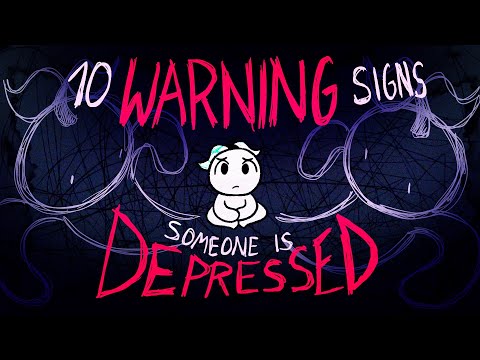
Hey, you know how sometimes you just feel off? Like, things aren’t quite right, but you can’t put your finger on it? Yeah, that happens to a lot of us.
Maybe you’re sleeping a ton or not enough. Or perhaps your usual hobbies don’t excite you anymore. It can be super confusing when these feelings creep in.
So, what’s the deal with that? Well, recognizing the early signs of depression can be tough. But catching them early is key. Trust me on that one.
Let’s chat about what those signs might look like for you. It’s all about understanding yourself better, right?
Recognizing the Signs: How to Identify an Incoming Depressive Episode
Recognizing when you might be sliding into a depressive episode can be tough. Seriously, it’s like trying to see the storm clouds rolling in when it’s bright and sunny. But understanding some signs can help you catch those clouds before they take over your skies.
One of the first things to notice is a change in your mood. If you find yourself feeling down for days or weeks, that’s a red flag. For instance, let’s say you normally love hanging out with friends but suddenly feel indifferent or even sad about plans that used to excite you. That shift from joy to blah can be a sign of something more serious brewing inside.
Another thing to keep an eye on is your energy levels. You might feel constantly fatigued, even if you’ve had enough sleep. It’s like dragging your body through mud just to get out of bed. Maybe you used to work out regularly or pursue hobbies but now can’t seem to muster the energy for even short walks.
Don’t forget about sleep patterns. Changes here are big indicators too. Are you sleeping too much or struggling to get any sleep at all? For example, if you’ve gone from being the first up in the morning to hitting snooze ten times, that could point towards a dip in your mental health.
Your appetite and eating habits are also key pieces of the puzzle. You might find yourself snacking more often, or maybe you’re just not hungry at all—like food has lost its flavor. Maybe last week was all about pizza and ice cream nights with friends, but now you’re skipping meals and feeling pretty detached from food.
Also, pay attention if you’re experiencing a lot of negative thoughts. You might catch yourself thinking things like “I’m worthless” or “Nothing will ever get better.” These thoughts can spiral quickly and make everything feel heavier—even tasks that once felt easy start turning into mountains.
Then there’s social withdrawal. If you’re retreating from friends and family or canceling plans more than usual, it could signal that something isn’t right inside. Remember that time when you felt so overwhelmed that texting back took everything out of you? That’s not exactly normal behavior for most people and deserves some reflection.
Sometimes physical symptoms come into play too. You may notice headaches or stomach issues, which sounds odd but are actually very common when emotional distress is involved. Your body often holds onto stress in ways we don’t even realize until it starts manifesting physically.
Finally, trust your gut feelings! If something feels off—it probably is! Maybe you’ve got this nagging sense of dread without knowing why; that’s worth paying attention to as well.
Handling these signs early on is super important because no one wants those storm clouds blockin’ out the sun for good. So if you see some of these pop up consistently—like really consistently—consider chatting with someone who gets it: maybe a trusted friend or a mental health professional who can help steer things back on track!
Recognizing the Signs: Am I Starting to Experience Depression?
So, you’re sitting there, feeling kinda low, and thinking, “Am I starting to experience depression?” It’s not an easy question to tackle. Honestly, recognizing those early signs can be like trying to find a needle in a haystack. But being aware of what you’re feeling is super important.
First things first: emotional changes. Maybe you’ve noticed that you’re feeling sad more often than not. Like, it might not be just a bad day or two. This sadness sticks around and feels heavier than usual. You could also be feeling more irritable or frustrated over things that normally wouldn’t bother you. Trust me; you’re not alone in this.
Then there’s motivation. Ever just feel like getting out of bed is an Olympic event? Yeah, if the thought of doing your usual activities feels exhausting or pointless, that could be a red flag. Activities that used to bring you joy might suddenly feel like chores—and that sucks.
Sleep patterns are another sign to watch out for. Are you sleeping way too much or struggling to get even a wink of sleep? Both extremes are significant here. It’s like your body is sending signals that something isn’t right.
You might find that concentration isn’t your strong suit anymore. Whether it’s work-related tasks or simply following a movie plot—focusing can become really tough. It’s frustrating when simple things seem hard and requires more effort than usual.
Your appetite? Yeah, it often takes a hit too! Some people end up eating way less while others might turn to food for comfort—either way can lead to noticeable changes in weight and health.
- If you’ve been feeling down more days than not for at least two weeks…
- If friends are commenting on how different you’ve become…
- If negative thoughts keep coming back and make it hard to see anything positive…
And let’s talk about physical symptoms too—all those aches and pains that pop up outta nowhere, but doctors can’t quite pinpoint why? Stress can seriously mess with your body!
A while back, I had a friend who went through some tough times—just couldn’t shake off this cloud hanging over her head. She felt isolated in a room full of people and struggled with daily tasks. It took her some time to recognize she needed help; eventually reaching out made all the difference for her.
If any of this resonates with you, don’t brush it off or assume it’s something that’ll just go away on its own. Talk to someone about what you’re feeling—whether it’s friends or professionals.
The bottom line is: recognizing these signs early can help prevent things from escalating into something worse down the road. You deserve support when you’re navigating these tricky waters!
Effective Strategies to Overcome a Depressive Episode and Boost Your Mood
Feeling a bit off sometimes is totally normal, but when those feelings start dragging you down, it’s important to pay attention. Recognizing the early signs of depression in yourself can be a game-changer. You know, if you catch it early, it’s easier to manage. Here are some effective strategies to tackle a depressive episode and give your mood a boost.
1. Acknowledge Your Feelings
The first step is just recognizing what you’re going through. It’s okay to feel sad or overwhelmed sometimes. Emotions are valid! So if you’re feeling low energy, irritable, or just not yourself, take a moment to acknowledge that.
2. Connect With Someone
Isolation can make things worse, trust me on that one. Reach out to someone you trust—like a friend or family member. You might say something like, “Hey, I’ve been feeling really down lately.” Just talking about it can help lighten the load.
3. Get Moving
Exercise doesn’t have to be a chore! Even just a walk around the block can do wonders for your mood. When you move your body, it releases those feel-good chemicals called endorphins. Seriously, they’re like nature’s little mood boosters.
4. Establish Routines
Life can feel chaotic when you’re in a funk, so having some routine helps create structure and predictability during tough times. Maybe set regular wake-up and bedtimes? Include simple tasks like making your bed or cooking a simple meal.
5. Practice Mindfulness or Meditation
You know how life gets noisy? Mindfulness helps quiet that noise in your head! A few minutes of deep breathing or meditation can help ground you and bring you back to the present moment.
6. Limit Social Media
Scrolling through social media while feeling low can sometimes make things worse—like adding fuel to the fire of negative thoughts! Try taking breaks from social media platforms if they’re affecting your mood.
7. Nurture Yourself with Healthy Food
Your brain needs good fuel too! Eating regular meals rich in nutrients—like fruits and veggies—can improve how you feel overall. Think about it: junk food might taste good at the moment but doesn’t give lasting energy and happiness!
8. Keep A Journal
Pour your heart out on paper! Writing about how you’re feeling helps clarify emotions and may even provide insights into what triggers those depressive feelings.
9. Seek Professional Help If Needed
If these strategies don’t seem to help after a while or if things get really tough, don’t hesitate to reach out for professional help. Therapists are trained with tools that could support you better than going at it alone.
You don’t have to figure this all out by yourself; there’s no rush either! It’s all about taking small steps towards feeling better—one day at a time—and learning how to recognize those early signs when they pop up again later on.
You know, recognizing the early signs of depression in yourself can feel like trying to find a needle in a haystack sometimes. I mean, life throws so much at us—work stress, family drama, or just the daily grind. One minute you’re feeling okay, and the next it’s like a gray cloud starts hovering above you.
I remember when I was going through a rough patch. At first, I just thought I was tired or had too much on my plate. But then I started noticing that simple things were getting harder. Like, it felt exhausting to get out of bed in the morning or even to hang out with friends. And trust me, I’m usually the one who loves being around people!
So here’s the thing: Depression doesn’t always look like someone sitting alone in their room crying—it can be sneaky. You might feel irritable or find yourself losing interest in things you once loved, like your favorite hobbies or hanging out with friends. That’s when it hits you that something isn’t quite right.
Another sign could be those late-night thoughts racing through your mind. You know those moments when instead of drifting off peacefully, your brain decides to run a marathon? Yeah, that’s not just stress; it might be your mind trying to tell you something deeper is going on.
Also, pay attention to how your body feels. Sometimes physical signs pop up—like headaches or feeling drained all the time—even if you’ve had enough rest. It’s wild how our emotions can manifest physically without us even realizing it.
Being honest with yourself about these changes is really tough but super important. Trust your gut feeling! If something feels off for more than a few weeks and impacts your daily life, don’t brush it under the rug. Talking to someone—a friend or maybe a therapist—can make all the difference.
Recognizing those early signs can help you take steps toward feeling better before everything gets overwhelming. So take care of yourself and really tune into how you’re feeling; it’s totally okay to ask for help if you need it!