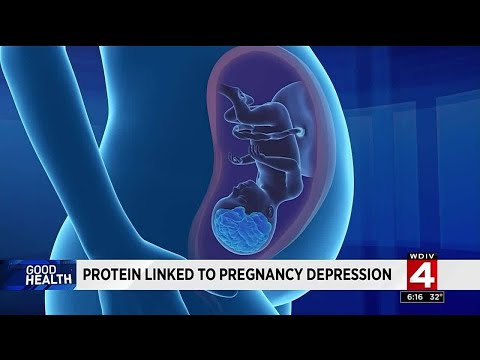
So, you’re pregnant—huge news, right? But what if underneath all the excitement, you’re feeling kinda down? It’s wild to think that depression can sneak in during this special time.
The first trimester is a rollercoaster of hormones and emotions. And let’s be real: it can get overwhelming fast. You’re not alone if you’re struggling with feelings you didn’t expect.
Many expecting mothers face this challenge, but it’s not talked about enough. Seriously, it gets brushed aside like an old magazine. The thing is, navigating through first trimester depression is tough, but there’s hope and support out there.
Let’s chat about it. We can figure this out together!
Understanding First Trimester Depression: Causes and Coping Strategies
Depression during the first trimester of pregnancy can feel like a cloud hanging over you when you should be feeling excited, right? It’s a tough spot to be in. You’re navigating new hormones, fatigue, and often a ton of worry about the future. Let’s break it down.
First up, what causes this kind of depression? Well, it’s not really one thing. Hormonal changes are a big player here. Your body is going through crazy shifts as it prepares for this new little life. These hormonal swings can mess with your mood, sometimes leading to feelings of sadness or anxiety that seem to come out of nowhere.
Then there’s emotional stress. Pregnancy is a huge transition! Maybe you’re worried about how your life will change, finances, or even whether you’ll be a good parent. All these thoughts can pile up and feel overwhelming.
And let’s not forget physical symptoms. Morning sickness (which should really be called all-day sickness sometimes) and exhaustion can drain your energy and make it harder to cope with emotional stressors. It’s like trying to run a marathon while carrying extra weight—it’s super tough.
So how do you cope with all this? Here are some strategies:
- Talk to someone. Don’t bottle it up! Sharing how you feel with your partner, friends, or family can lighten the load.
- Consider therapy. A therapist trained in perinatal mental health can help you work through these feelings without judgment.
- Practice self-care. Seriously, take time for yourself. Whether that means soaking in the tub or just binge-watching your favorite show—do what makes you feel good.
- Stay active. Gentle exercise like walking or prenatal yoga can boost your mood and energy levels while helping your body adjust.
- Avoid isolation. You might feel like curling up and hiding away; resist that urge! Connecting with other expecting mothers can make all the difference—find local groups or online forums.
Remember when Sarah shared her story? She was super excited about becoming a mom but felt so low during her first trimester that she couldn’t even enjoy the experience. After talking to her doctor and getting support from friends who had babies, she began finding joy again in little moments—like picking out baby clothes or feeling those first flutters.
If things feel heavy like they won’t lift, know you’re not alone; reaching out is key. First trimester depression isn’t something you have to face by yourself—there’s help out there waiting for you!
Navigating Depression During Pregnancy: Effective Strategies for Emotional Well-Being
So, let’s talk about navigating depression during pregnancy, especially in that tricky first trimester. You know, it’s a time packed with excitement and changes, but it can also feel overwhelming. Seriously, if you’re feeling low or anxious during this period, you’re not alone.
First off, let’s break it down. Hormonal shifts are a major player here. Your body is going through a lot—like more than you might realize! Those ups and downs in hormones can mess with your mood big time. It’s like riding a roller coaster that you didn’t sign up for.
And then there’s the pressure of being pregnant. Expectations from family, friends, and even from yourself can pile on the stress. Some may expect you to be glowing 24/7 while secretly what you’re really feeling is anything but that!
Here are some effective strategies to help with emotional well-being during this time:
- Talk it out. Seriously—open up to someone you trust. Whether it’s your partner, a friend, or even a therapist, sharing how you’re feeling can lighten the load.
- Stay active. I get it—if all you want is to curl up on the couch with ice cream (no judgment!), but moving your body can seriously boost those feel-good chemicals. Even short walks can make a difference.
- Practice self-care. Carve out time for yourself amidst all that baby planning. It could be as simple as indulging in a warm bath or reading that book you’ve been meaning to dive into.
- Create a support system. Connect with other expecting moms who might be experiencing similar feelings. Online forums or local groups can help you feel less isolated.
- Acknowledge your feelings. It’s okay to not feel overjoyed all the time! Accepting where you are emotionally means you’re taking care of yourself rather than pushing those feelings away.
A few years ago, my friend Sarah had her baby during one of the most stressful times in her life. She struggled big time in her first trimester—it was tough for her to find joy amidst anxiety about becoming a mom while dealing with personal issues. But she found strength by reaching out; therapy became her grounding point and served as an outlet for everything she felt overwhelmed by.
If things start feeling too heavy and overwhelming—like if sadness never lifts or if daily tasks seem impossible—don’t hesitate to reach out for professional help. Mental health professionals understand pregnancy-related mood disorders and can provide tailored support just for you.
The key takeaway? Be gentle with yourself through this journey! You’re doing something incredible even when it’s hard to see past the clouds of doubt or sadness.
The Impact of Maternal Depression During Pregnancy on Infant Development
Maternal depression during pregnancy is a topic that’s crucial but often overlooked. It can seriously affect not just the mom, but also her little one. Like, it’s a big deal.
When a mom experiences depression in her first trimester, it can shape the entire pregnancy journey. You might be thinking, «How does that affect the baby?» Well, there are several ways this plays out.
First off, when a mother feels depressed, the baby can sense it. Even though they’re cozy in their womb cocoon, babies are pretty tuned into their moms’ emotions. Stress hormones like cortisol can cross over to the fetus. This can lead to various outcomes—more anxiety and behavioral issues as they grow up.
Now let’s break down some key points:
- Brain Development: Studies show that high levels of maternal stress may impact brain development in infants. This could lead to cognitive challenges later on.
- Physical Growth: Maternal depression has been linked to lower birth weight and preterm birth. These factors can set up some health hurdles down the line.
- Emotional Bonding: If a mom is depressed, she might struggle with bonding during those early months after birth too. It’s like a ripple effect; if she’s not feeling connected, her baby might feel it.
There was this one case I came across—like really touching—of a woman named Sarah (not her real name). During her first trimester, she went through severe depression without knowing she was pregnant. She felt isolated and overwhelmed when symptoms hit hard after she found out. The emotional distance created some bonding issues when her baby arrived; luckily, with therapy and support from friends and family, things gradually got better.
So what can be done? It’s important for expecting moms to get help if they’re feeling down or overwhelmed. Here’s where support becomes essential:
- Therapy: Talking things through with someone who gets it can work wonders.
- Medication: Sometimes medication under healthcare guidance is necessary; nothing wrong with making sure both mom and baby are healthy.
- Support Circles: Friends or family who understand make a world of difference!
In short, addressing maternal depression is vital for both lives involved—the mom and the child need care and attention alike! And while it’s tough beginning this journey when you’re feeling low, reaching out for help is the first step towards brighter days ahead!
You know, pregnancy can be this wild mix of joy and stress. The first trimester, especially, can feel like a rollercoaster. You’ve got the excitement of bringing new life into the world, but then there’s this whole wave of emotions that can hit hard—like depression. It’s kind of surprising because you’d think everyone would just be over the moon, right? But not so much.
Imagine being in the middle of all those hormonal changes while also trying to figure out your new reality. I remember talking to a friend who was pregnant for the first time. She had this idea that she’d be glowing and full of energy, but instead, she felt heavy and sad. It was like her world just went gray overnight. She struggled with feelings of isolation too; even when people were around her, it felt like no one really understood what she was grappling with.
The thing is, first trimester depression is more common than we realize. Those early weeks can bring a lot—nausea, fatigue, mood swings—and on top of that? It’s easy to start feeling overwhelmed or lost in it all. You might feel guilty for not being as happy as you thought you’d be or worry about how these feelings will affect your baby.
Coping isn’t one-size-fits-all either. Some folks find comfort in talking it out with a trusted friend or family member, while others lean on mental health professionals for support—it really depends on what feels right for you. And honestly? Sometimes simple things help too—like taking a walk outside or finding little moments to breathe and relax amidst the chaos.
So if you’re navigating through this tricky patch or know someone who is, it’s super important to remind them (or yourself) that feeling this way doesn’t mean you’re a bad mom or ungrateful for your pregnancy. Emotions are complex; they don’t always play by our rules! Reaching out can make a difference and help bring back some color into those gray days ahead.