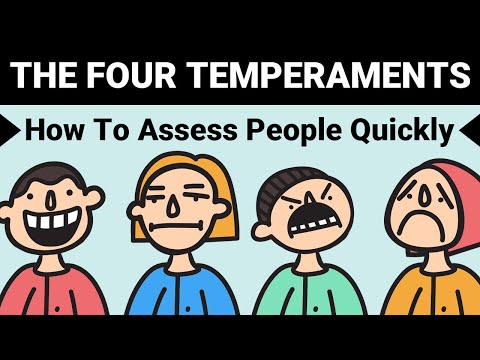
You know how we all have our quirks and ways of seeing the world? Well, that’s where the Fisher Temperament Inventory comes in. It’s like a tool to help us understand ourselves a bit better.
Think about it. We all have different vibes and personalities, right? Some of us are more chill, while others are super high-energy. That’s totally cool! But sometimes those differences can throw us for a loop when it comes to our mental health.
The thing is, knowing your temperament can really change the game. It’s not just about fun quizzes or personality types; it’s about understanding what makes you tick. So, let’s dig into how this whole thing works and why it matters for your mental well-being.
Understanding the 4 Personality Types According to Helen Fisher: Discover Your Unique Traits
Understanding the 4 Personality Types According to Helen Fisher can really change how you look at yourself and others. Fisher’s work, especially her *Fisher Temperament Inventory*, helps categorize personality traits into four main types. These aren’t just labels; they’re a window into how we interact with the world.
1. Explorer: This type is all about adventure and excitement. Explorers are often curious, spontaneous, and love new experiences. They thrive on change and are generally open-minded. Imagine someone who’s always ready to try that new restaurant or take a spontaneous trip. That’s your classic Explorer!
2. Builder: Builders are more structured and dependable. They value stability and like to create a sense of order in their lives. Think of them as the planners who enjoy routine—making lists, following schedules, you know? A Builder might be someone who finds joy in setting up a cozy home environment or planning family gatherings.
3. Director: If you’re someone who likes making decisions and taking charge, you might be a Director. These folks are confident leaders who appreciate efficiency and results. For example, they’re often the ones managing projects at work or leading teams because they naturally want to get things done.
4. Negotiator: Negotiators are more attuned to emotions and relationships. They thrive on empathy and cooperation, often seeing things from multiple perspectives. You might recognize them as the peacemakers among friends or family—always trying to resolve conflicts through understanding.
So why does this matter for mental health? Well, understanding these personality types can lead to greater self-awareness and improve how you relate to others. Maybe you’re an Explorer feeling stuck in a routine job filled with Builders; recognizing this can prompt you to seek out opportunities for growth or change.
And let me tell you—knowing your personality type can also shed light on your emotional reactions! For instance, if you’re a Director facing unexpected challenges, that might trigger stress due to your desire for control.
In therapy settings, these insights can help guide discussions between clients and therapists too! Recognizing these traits means therapy can be tailored based on what resonates with your personality type.
Overall, Helen Fisher’s model doesn’t just box us into categories—it opens doors for deeper conversations about our behaviors, preferences, and ultimately our mental health journeys. So whether you’re identifying as one type or finding a mix of traits within yourself, it’s all about learning more about who you truly are!
Exploring the Impact of Temperament on Mental Health: Understanding Your Inner Self
So, let’s chat about temperament and mental health. You know, the way we naturally respond to the world around us can really shape how we feel and handle life’s ups and downs. It’s kind of like our personality’s foundation, which influences our thoughts, behaviors, and emotions. One way to think about this is through the **Fisher Temperament Inventory**.
The Fisher Temperament Inventory categorizes people into four main types: **Sanctuary, Artisan, Guardian,** and **Idealist**. Each of these styles comes with its strengths and challenges.
Sanctuary types are known for their nurturing qualities. They tend to be sensitive and compassionate. You might find them pouring their hearts into caring for others or creating a warm environment. But sometimes, they can feel overwhelmed by others’ emotions. It’s like being a sponge; they soak up feelings from everyone around them.
Then there are Artisan types. These folks are creative and spontaneous! They thrive on excitement and hands-on experiences. Picture someone who loves trying new things or pursuing artistic projects on a whim! However, they may struggle with routines or deadlines because they crave that thrill of novelty.
Next up are the Guardian types. These individuals are reliable, responsible, and detail-oriented. Imagine someone who meticulously plans events or manages finances like a pro! On the flip side, they might find it hard to adapt when things don’t go as planned because structure is their safe zone.
Lastly, we have Idealist types. They value authenticity and connection deeply. If you know someone who’s always striving for personal growth or championing social causes, that might be an Idealist in your life! Yet sometimes they can become too idealistic or sensitive when faced with conflict or criticism.
Now let’s think about how these temperamental traits impact your mental health:
- Self-awareness: Knowing your temperament can give you insight into how you react under stress.
- Coping strategies: Different temperaments often need different approaches for managing anxiety or depression.
- Relationships: Understanding yourself helps improve interactions with others; some temperaments mesh better than others.
- Career choices: Your temperament can guide you toward jobs that align with your natural strengths.
Here’s a quick story to illustrate this: Imagine Sarah—a Guardian type—who lands her dream job as an event planner but soon finds herself stressed out by constant changes from her clients. She starts feeling anxious because she thrives on structure but feels pressure to be flexible. By recognizing her temperament traits through something like the Fisher inventory, she learns to set boundaries while still delivering quality work without burning out.
Overall, understanding your temperament isn’t just a fun personality quiz; it actually gives you tools to navigate life better! When you know your inner self better—you gain clarity on what makes you tick emotionally. Plus it opens the door for healthier relationships too!
Understanding the Fisher Temperament Inventory: A Comprehensive Guide
The Fisher Temperament Inventory, or FTI, is one of those cool tools people use to get a better handle on themselves and understand their behaviors. It breaks down four main temperament types that can help paint a picture of how you interact with the world and others. Let’s break it down a bit.
First off, what are these temperaments? The FTI categorizes people into four basic types:
- Idealists: These folks are often creative and value deep connections. They tend to be sensitive and empathetic.
- Rationals: Think of them as the problem-solvers. They love to analyze and strategize but might come off as cold sometimes.
- Artisans: Often spontaneous and fun-loving, artisans are all about experiencing life to the fullest.
- SJ or Guardians: Reliable and organized, these individuals like structure and tradition in their lives.
Each type has its own unique strengths and weaknesses. For example, an Idealist may excel in emotional intelligence but struggle with practical matters. A Rational might be great at critical thinking but could miss out on key social interactions.
You might be asking yourself why this matters for mental health. Well, understanding your temperament can seriously enhance self-awareness. When you know your natural tendencies—like if you’re more artistic or analytical—you can better navigate relationships, work situations, and even personal challenges.
An interesting point about this inventory: it’s not just about labeling people but understanding the different ways they operate under stress or in social settings. For example, an Artisan might react to stress by seeking quick distractions or adventures rather than confronting issues directly, while a Guardian may double down on routines to feel secure.
Another thing is that knowing your temperament type helps in therapy or counseling situations too! Imagine you’re talking to a therapist who gets that you’re an Idealist—your sessions could focus more on emotional processing rather than just practical solutions.
The downside? Some critics say these inventories might oversimplify human behavior. People aren’t just one type; they can exhibit traits from different temperaments depending on circumstances. That’s part of our complexity!
If you’re considering taking the Fisher Temperament Inventory, just keep in mind it’s mainly meant for insight rather than judgment. You don’t have to fit neatly into any box—it’s more about exploring aspects of yourself that you maybe haven’t noticed before.
So yeah, understanding the Fisher Temperament Inventory gives you valuable insights into how you tick—both in day-to-day life and when challenges arise. It opens up pathways for deeper self-reflection which is super important for mental health!
You know, when we talk about personality and how it shapes our lives, the Fisher Temperament Inventory (FTI) pops up sometimes. It’s interesting because this tool classifies people into four main temperaments: the Artisan, the Guardian, the Idealist, and the Rational. Each of these types has its own unique strengths and weaknesses, which can totally affect how you handle stuff in life, including your mental health.
I remember a friend who identified as an Idealist—she was always striving for harmony and understanding in her relationships. But dealing with conflict really drained her energy. Once, we had a big argument over something silly. She burst into tears because it felt like a threat to her values. That moment made me realize how our temperaments can intensify emotional experiences or even make us feel more vulnerable.
The cool thing about the FTI is that it gives you a framework to understand why you or someone else might react a certain way in challenging situations. For instance, Artisans might thrive on spontaneity but struggle to commit emotionally when things get tough—something that can be hard on mental well-being.
But here’s where it gets really important: knowing your temperament can be incredibly empowering. When you see patterns in how you respond to stress or relationships based on your type, it opens doors for self-awareness and growth. You might find that your temperament explains why therapy feels easier or harder for you or why certain coping strategies work better than others.
Plus, exploring these traits with a therapist can be super beneficial! They might help you tailor coping mechanisms to fit your temperament better so that you’re not just going through motions but are genuinely finding what works for YOU.
So yeah, while it’s not the only piece of the mental health puzzle by any means, understanding where you fit in with something like the Fisher Temperament Inventory could seriously enhance your journey toward better emotional well-being. After all, learning about ourselves is half the battle in managing our mental health effectively!