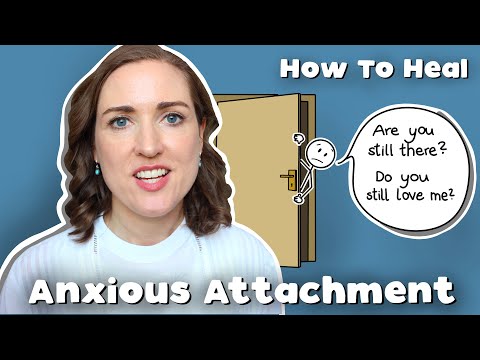
You know that feeling when you’re always worried about being abandoned? Like, no matter how many reassurances you get, there’s still this gnawing fear in your gut? Yeah, that’s what it feels like to have an anxious attachment style.
It can mess with your relationships in ways you don’t even realize. You might find yourself constantly seeking approval or feeling jealous over little things. It’s exhausting! And you’re not alone; a lot of people struggle with this.
But here’s the deal: healing is totally possible. Seriously. It takes time and some effort, but if you’re willing to look at it, things can shift for the better. Imagine feeling secure and relaxed in your relationships. Sounds nice, huh?
So stick around; we’re gonna chat about ways to tackle that anxious attachment style and build healthier connections. Let’s get into it!
Transform Your Relationships: Effective Strategies to Overcome Anxious Attachment
So, let’s talk about anxious attachment. If you’ve got this style, you might find yourself feeling a bit on edge in your relationships. It’s like having this constant worry that people will leave you or that they don’t care as much as you do. You know, that nagging feeling in your gut? Yeah, it can be exhausting.
Anxious attachment often stems from early experiences where caregivers weren’t consistently available. Maybe they were loving one moment and distant the next. You start to think, “Wait, how do I make sure they won’t leave?” This can lead to clinginess or fear of abandonment in your adult relationships.
So, what can you do? Here are some strategies that might help:
- Self-awareness is key. Take note of your feelings and reactions in relationships. Are you overly sensitive to texts or calls? Recognizing these patterns can help you understand yourself better.
- Communicate openly. Instead of bottling up feelings, chat with your partner about what you’re feeling. For instance, saying something like “I feel anxious when I don’t hear from you” can make all the difference.
- Practice self-soothing techniques. When anxiety kicks in, find ways to calm yourself down—deep breathing, meditation, or even just stepping outside for a minute. Seriously, a little fresh air does wonders.
- Challenge negative thoughts. Pay attention to those nasty thoughts that pop up when you’re feeling insecure. Like if your partner doesn’t text back right away and you think they must be mad at you—challenge that! Remind yourself it might just be busy at work.
- Create healthy boundaries. It’s okay to have space and not feel the need to constantly reassure each other. Boundaries help both partners feel safe and respected.
Think about Sarah—a friend who always seemed on edge in her relationship because she worried her boyfriend would leave her for someone better. After realizing she had an anxious attachment style, she started journaling her feelings instead of bottling them up. Over time, she became more open with her boyfriend about her fears—it made such a difference! Their relationship improved because he could understand where she was coming from.
Another thing to keep in mind: therapy can be super helpful too. Talking things out with someone trained can give you insight into how your past affects your current relationships. Plus, it’s a great space to learn new coping strategies.
Also consider building secure attachments over time by surrounding yourself with people who are good for your mental health—friends who support you and partners who communicate well are gold!
Engaging though those patterns won’t happen overnight; it takes time and patience—like building muscle at the gym! But with consistent efforts toward healing those anxious tendencies, transforming how you relate to others is totally within reach.
So remember: being aware of your anxious attachment style is a huge first step! Use these strategies to create deeper connections based on trust and understanding instead of fear and anxiety—it’ll change the game for sure!
Thriving Together: Navigating Relationships with Anxious Attachment for Better Partnership
Navigating relationships when you have an anxious attachment style can feel like walking a tightrope. You want connection, but it often feels overwhelming. Life with anxiety can make you crave closeness while constantly worrying if your partner is going to leave or reject you. It’s a tricky balance, you know?
Anxious attachment usually develops in childhood due to inconsistent care from parents or caregivers. One minute they’re there, showering you with love; the next, they’re distant. This inconsistency can lead to intense fear of abandonment and overwhelming need for reassurance in adult relationships.
When you’re in a partnership, that anxious attachment can lead to some patterns that aren’t super healthy. For instance:
- You might find yourself texting your partner a ton when they’re late, feeling a wave of panic.
- You may need frequent affirmation of their feelings towards you.
- Sometimes, you could misinterpret their actions or words as signs they’re losing interest.
These feelings can strain relationships fast. Imagine being on a date and feeling great until your partner checks their phone. Your mind races—do they not care? Are they bored? You spiral into that anxious space where everything feels wrong.
But guess what? You can work on healing these patterns! Here are some steps to consider:
- Recognize your triggers: Start paying attention to what specifically sets off your anxiety in relationships.
- Communicate: Share your feelings and fears with your partner rather than bottling them up.
- Create safety: Build trust through consistency. Show up for each other reliably.
- Practice self-soothing: Find activities or techniques that calm you when anxiety hits, like deep breathing or journaling.
Let’s say you’re at home waiting for a text back from your significant other. The minutes tick by as the worry bubbles up inside you—it’s almost unbearable! Instead of spiraling down that rabbit hole, take a breath and remind yourself: it’s okay not to immediately get a response; they’re probably busy.
Building secure attachments isn’t about flipping a switch—it takes time and patience. It’s about understanding yourself, owning those emotions, and learning how to express them without fear. So chat openly with your partner about what you’re feeling; chances are they’ll want to help make things more stable.
When you’re both aware of how anxious attachment plays out in the relationship, it becomes easier to create an environment where both of you feel safer and more secure. Remember: you’re not alone, and growth is totally possible! Embrace the journey—every little step counts toward thriving together!
Understanding the Most Challenging Attachment Style in Dating: Insights and Strategies
Okay, so let’s talk about attachment styles, particularly the anxious attachment style, and how it can really shake things up when you’re dating. If you find yourself feeling super clingy or always worried about your partner’s feelings, you might be dealing with this style.
Anxious attachment often comes from inconsistent caregiving in childhood. Maybe your parents were there one minute but absent the next. This creates a sense of insecurity in relationships because as an adult, you start craving that constant reassurance. You know what I mean? It’s like being on a rollercoaster that never stops.
When it comes to dating, people with an anxious attachment style might seem over-the-top sometimes. You could feel like you’re always asking if your partner still loves you or if they’re going to ghost you after a fight. That nagging anxiety is exhausting! Here are some key points that might hit home:
- Constant Fear of Abandonment: You might panic over little things, like how long they’re taking to reply to a text. Silly? Not at all! Your mind can run wild.
- Need for Reassurance: You probably find yourself fishing for compliments or needing that verbal reminder of love more frequently than others.
- Overthinking: A simple misunderstanding turns into a full-blown disaster in your head.
- Difficulties with Boundaries: Personal space may become a struggle; being too close feels comforting but can also push partners away.
So how do you manage all this during dating? It’s tough but totally doable!
Self-awareness is huge! Recognizing your triggers can help tons. Like, if you notice you’re spiraling into worry mode over something small, take a step back and breathe. Remind yourself it’s probably not as bad as it seems.
Communicating openly with your partner is essential too. Seriously! Let them know what you’re feeling without going overboard. For instance, saying something like “I just need some reassurance right now” can open the door to deeper discussions without making it all about drama.
Another effective strategy is practicing mindfulness. Grounding exercises or even breathing techniques can help calm those racing thoughts when anxiety kicks in. I remember my friend who would just pause and focus on her breath during tense moments—a game changer for her!
Lastly, consider therapy. It might sound cliché, but talking it out with someone trained can provide valuable insights and coping strategies that fit your personal style.
There’s no quick fix here; healing takes time. But hey—acknowledging where you’re at is already half the battle won! As hard as it gets sometimes, developing healthier relationships is absolutely possible with patience and effort. Just remember: it’s a journey worth taking!
You know, when it comes to relationships, some folks just seem to click right away, while others feel like they’re always on rocky ground. A lot of it comes down to attachment styles, you feel me? If you’ve ever found yourself anxious in a relationship—like constantly worried about your partner’s feelings or whether they’ll bail on you—then you might have an anxious attachment style.
I remember a friend of mine who was always stressing over her boyfriend’s texts. If he didn’t reply within a few minutes, she’d spiral into these wild thoughts: «Maybe he doesn’t like me anymore,» or «What if he’s cheating?» It was exhausting just listening to her anxiety grow. Everything felt so intense for her because she believed that love and security could vanish in an instant.
Healing that kind of anxious attachment isn’t a walk in the park, but it’s definitely possible. First off, recognizing that pattern is like shining a flashlight on the dark corners of your mind. Once you see those habits—like needing constant reassurance or overthinking everything—you can start working on them.
Therapy can be super helpful here. You get to unpack your childhood experiences and how they shape your current fears. Maybe you learned early on that love was conditional, which led to those anxious tendencies. Talking things through with someone can help rewire those old beliefs into something healthier.
And it’s not only about being in therapy; it’s also about building trust with yourself and others. Like, try practicing self-soothing techniques when anxiety kicks in. Just taking deep breaths or grounding yourself in the moment can do wonders! Or how about journaling? It opens up so many pathways for understanding what triggers that anxiety in relationships.
Communicating with your partner is huge too! Instead of bottling up all those feelings and worries, try sharing them gently—like “Hey, I sometimes feel insecure when we don’t talk for a while.” It takes vulnerability, but real connection thrives on honesty.
Ultimately, it’s about shifting from fear to security—not just for yourself but also for the people you care about. That way, relationships can transform from feeling like a tightrope walk into something more stable and fulfilling. Over time, as those anxious patterns start fading away and are replaced by trust and understanding? That’s when real healing happens!