You know that feeling when life throws you a curveball? Like, one minute you’re cruising along, and the next, bam! Change is staring you in the face.
It’s tough, isn’t it? But what if I told you embracing that flexibility could actually boost your mental health?
Seriously! It’s all about rolling with the punches and adapting to whatever comes your way.
Sometimes we cling to routines like they’re life rafts. But being flexible can open up possibilities we never even considered.
Let’s chat about how adjusting our mindset can lead to better emotional outcomes. Sound good?
Embracing Flexibility: A Guide to Enhancing Mental Health Outcomes
Embracing flexibility in your daily life can really change the game for your mental health. It’s like when you’re trying to assemble furniture with no instructions—sometimes you’ve got to improvise! Mental health is a bit like that too; it thrives on adaptability and being open to change.
What does flexibility mean? Basically, it’s about being able to adjust your thoughts, behaviors, and emotions in the face of life’s ups and downs. When you’re flexible, you’re less likely to feel stuck or overwhelmed by stress. You know how sometimes things don’t go as planned? Instead of panicking, a flexible mindset lets you go with the flow.
Why is this important? Well, adhering too rigidly to plans or expectations can lead to anxiety. You might feel pressure to meet certain standards or timelines that just aren’t realistic. Flexibility encourages a more compassionate approach toward yourself and others.
Here are some ways embracing flexibility can enhance your mental health:
- Adaptability: Life throws curveballs—whether it’s a job loss or a relationship shift. Being adaptable helps you cope better.
- Reduced Stress: When things change unexpectedly, those who are flexible tend to experience less stress because they are ready for anything.
- Improved Relationships: Flexibility fosters understanding and compromise in relationships. Everyone has different needs; being open helps everyone feel heard.
- Better Problem-Solving Skills: When you’re open to different solutions, you’re more likely to find what works best instead of getting stuck on one idea.
Let me tell you about my friend Jake. He always had his life mapped out: graduate from college, land a job at a top firm, get married by 30. But when he didn’t get that dream job right after graduation, he spiraled into frustration and anxiety. However, he decided to try something different—he took up freelance work instead while exploring his passions outside of work.
You wouldn’t believe the difference it made! Jake became more relaxed and started meeting new people along the way. That flexibility not only eased his anxiety but also led him to discover interests he’d never known about before.
A few practical tips? Alright!
- Create a “Plan B”: Always have an alternative route in mind for any project or goal.
- PRACTICE Mindfulness: This helps ground you when things feel chaotic and boosts your ability to adapt.
- Acknowledge Your Feelings: It’s okay if something doesn’t go as planned; give yourself permission to feel upset but then shift gears!
So basically, being flexible isn’t just about “going with the flow.” It’s also about respecting your emotions while still aiming for progress—even if that means changing direction now and then.
Embracing this mindset lets you live with less pressure and more joy! You don’t always have control over what happens in life—but how you respond? That’s totally up to you! Stay curious and keep exploring new paths; your mental health will thank you for it!
Embracing Flexibility: Unlocking Improved Mental Health Outcomes and Well-Being
Embracing flexibility in your life can really change the game when it comes to mental health. It’s all about adapting, rolling with the punches, and finding a way to make life work for you—even when things get tough.
Life is always throwing curveballs. You know how plans sometimes go sideways? Well, being flexible helps you handle those moments better. Instead of stressing out or feeling defeated when faced with surprises—like an unexpected job loss or a sudden change in your routine—you can learn to adjust and move forward. It’s kinda like doing yoga; you gotta stretch a bit to avoid getting stuck.
So what does flexibility look like in real life? Here are some key points:
- Adaptability: This is huge. If you can shift your plans or expectations without freaking out, you’re ahead of the game.
- Open-mindedness: Seriously, consider new ideas or ways of doing things. Sometimes the old way just doesn’t cut it anymore.
- Resilience: This is about bouncing back after tough times. The more flexible you are, the easier it is to recover.
- Self-compassion: Be kind to yourself when things don’t go as planned! Flexibility also means recognizing that you’re human and it’s okay not to be perfect.
- A willingness to learn: Each experience teaches you something. Being flexible lets you embrace lessons instead of resisting them.
I remember a friend who was always stressed about her job. She was rigid about her routine—same coffee shop, same route, same everything. But one day she missed her train and had to find another way home. Instead of panicking, she took a scenic route she’d never tried before. She discovered this beautiful park! Now she takes that detour regularly because it makes her happy. Can you believe that? Just by being open to change, she improved her mental health!
It’s also worth mentioning that flexibility ties into your relationships too. Friends come and go; life changes people around us constantly. If you’re stuck on one particular version of how things should be—like expecting a friend always to support every decision or act just how you’d want—you might be setting yourself up for disappointment.
Flexibility helps build healthier connections because it means accepting others as they are—and adapting your expectations accordingly! It creates space for understanding and growth rather than conflict.
Now let’s not forget about therapy—many therapeutic approaches really embrace flexibility as well! Techniques like Cognitive Behavioral Therapy (CBT) help you reframe negative thoughts by encouraging alternatives perspectives. So if something doesn’t work out how you’d hoped? You reframe it and find new ways forward instead of beating yourself up over it.
In short, improving your mental health often centers on how well you’re able to adapt and embrace changes around you. Life isn’t static; it’s fluid—and so should be your approach towards it! So the next time something goes awry, remember my friend with her missed train; maybe there’s a hidden park waiting for you too!
Unlocking Psychological Flexibility: Free PDF Guide for Enhanced Mental Well-being
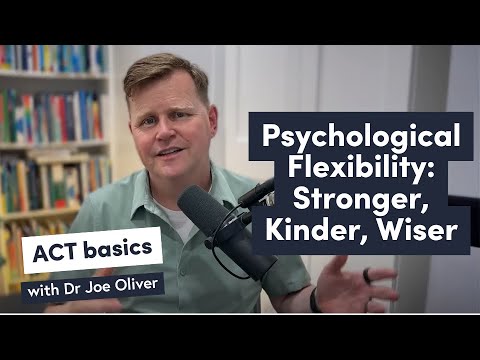
So, psychological flexibility—what’s that all about? It’s basically your ability to adapt your thinking and behavior in response to different situations. You know, life can throw some pretty unexpected stuff your way. And being flexible means you can roll with the punches instead of feeling stuck or overwhelmed.
Why is this important? Well, people who are more psychologically flexible tend to cope better with stress, build healthier relationships, and even have better physical health. Imagine a tree in the wind: it bends and sways instead of breaking. That’s what flexibility can do for your mind!
Here are a few key points about psychological flexibility:
- Embracing emotions: Instead of pushing feelings away or trying to ignore them, acknowledge and accept what you’re going through. Think of it like letting the rain fall instead of trying to stop it from coming.
- Staying present: Focus on what’s happening right now rather than getting lost in worries about the past or future. Mindfulness practices, like deep breathing or meditation, can help ground you.
- Shifting perspectives: When faced with a challenge, try viewing it from different angles. Maybe you could even see it as an opportunity rather than just a problem!
- Avoiding rigid thinking: This is about not getting stuck in “all-or-nothing” thoughts. Instead of thinking “I always fail,” try “Sometimes I struggle, but I can learn from this.”
Flexibility isn’t just for yoga classes! One time, a friend of mine faced a huge career setback—lost his job unexpectedly. At first, he felt lost and anxious. But then he started applying those flexible thinking skills; he took a deep breath and said to himself that this could be an opportunity for something better. Like magic, he began exploring new paths and eventually ended up in a role he loved even more than before.
Another thing? Psychological flexibility connects closely with Acceptance and Commitment Therapy (ACT). ACT focuses on accepting your thoughts and feelings while still committing to actions that align with your values. It’s like learning how to surf those waves of emotions instead of drowning in them.
To really dive into enhancing this skill set—and there are lots of guides out there—you might find PDFs or resources specifically designed for boosting psychological flexibility super helpful! Many educational materials explain how to practice these techniques step by step.
Just keep in mind: becoming more adaptable takes time—and that’s totally okay! Allow yourself grace as you practice these new strategies.
In short, psychological flexibility helps you tackle life better by accepting feelings, staying present, shifting perspectives, and avoiding rigid mindsets. So the next time life throws some curveballs at you (and trust me it will), remember: bend but don’t break!
You know, life can throw us all kinds of curveballs, and honestly, we can’t always predict how things are gonna go. Some days feel like an uphill battle while others seem almost too easy. That’s where flexibility comes into play, right? It’s kind of like when you’re trying to fit into your favorite jeans after the holidays—sometimes you gotta adjust a bit and be okay with that.
Think about a time when your plans went totally sideways. Maybe you were set for a fun night out with friends, but then one of them canceled last minute. It might’ve stung at first. But what if, instead of sulking, you decided to embrace the change? You could spend that time cozying up with a good book or catching up on that show everyone’s raving about. Flexibility can open new doors!
Being flexible isn’t just nice; it actually helps us deal with stress better. When we cling too tightly to our plans or expectations, it can lead to frustration and anxiety—like gripping the wheel so hard during a road trip that your arms start to ache! By allowing ourselves to roll with the punches and adapt to what life throws our way, we reduce that mental strain.
I remember this one time when everything felt overwhelming at work. Deadlines were looming, and I was stressed out just thinking about it. So instead of powering through my usual routine like a robot, I took a step back and asked myself what I really needed at that moment. Turns out, some breaks throughout the day made all the difference. A short walk or even just switching tasks for a bit helped clear my mind.
And let’s be real: being flexible doesn’t mean being wishy-washy or indecisive; it’s more about knowing when to bend so you don’t break. It’s understanding that life will rarely stick to our script—and guess what? That’s totally okay! The more we accept this notion, the better we can navigate our emotional landscape.
So yeah, embracing flexibility is basically like giving yourself permission to adjust your sails rather than fighting against the wind. Life feels lighter, more manageable—it creates space for growth and self-discovery too! And who doesn’t want that?