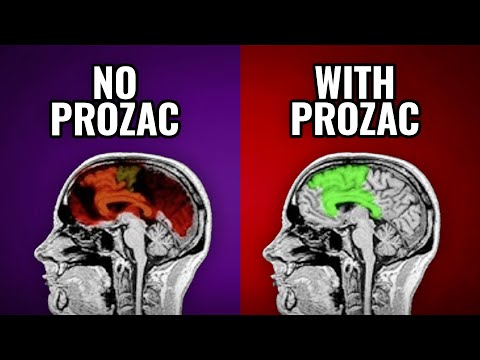
So, let’s chat about fluoxetine. You know, that little pill people often take to help with anxiety or depression? It’s pretty common nowadays. But here’s the deal: while it can really help lift some folks up, it doesn’t come without its quirks.
Seriously, side effects can sometimes feel like a rollercoaster ride. One minute you’re feeling good, and the next… well, not so much. Ever had that moment where you thought you were gaining superpowers but ended up feeling more human than ever?
It’s wild how something meant to help can sometimes mess with your head in unexpected ways. Let’s break down those side effects and see how they might shape your mental health journey. Sound good?
Understanding Allergic Reactions to Fluoxetine: Symptoms, Causes, and What You Need to Know
So, fluoxetine, which is commonly prescribed for depression and anxiety, can sometimes cause allergic reactions in folks. It’s essential to get a grip on what those reactions look like, why they might happen, and what steps to take if you experience them.
First off, let’s talk about **allergic reactions**. Basically, when your body sees fluoxetine as a threat instead of a helping hand, it can react in weird ways. Most allergies involve the immune system going a bit haywire. Here are some of the symptoms you might notice:
- Skin rash: This could be anything from hives to more severe rashes.
- Itching: If you’re suddenly itching all over or in specific areas for no good reason, it might be linked.
- Swelling: You might see swelling in your face, lips, or throat. That could definitely be a red flag.
- Breathing difficulties: If you find it hard to breathe or feel tightness in your chest—call someone immediately!
- Gastrointestinal issues: Nausea or vomiting could also pop up as an allergic response.
Now onto **why** this happens. Allergic reactions to medications like fluoxetine aren’t super common but can occur due to the way your immune system reacts to the drug’s components. Some people develop allergies after taking a medication for the first time, while others might have taken it without issue for ages before suddenly reacting.
What’s wild is that reactions differ from person to person! One person’s mild rash could be another’s life-threatening situation. You may think you’re fine until one day things change without warning.
When someone has an allergic reaction—especially more severe symptoms—it’s crucial to act fast. If you’re experiencing any of those symptoms mentioned earlier after starting fluoxetine:
1. **Contact your doctor**: They need to know what’s going on ASAP.
2. **Don’t stop taking fluoxetine suddenly**: That can lead to withdrawal effects or worsened mental health symptoms.
3. **Seek emergency care**: If breathing gets difficult or you’re having severe swelling.
Lastly, keep an eye on how you feel overall while on any medication like this one. Fluoxetine does its thing by leveling out mood swings and aiding well-being, but side effects can definitely play into that picture too.
So there it is! Allergic reactions to fluoxetine are something you need to take seriously. Listen to your body and communicate with healthcare providers if something feels off!
Prozac and Emotional Blunting: Understanding the Impact on Your Feelings
So, let’s talk about Prozac, or fluoxetine if you’re feeling fancy. It’s one of the most commonly prescribed antidepressants out there. People often take it for depression, anxiety, and sometimes even for obsessive-compulsive disorder. But here’s where it gets a bit tricky. While some folks find it super helpful, others report a side effect called emotional blunting.
What does that mean? Well, emotional blunting is when you feel like your emotions are dulled down or muted. You might still experience some feelings but they can feel less intense. It’s kind of like watching a movie without sound. You see what’s happening, but it doesn’t really hit you in the gut emotionally.
And it’s not just about feeling numb to sadness or anger; people often describe it as not being able to enjoy happy moments either. Think about that time when your friend threw a surprise party for you—it was supposed to be joyous! But instead of feeling excited and loved, you kinda just felt…whatever.
Here are some key points about emotional blunting with Prozac:
- How common is it? Emotional blunting isn’t something everyone experiences on Prozac, but it’s something more than just a few people have mentioned.
- Why does it happen? The idea is that Prozac works on serotonin levels in your brain. While balancing serotonin can help lift depression, it might also tone down feelings.
- Duration matters. Some people notice these effects go away after a while—like after your body adjusts.
- Treatment tweaks: If emotional blunting becomes an issue for you—definitely talk to your doc! Sometimes changing meds or adjusting doses can make a huge difference.
It’s important to know that everyone reacts differently to medications. What’s fine for one person might not work the same way for another. If you’re thinking about starting Prozac or currently on it and dealing with these feelings, be open and chat with your healthcare provider.
Sometimes the benefits outweigh the downsides—for example, if managing crippling anxiety allows you to function better day-to-day even with some emotional dulling.
But like anything in mental health, it’s all part of figuring out what works best for *you*. So just remember: staying informed and connected with someone who gets what you’re going through can make all the difference in navigating this journey!
Understanding Fluoxetine Side Effects in Women: What You Need to Know
Fluoxetine, often known by its brand name Prozac, is a common medication used to treat depression, anxiety, and other mental health conditions. It belongs to a family of drugs called selective serotonin reuptake inhibitors (SSRIs). Now, when it comes to women who take fluoxetine, there are some side effects you might wanna know about. Like any other medication, it’s not all sunshine and rainbows.
First off, one of the most frequent side effects is **nausea**. A lot of people experience this when they first start taking fluoxetine. It can feel like that awful pit in your stomach you get when you’re anxious or stressed out.
Also, don’t be surprised if you notice some **changes in your appetite**. Some women find themselves feeling less hungry or losing weight at first. However, others might actually feel hungrier and gain weight. It’s kind of a mixed bag.
Then we have **sleep disturbances**—this can mean trouble falling asleep or staying asleep, while some women feel more sleepy during the day. So if you’re trying to hit that perfect snooze cycle, fluoxetine might mess with it a bit.
Another thing to consider is its impact on **sexual function**. Some women report experiencing issues like decreased libido or difficulty reaching orgasm. This can be frustrating and really take a toll on relationships if not talked about openly.
Now let’s talk about **mood changes**, which can seem totally counterintuitive for an antidepressant! You might find yourself feeling more anxious or irritable at times. It’s super important to keep an eye on these feelings and communicate them to your doctor because they can develop into something bigger.
Weight gain isn’t uncommon in the longer term either; just be aware that fluoxetine might contribute to this over time for some individuals.
But here’s an interesting twist: **menstrual cycle changes** can happen too! Some women experience irregular periods or changes in their cycle once they start taking fluoxetine.
Lastly, don’t forget about how individuals react differently based on their overall health and any other medications they may be taking. It’s crucial to keep the lines of communication open with your healthcare provider throughout your treatment journey because they know your health history best—and after all, everyone is different!
If you’re ever feeling overwhelmed by side effects or if you think they might outweigh the benefits of taking fluoxetine—reach out! Your medical professional is there for guidance and support as you navigate through all this stuff.
So, let’s chat a bit about fluoxetine, which is a type of antidepressant that falls under the category of selective serotonin reuptake inhibitors (yeah, that’s a mouthful). A lot of folks take it to help tackle issues like depression or anxiety. But while it can be super beneficial for many, there’s also this other side—side effects. And honestly, those can sometimes feel like a wild rollercoaster ride.
Take my friend Max, for example. He started taking fluoxetine after struggling with really tough bouts of sadness. At first, things seemed to improve—he felt lighter and more optimistic. But then he started experiencing some side effects that really threw him for a loop. It was like he went from being on cloud nine one moment to feeling nauseous and jittery the next. It wasn’t just physically uncomfortable; it messed with his head too. He found himself more anxious about feeling anxious!
So here’s the deal: common side effects can include nausea, insomnia, fatigue, and even sexual dysfunction. Those might sound kinda mild if you just glance at them but imagine trying to cope with your mental health while dealing with all that additional discomfort! Like, if your brain is finally starting to get better but your body is giving you a hard time—what gives? It’s frustrating!
This whole situation makes you think about how intertwined our bodies and brains are—you know? You can’t just treat one without considering how it might impact the other. That said though, many people find that these side effects lessen over time or are manageable enough not to derail their progress completely.
But there’s definitely no one-size-fits-all when it comes to medication. Some folks might sail through fluoxetine with hardly any hiccups, while others face storms of side effects. If you’re considering it or currently on it—communication is key! Talk to your doctor about what you’re feeling because there might be ways to tweak things or look into alternatives.
At the end of the day, mental health isn’t just about popping pills—it’s about finding balance and what works best for you as a whole person, body and mind included!