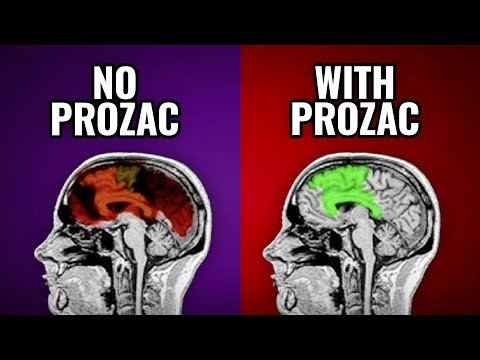
Hey, you know that feeling when something’s just a little off? Like, maybe you’ve been taking a new medication and suddenly your heart’s doing the cha-cha when it should be chilling?
Well, fluoxetine, the go-to antidepressant for so many people, can stir up some unexpected cardiac side effects. Yeah, seriously!
It’s not that common, but it can happen. Understanding how this stuff works is super important for anyone dealing with mental health issues.
So let’s break down what fluoxetine can do to your heart—and how we can keep it all in check. Because knowing what’s up just makes things a bit easier, right?
Exploring the Cardiac Side Effects of Fluoxetine: What You Need to Know
Fluoxetine, better known as Prozac, is an antidepressant that falls under the category of selective serotonin reuptake inhibitors (SSRIs). It’s primarily used to treat depression, anxiety disorders, and some other mood-related issues. But here’s the thing—like any medication, it can have side effects, and some might affect your heart. Let’s dig into this topic.
Cardiac Side Effects Explained
The most commonly discussed cardiac side effects of fluoxetine are a change in heart rate and potential effects on blood pressure. While these aren’t super common for everyone taking the medication, they’re worth understanding.
One of the notable issues is **QT prolongation**. It’s a fancy term that refers to an abnormality in the heart’s electrical activity. This can happen with certain medications, including fluoxetine. It might not mean much at first glance, but it can lead to serious heart rhythm problems. You know—like feeling your heart race or having palpitations.
Another side effect could be **increased heart rate** or tachycardia. Imagine feeling like your heart is pounding when you’re just sitting around doing nothing. Sometimes it can be unsettling; it can make you feel anxious or even dizzy.
Risk Factors You Should Know
Now, certain people may be more susceptible to these cardiac issues when on fluoxetine:
- Existing Heart Conditions: If you’ve got pre-existing conditions like arrhythmia or coronary artery disease.
- Age: Older adults tend to have a higher risk for complications.
- Other Medications: Mixing fluoxetine with certain other drugs can exacerbate these risks.
If you’ve had any history of heart problems or are taking other medications—like antiarrhythmics—you really want to have a chat with your doctor about this beforehand.
The Importance of Monitoring
It’s crucial to monitor how you feel when starting a new medication like fluoxetine. Your doctor might recommend regular check-ups for assessing both mental health and any potential cardiac side effects. They may also suggest getting an EKG if there are concerns about your heart rate.
Also, don’t hesitate to speak up if you start noticing anything strange—like unusually rapid heartbeat or chest discomfort! That kind of stuff needs attention stat!
Final Thoughts
In summary, fluoxetine may bring some cardiac side effects along with its intended benefits for mental health. While serious issues aren’t overly common, they do happen—and being aware of them is essential for safely navigating your treatment plan. You deserve to feel good both mentally and physically!
So remember: communicate openly with your healthcare provider and advocate for yourself regarding any symptoms that come up while on fluoxetine or any medication really!
The Safest SSRIs: A Comprehensive Guide to Selective Serotonin Reuptake Inhibitors
When you think about SSRIs (Selective Serotonin Reuptake Inhibitors), it’s like grabbing a tool to help manage your mood. They focus on serotonin, a chemical in the brain that plays a big role in how we feel. But not all SSRIs are created equal, and you might be wondering which ones are considered safer, especially when it comes to things like heart health.
Fluoxetine, one of the most commonly prescribed SSRIs, is often at the center of conversations about safety. Some folks worry about cardiac side effects when taking it. So, let’s break down what you need to know.
First off, it’s important to realize that while SSRIs are usually well-tolerated, they can still have side effects. Here’s what to keep in mind:
- Heart Health: Studies have shown that fluoxetine is generally safe for people with existing heart conditions. However, regular check-ups can be super helpful if you’re concerned.
- Dosage Matters: The dose you take can also affect side effects. Sometimes starting with a lower dose can minimize risks.
- Individual Variability: Everyone’s body reacts differently. What works perfectly for one person might not be great for another.
- Monitor Symptoms: It’s essential to watch for any unusual symptoms—like increased heart rate or palpitations—and share these with your doctor.
You know, I had a friend who started taking fluoxetine and was terrified about her heart acting up. She talked to her doctor about it and they set up regular check-ins just to ease her mind, which really helped her feel more secure while adjusting.
Now let’s chat briefly about other SSRIs that come into play when we’re discussing safety:
- Citalopram: This one’s been studied and has some limitations regarding heart health at higher doses.
- Escitalopram: Often viewed as gentler on the system; it has fewer cardiac warnings.
- Sertraline: Another popular choice that’s generally safe but still requires monitoring for those with heart issues.
It’s crucial to remember that while SSRIs can be very effective in treating depression and anxiety, they aren’t without their quirks and potential risks. The best course of action? Always work closely with a healthcare provider who understands your specific health needs.
And don’t forget—lifestyle factors like diet and exercise also play into how well your body handles these medications. Staying active or even just keeping an eye on what you’re eating makes a difference.
In short, if you’re considering an SSRI like fluoxetine or others, take comfort in knowing there are options available that fit well within safety guidelines for most people—even those worried about their heart health!
Exploring the Link Between Antidepressants and Depersonalization/Derealization: What You Need to Know
Antidepressants like fluoxetine can sometimes lead you down a rabbit hole of unexpected side effects, including feelings like depersonalization and derealization. These experiences can be really disorienting, making you feel detached from yourself or the world around you. So, let’s break this down a bit.
Depersonalization is when you feel disconnected from your own thoughts or body. It’s as if you’re watching yourself in a movie. On the other hand, derealization gives you a sense that your surroundings aren’t real, like everything’s a bit foggy or dreamlike. Pretty unsettling stuff, huh?
Now, not everyone taking antidepressants will experience these symptoms. But some folks do report them, and it raises questions about how these meds are working—or not working—in their brains.
You see, antidepressants like fluoxetine increase levels of serotonin in the brain. This usually helps with depression but can also mess with how we perceive reality. Imagine your brain’s wiring getting tangled; it’s no wonder some might feel off-kilter.
There have been studies pointing to this link between antidepressant use and instances of depersonalization/derealization. These experiences could stem from changes in neurotransmitters or even psychological factors during treatment. But it’s important to note that everyone’s journey is unique—what one person experiences could be totally different for another.
Let’s shift gears for a second and talk about cardiac side effects. Fluoxetine isn’t typically known for causing heart problems; still, any medication can have unexpected consequences when mixing with other health conditions or medications. Have you ever been prescribed something that just didn’t sit right? That can happen here too.
People with pre-existing heart conditions should be especially cautious when taking fluoxetine or similar antidepressants because changes in heart rhythm might occur in rare cases. If you’re ever unsure about how new meds might interact with your body or mental state, don’t hesitate to chat with your doc.
To wrap this up:
- Depersonalization and derealization can occur as side effects of antidepressants.
- This disconnect may relate to alterations in brain chemistry.
- Caution is key! Always share your full medical history with healthcare providers.
- If you experience these sensations while on meds, reach out for support—you’re not alone in this!
So if anything feels off while you’re on an antidepressant—like feeling strangely disconnected—make sure to talk it out. Your mental health journey is important!
Fluoxetine, which you might know as Prozac, is one of those antidepressants that people often turn to when they’re feeling low. It helps a lot of folks manage depression and anxiety. However, it’s really important to talk about some potential side effects, especially when it comes to heart health.
I remember a friend of mine named Jake. He was dealing with some heavy stuff—things like stress at work and a recent breakup. After he started taking fluoxetine, he felt more himself again—less anxious and more open to life. But then, out of the blue, he mentioned this weird fluttering in his chest. Turns out, fluoxetine can sometimes affect heart rhythm.
Now, don’t get me wrong; not everyone who takes fluoxetine experiences these effects. But for some folks—especially if they’ve got pre-existing heart conditions or are taking other medications—this can be something to watch closely. It’s like you think you’re finally getting help for your mental health, and then there’s this added layer of worry about your heart.
What happens is that fluoxetine can sometimes lead to a condition called QT prolongation. This is basically when your heart takes longer than normal to recharge between beats. If you’re feeling dizzy or having palpitations while on this med, it’s crucial to talk to your doctor about it.
Having a chat with a healthcare provider about the risks versus benefits is super important here. You want your mental health meds to help you thrive without adding another layer of stress or health issues on top of everything else you’re already facing.
So yeah, in the end, while fluoxetine can be a lifesaver for many people battling depression or anxiety, it’s smart to keep an eye on how it’s affecting your body overall—in every way possible. Jake did consult his doctor after noticing those symptoms and switched things up a bit with his treatment plan—and now he’s doing great again! It’s always about balancing the good with the potential side effects so you can feel your best all around!