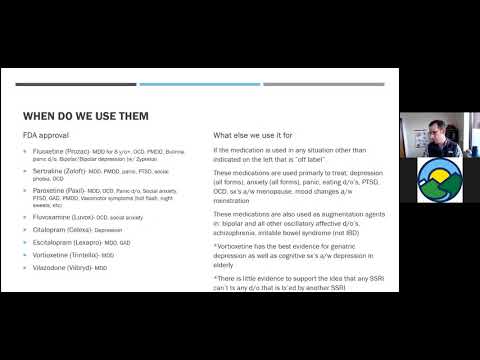
Okay, so let’s chat about fluoxetine. You know, that little pill that some folks take for anxiety?
It’s not just any ol’ medication; it can really shake things up in a good way.
Like, imagine feeling less overwhelmed by everyday stuff—sounds nice, right?
But, fluoxetine isn’t the answer for everyone.
There’s a lot to consider when you talk about managing anxiety disorders.
So, grab a comfy seat—let’s break it down together!
Understanding How Fluoxetine Alleviates Anxiety: A Comprehensive Guide
Fluoxetine, commonly known by its brand name Prozac, is a medication that many people take to deal with anxiety. You may have heard about it or even know someone who uses it. Basically, it’s part of a class of drugs called SSRIs—Selective Serotonin Reuptake Inhibitors. So, what does that mean for you and your anxiety?
How Fluoxetine Works
When you’re feeling anxious, your brain chemistry can get a little out of whack. This often involves serotonin, a chemical that helps regulate mood. What fluoxetine does is pretty interesting: it blocks the reabsorption (or reuptake) of serotonin in your brain. This means there’s more serotonin hanging around to work its magic on your mood.
If you’ve ever felt like you’re stuck in a loop of worrying thoughts, adding more serotonin can help break that cycle. By boosting this neurotransmitter’s presence in your brain, fluoxetine helps promote feelings of well-being and calmness.
Common Anxiety Disorders Treated
Fluoxetine isn’t just for one type of anxiety; it’s used for several conditions:
Think about Sarah. She used to dread speaking up at meetings because her heart would race and her palms would sweat. After starting fluoxetine, she noticed she could participate without feeling completely overwhelmed by anxiety.
Onset and Effects
So, how soon will you notice the effects? Well, it’s not instant magic. You might need to wait like 4 to 6 weeks before noticing any real changes. This can feel frustrating when you just wanna feel better right away! But patience is key here.
As the medication does its thing over time, many find that their overall stress levels decrease and they can tackle daily tasks with less dread.
Side Effects
Like any medication, fluoxetine comes with potential side effects—but don’t worry! Not everyone experiences them. Some common ones include:
Most people find these side effects are manageable or disappear as their body adjusts to the medication.
A Final Note
While fluoxetine can be helpful for many folks dealing with anxiety disorders, it’s important to remember that everyone’s experience with medications is unique. What works wonders for one person might not be the right fit for another.
Don’t hesitate to talk openly with your healthcare provider about what you’re feeling—both good and bad—so they can help tailor a treatment plan just for you!
Understanding Fluoxetine Side Effects: What You Need to Know for Better Mental Health
Fluoxetine, also known as Prozac, is a medication often prescribed to help with anxiety disorders. It’s part of a group called SSRIs, or selective serotonin reuptake inhibitors. These meds work by increasing the levels of serotonin in your brain—serotonin is this happy chemical that can really lift your mood and help with anxiety.
Now, let’s talk about side effects. Every medication has them, and understanding them can make things a whole lot easier for you. First off, not everyone experiences side effects from fluoxetine. It’s pretty common for some people to take it without any issues at all. But if you do have side effects, you might notice some of these:
- Nausea: This one pops up for many folks when they start taking fluoxetine.
- Headaches: They could become a bit more frequent or intense.
- Fatigue: Some people feel super tired when they first start; it usually wears off.
- Sleep changes: You might find it hard to fall asleep or experience vivid dreams.
- Sexual side effects: Things like decreased libido can happen; just something to keep in mind.
Those are the common ones. But sometimes, you might also come across less frequent but serious effects like suicidal thoughts—especially in younger people—so it’s super important to stay connected with your doctor.
You know how when you’re trying on new shoes? Sometimes they fit great right away; other times they need breaking in before they’re comfortable. That’s kind of the deal with fluoxetine too. Some folks adjust quickly, while others might need a little more time—or even a dosage adjustment.
It’s worth noting that fluoxetine can interact with other medications and supplements you might be taking. For example, if you’re on blood thinners or certain painkillers, give your doctor a shout before mixing things.
If you start feeling any weird stuff after taking fluoxetine, don’t hesitate to reach out to your healthcare provider. They’re there to help sort through what’s going on and figure out if fluoxetine is right for you.
Also, switching up dosage without talking to your doc isn’t the way to go either! Just remember: keeping an open line of communication will help ensure you’re getting the most from treatment while minimizing any uncomfortable bumps along the way.
In short, fluoxetine can be a powerful ally in managing anxiety disorders but watch out for those side effects. Knowledge is power here—all about keeping tabs on how it affects you personally!
Understanding Fluoxetine: A Comprehensive Guide to Its Effectiveness for Anxiety Relief
Fluoxetine, commonly known as Prozac, is a medication that’s often used to treat various mental health conditions. You know, it’s like a tool in the toolbox for managing anxiety disorders. Understanding how it works can be super helpful if you or someone you care about is dealing with anxiety.
What Is Fluoxetine?
Fluoxetine belongs to a class of medications called selective serotonin reuptake inhibitors (SSRIs). So, here’s the thing: SSRIs are designed to increase levels of serotonin in the brain. Serotonin is often called the “happy chemical” because it helps regulate mood, anxiety, and overall well-being. Pretty neat, huh?
When you take fluoxetine, it blocks the reabsorption of serotonin back into the neurons in your brain. This leads to more serotonin available to boost your mood and reduce anxiety symptoms.
How Effective Is It for Anxiety?
Well, studies have shown that fluoxetine can be effective for various types of anxiety disorders. That includes conditions like social anxiety disorder, obsessive-compulsive disorder (OCD), and generalized anxiety disorder (GAD). In fact, many people report feeling more like themselves after starting this medication.
Some may notice improvements within a few weeks! Others might take a bit longer—maybe six to eight weeks—to really feel the full effects. And seriously, it’s crucial to stay in touch with your doctor during this time because they can help adjust dosages or explore other options if needed.
Potential Side Effects
Like all medications, fluoxetine comes with potential side effects. Common ones include nausea, headaches, insomnia or drowsiness—like your body trying to figure out what’s happening. It might take some time for your body to adjust.
Some people might experience changes in appetite or weight too; for example, some gain weight while others lose weight. It’s really individual! And don’t forget about those occasional feelings of jitteriness or restlessness—totally normal when you’re starting something new.
Long-Term Use
Using fluoxetine long-term can be safe for many folks; however, always keep communication open with your healthcare provider. They’ll monitor you for any side effects and change medications if necessary.
There’s also something called **discontinuation syndrome** if you stop taking it suddenly without medical guidance—which basically means you could have withdrawal-like symptoms such as dizziness or irritability. The best approach is always tapering off under supervision!
The Bottom Line
In short? Fluoxetine can be an effective option for managing anxiety disorders due to its ability to boost serotonin levels in the brain. But remember—it isn’t magic! Finding the right dosage and being aware of potential side effects are part of the journey towards finding relief from anxiety.
If you’re considering fluoxetine or any other medication for anxiety relief—or know someone who is—it’s essential to chat openly with a doctor or mental health professional about all this stuff before jumping into anything!
So, let’s chat about fluoxetine, yeah? It’s one of those medications in the big family of SSRIs, which stands for selective serotonin reuptake inhibitors. Sounds fancy, but what it really does is help balance out this chemical called serotonin in your brain. And why does that matter? Well, because serotonin plays a huge role in your mood and anxiety levels.
I remember a friend of mine named Jake. He was struggling with anxiety that made him second-guess every little decision he had to make. You know how it goes—like ordering food or even just texting someone first. It was hard to watch him beat himself up over those things. After some conversations and encouraging him to talk to a pro, he ended up starting on fluoxetine.
Now, don’t get me wrong; it wasn’t a magic pill that fixed everything overnight. But over time, he started feeling a bit more at ease. Little by little, he began to regain some confidence and felt less burdened by anxiety when facing everyday situations.
But here’s the kicker: while fluoxetine can be super helpful for some folks dealing with anxiety disorders like generalized anxiety disorder or social anxiety disorder, it’s not the only solution out there. It works best when combined with therapy or lifestyle changes—like exercise and mindfulness practices.
Still, it’s fascinating how something as simple as adjusting brain chemistry can make such a difference in someone’s life. For Jake, swapping out those non-stop anxious thoughts for clearer ones was like lifting a weight off his shoulders. And while not everyone will react the same way to fluoxetine—the side effects can vary widely—it definitely showed me how important it is to find the right treatment plan tailored just for you.
At the end of the day, if you’re dealing with anxiety and feeling overwhelmed by all the options—and I totally get that—having an open discussion with your healthcare provider can really pave the way toward finding what works best for you personally. It’s all about taking steps towards feeling better!