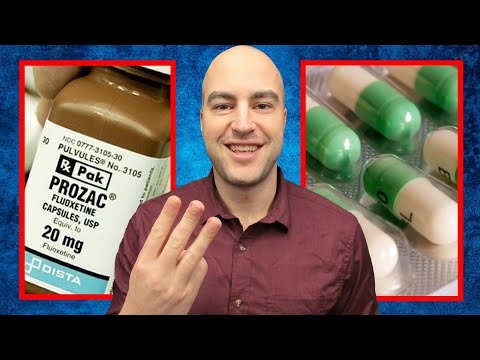
So, you know how sometimes your heart feels like it’s racing, even when you’re just chilling on the couch? Yeah, that can be super unsettling.
Well, if you’re on fluoxetine—an antidepressant that helps a lot of folks with depression and anxiety—you might experience heart palpitations now and then. It’s kind of one of those things that catches you off guard.
But what’s the deal with it? Is it something to worry about, or just one of those quirks of being on meds? We’ll unpack it all and get into some important stuff to think about. So grab a comfy seat; let’s chat!
Understanding the Link Between Prozac and Heart Palpitations: What You Need to Know
Alright, so let’s talk about *Prozac*—or fluoxetine, if you wanna get all fancy with the names. It’s a common antidepressant that many people use to manage depression and anxiety. But there’s something that can get overlooked sometimes, and that’s the link between Prozac and heart palpitations. It might sound a bit scary, but let’s break it down.
When you take Prozac, it affects your brain chemistry. Basically, it’s helping balance out serotonin levels. That’s great for your mood, but it can also have effects on your heart rate. Some folks might experience heart palpitations while on this medication.
What are heart palpitations? Well, it’s when your heart feels like it’s racing or fluttering. You know those moments when you feel like your heart might just leap out of your chest? Yeah, that’s what we’re talking about here.
So why does this happen? There are a few reasons:
- Side Effects: Prozac can sometimes lead to side effects like increased anxiety or agitation in some people—and guess what? Anxiety often makes you more aware of your heartbeat.
- Caffeine and Stimulants: If you’ve had that triple shot espresso while taking Prozac, well… caffeine can also cause those palpitations.
- Dosage: Sometimes it’s the dosage too; starting with a higher dose can ramp up those feelings in some individuals.
But here’s the good news: for many people, these palpitations are harmless and often fade over time as their bodies adjust to the medication.
Let me share a quick story here—I had a friend who started taking Prozac after struggling with depression for months. He felt amazing at first! But then one night he was watching TV and suddenly felt his heart racing like he’d just run a marathon. Naturally, he freaked out a bit at first. But after chatting with his doctor, they realized it was just one of those side effects that tend to mellow out as he got used to the medication.
If you’re feeling those flutters or thumps regularly while on Prozac—or any med really—it’s seriously important to talk to your healthcare provider about it. They might adjust the dose or even try something else if needed.
The bottom line? While some may experience heart palpitations on Prozac, they’re usually not dangerous and tend to settle down over time. Just keep an open line of communication with your doctor—that’s key!
So remember: you’re not alone in this journey! Meds can be tricky business sometimes, but understanding how they work (and what they do) is a big part of feeling better overall.
Exploring the Connection Between Fluoxetine and PVCs: What You Need to Know
Alright, let’s break this down. You might be curious about the connection between fluoxetine, a common antidepressant, and PVCs, or premature ventricular contractions. These are basically that annoying feeling when your heart skips a beat. They can be unsettling, but they aren’t usually dangerous.
First off, fluoxetine is mainly used to treat conditions like depression and anxiety. It works by balancing chemicals in your brain, particularly serotonin. Now, serotonin affects not just your mood but also various bodily functions—including heart rhythm.
Now about those PVCs: these are extra heartbeats originating from the ventricles of your heart. Most of the time, they’re harmless and may come and go without any serious issues. However, some people notice more PVCs when they start taking fluoxetine or other SSRIs (selective serotonin reuptake inhibitors).
- Side Effects: Fluoxetine can cause side effects like anxiety or restlessness in some users. This can lead to heightened awareness of your heartbeat. You might feel every little bump in the road.
- Withdrawal Symptoms: If you’ve recently stopped taking fluoxetine, you could experience withdrawal symptoms that might also affect your heart rhythm.
- General Anxiety: Sometimes, just being anxious about your health—especially if you have a history of heart problems—can increase feelings of palpitations.
A friend of mine once mentioned how he started feeling PVCs after getting on meds for anxiety. At first, he freaked out because he thought something was seriously wrong with his heart. After chatting with his doctor and doing some tests, they discovered it was just anxiety combined with medication side effects.
If you’re experiencing troublesome PVCs while on fluoxetine—or any medication—it’s super important to talk to your healthcare provider. They can help sort through what’s going on and whether adjustments need to be made.
The takeaway? Fluoxetine might indirectly contribute to a feeling of more frequent palpitations for some people due to anxiety or side effects rather than directly causing them. But hey, everyone reacts differently! So it’s always best to keep an open line with your doctor about what you’re feeling.
Your mental health matters as much as physical health does! Don’t hesitate to reach out if something feels off—your peace of mind is worth it.
Exploring the Connection: Can Prozac Trigger Atrial Fibrillation?
So, you’re curious about whether Prozac, or fluoxetine, could mess with your heart rhythm and maybe even cause atrial fibrillation? It’s a pretty important question, especially if you’re considering starting this medication. Let’s break it down.
First off, Prozac is in a class of drugs called selective serotonin reuptake inhibitors (SSRIs). They’re mainly used to treat depression and anxiety. While they can be super helpful for mental health, what happens when they mix with the heart?
Now, heart palpitations can be a side effect of many medications, including SSRIs like Prozac. When people talk about heart palpitations, they usually mean feeling your heart racing or fluttering. Atrial fibrillation (AFib) is a bit different; it’s an irregular heartbeat that can lead to more serious issues like blood clots and stroke.
There’s not a ton of research explicitly linking Prozac to atrial fibrillation directly. Still, some studies suggest that SSRIs might influence heart rhythms, mainly due to their impact on neurotransmitters that can affect the autonomic nervous system. This system controls involuntary bodily functions—like your heartbeat.
To really get the picture:
- Heart Rate Changes: Some folks report increased heart rate while on Prozac.
- Underlying Conditions: If you have pre-existing heart issues or conditions like hypertension, those factors are super important to consider.
- Dosage Matters: The dose of Prozac taken may also play a role in how it affects your body.
Anecdotal evidence points out that while few patients experience AFib directly linked to their SSRI use, it’s not impossible. I know someone who started taking Prozac for severe anxiety and soon after noticed her heart racing weirdly during workouts. It turned out her anxiety was mixing in with her body’s response to the medication—so complex interactions happen!
If you’re experiencing any unusual sensations in your chest or rhythms after starting Prozac—or any med—it’s totally crucial to talk to your doc about it. They can assess whether it’s related to the medication or something else entirely.
Lastly, remember that mental health treatments should focus on well-being holistically. If you think an SSRI is causing problems for you physically or mentally, seeking alternatives is totally okay! Your health always comes first.
So yeah, while there’s no clear-cut answer linking Prozac directly to atrial fibrillation for everyone out there trolling through meds like they’re candy at Halloween—understanding how these drugs interact with our bodies helps put some peace back into our minds and hearts alike!
So, heart palpitations, huh? You know, those moments when your heart races like you just sprinted up a hill? Well, let’s talk about fluoxetine, which is a common medication for anxiety and depression. A lot of folks rely on it and it can definitely help stabilize mood. But, there’s this interesting side of the story when we throw in those little heartbeat hiccups.
Imagine you’re sitting on the couch after a long day. You finally sit down to relax and then—bam! Your heart starts pounding like it’s running a marathon. It can be really scary! I remember my friend Sarah once told me how she felt her heart racing like crazy after starting fluoxetine. She was already dealing with anxiety, but then this added another layer of worry.
You see, fluoxetine belongs to a group of medications called SSRIs (Selective Serotonin Reuptake Inhibitors). They help boost serotonin levels in your brain, which is great for mood improvement but can sometimes mess with your body a bit too. Heart palpitations can happen because these meds affect various neurotransmitters and can influence the way your body reacts to stress.
Now, that doesn’t mean everyone will experience palpitations. Some people sail through treatment without any issues at all! But if you do start feeling that sudden fluttering or racing in your chest after beginning fluoxetine or adjusting your dose, it’s totally worth reaching out to your doctor.
They might need to tweak your dose or look into other factors like caffeine intake or stress levels. And let’s be honest here: when you’re dealing with mental health stuff, adding physical symptoms into the mix can feel overwhelming.
It’s all about balance and listening to what your body is trying to tell you. So if you find yourself feeling off-kilter while on fluoxetine—or really any medication—it’s okay to ask questions and seek support. Your mental health journey deserves careful navigation so you can feel your best overall!
Remember: it’s not just about treating anxiety or depression; it’s also about how you feel physically while doing it. Taking care of both aspects is super important for overall well-being. Seriously!