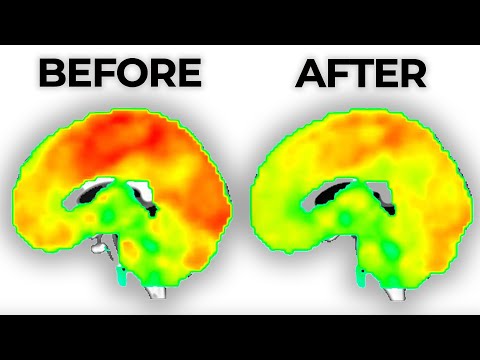
You know, when it comes to antidepressants, fluoxetine is one of those names you hear a lot. Like, it’s been around forever. Some people swear by it, while others have concerns.
So, what’s the deal with long-term use? Is it all sunshine and rainbows, or are there some clouds hovering? Seriously, there’s this whole mix of experiences out there.
Some folks feel like they can finally breathe again after starting it. But then, you hear about side effects that make you go “ugh.” It’s a bit of a rollercoaster ride.
Let’s chat about what happens when people take fluoxetine for the long haul and how it shakes up their mental health. Spoiler alert: It’s not one-size-fits-all!
The Long-Term Effects of Fluoxetine: Understanding the Impacts of Extended Use
Fluoxetine, which you might know by its brand name Prozac, is an antidepressant that’s been around for a while. It’s commonly used to treat depression, anxiety, and other mental health conditions. But what happens when you take it for a long time? Well, let’s break it down.
When you start taking fluoxetine, it helps increase the levels of serotonin in your brain. Serotonin is basically a mood booster. Lots of folks notice improvements in their mood and overall well-being within the first few weeks. However, the long-term effects can be a bit more complicated.
- Weight Changes: One common issue with extended fluoxetine use is weight gain or loss. Some people experience appetite changes that lead to significant shifts in their weight over time.
- Emotional Flattening: You might also hear about emotional blunting. This is where folks feel less intense emotions—like happiness or sadness—after being on fluoxetine for a while.
- Tapering Off: Stopping fluoxetine can sometimes lead to withdrawal symptoms like dizziness or irritability. That’s why it’s super important to work with your doctor when considering going off this medication.
- Long-Term Efficacy: Some studies suggest that while fluoxetine works well initially, its effectiveness can taper off after long-term use for some individuals.
You may wonder how these effects play out in real life. For example, let’s say you’ve been on fluoxetine for a few years. At first, everything felt great! You were managing stress at work better and even socializing more. But then maybe you started feeling less emotionally connected to your friends or even just kinda blah about things that used to excite you—like going out or hobbies you loved.
The key point here is that everyone’s experience varies so much! Some people manage just fine with long-term use and feel it’s truly beneficial; others might find themselves needing adjustments along the way. That’s totally normal! And remember: it’s crucial to communicate openly with your healthcare provider. They’re there to help navigate these changes!
Psychoeducation plays a vital role too; understanding how medications like fluoxetine function can empower you during treatment decisions. It helps paint a clearer picture of what taking these meds means for your mental health journey.
Your mental health isn’t just black and white—it’s all about finding what works best for YOU in the long run! So if you’re on fluoxetine or considering it, keep talking it out with someone who gets it—whether that’s friends, family, or your therapist!
Understanding SSRI Withdrawal: How Long for Your Brain to Return to Normal?
Alright, so let’s chat about SSRI withdrawal. This is a big topic, especially for folks who’ve been on medications like fluoxetine for a while.
First off, **what are SSRIs?** Well, selective serotonin reuptake inhibitors (SSRIs) are a type of antidepressant that help boost serotonin levels in your brain. They’re often prescribed to treat anxiety and depression. Sounds good, right? But then comes the tricky part—if you decide to stop taking them or your doctor pulls you off them.
Withdrawal symptoms can be a real rollercoaster. Some people might feel like they’ve been hit by a truck—physically and emotionally. Classic symptoms include brain zaps (crazy, right?), dizziness, fatigue, mood swings, and sometimes even flu-like symptoms. It’s not pretty.
So how long does this last? It really varies. Some folks bounce back in just a couple of weeks; others might take months before feeling “normal” again. This is because your brain needs time to recalibrate itself after relying on these meds for so long.
Here’s the thing: it’s not just about the time frame but also how long you’ve been using the medication and the dosage. If you’ve been on fluoxetine for years at a high dose, it may take longer for your brain chemistry to settle down.
When making changes to an SSRI regimen, it’s super important to do it under medical supervision. You don’t want to just cold turkey it because that can make withdrawal worse! Always taper down slowly instead of going off abruptly.
The question of when will your brain return to normal is tricky too. Your “normal” might change. What you felt before starting SSRIs may not be what you experience afterwards; sometimes people discover new aspects of their mental health or different challenges they need to face.
For some individuals, therapy can play a crucial role during this transition period too. Talking things out with someone who gets it can make navigating withdrawal feel less isolating and overwhelming.
Ultimately, everyone’s journey with SSRIs is unique. So whether you’re just thinking about stopping or are already dealing with withdrawal symptoms, know that patience and support are key players in this process.
Remember: if you’re feeling overwhelmed or confused about anything related to stopping SSRIs or any mental health concerns in general—reach out for help! It really does take a village sometimes.
Exploring the Impact of Prozac on Emotional Experience: Does It Dull Your Feelings?
So, let’s chat about Prozac, or as the cool kids call it, fluoxetine. You might know it as this popular antidepressant that’s been around for a while now. It’s like the trusty old car that keeps running. But there’s been some buzz around whether it, well, kind of dulls your feelings over time. Let’s unpack that a bit.
First off, Prozac is primarily used to treat depression and anxiety. It helps many people feel better by increasing levels of serotonin—a chemical in your brain that affects mood. Think of serotonin as a little cheerleader—it boosts your spirits and can help you feel more balanced. However, there’s a flip side to this, which we’ll get into later.
Now, when taking Prozac long-term, lots of folks report feeling more “stable.” They’re not crying over spilled milk or feeling overwhelmed by everyday stressors. That sounds great, right? But here comes the catch—some people say they feel less emotionally responsive overall. Like they’ve got a cushion between them and their feelings.
It’s important to note though that this doesn’t happen to everyone. Some might experience an emotional flatness or a blunting effect where things just don’t hit them like they used to—good or bad. For instance:
- You might find yourself laughing at jokes but not really feeling that joy.
- A heartwarming movie could leave you dry-eyed when in the past, you would’ve bawled your eyes out.
- Conversely, sad events might not hit you as hard; it’s like you’re watching life from the sidelines.
Now let’s talk about why this happens. One theory is related to how medication can affect the brain’s natural ability to process emotions. With increased serotonin levels from drugs like Prozac, sometimes certain emotional responses get muted because the body gets used to relying on the meds instead of its own natural chemistry.
But hey—there are also positives! Many people report a significant reduction in feelings of hopelessness and despair after starting Prozac. The key difference here is whether feeling less means “dulling” or “balancing” those emotions out.
It’s also super important to remember that everyone’s body reacts differently; what may feel like emotional numbness for one person could be sheer relief for another! Talk with your doctor, as they’ll be in the best position to guide you based on how you’re feeling personally.
For some people who experience those blunted emotions but still want help with their mental health issues, it might make sense to consider therapy along with their meds—basically addressing both sides of the equation: medication for balancing chemicals and therapy for working through those complex feelings.
In short, fluoxetine can have varied impacts on emotional experiences, depending on individuals’ unique circumstances and how long they’ve been using it. There isn’t a one-size-fits-all answer—just be sure you’re keeping an open conversation going with your healthcare provider about how you’re doing over time!
You know, when we talk about fluoxetine—or Prozac, as a lot of folks know it—it’s like we’re stepping into this huge pool of experiences. I mean, it’s one of those go-to antidepressants that a lot of doctors prescribe for things like depression and anxiety. But once you start thinking about long-term use, well, that’s where it gets interesting.
Picture this: You’re sitting in a café, thinking about how you felt before taking fluoxetine. The weight pressing down on your chest, the shadows over every little joy. That was me before I started taking it. But then, over time, things began to shift. My mood started to lighten; the fog lifted a bit! It was like someone turned up the brightness on my life.
But here’s the thing—although many people can benefit from being on fluoxetine for years without major issues (like I did), there are also folks who experience some not-so-great side effects after being on it for an extended period. Some have talked about feeling emotionally numb or maybe just not quite like themselves anymore. Imagine going from feeling all those intense emotions—the highs and lows— to just kind of existing in a flat state. That can be pretty rough.
And then there are concerns about withdrawal symptoms if someone decides to stop the medication after long-term use or if their doctor thinks it’s time to switch things up. I’ve heard stories of friends feeling dizzy or experiencing these weird brain zaps when they tried to come off it too quickly—not fun at all! It makes you think twice about how important gradual changes really are.
That said, fluoxetine works differently for everyone! Some might find their lives dramatically improved by sticking with it over the long haul; others may not feel as lucky and need additional support or different treatment options down the road. So basically, it’s super important to have open conversations with your doctor about how you’re feeling—like seriously important.
In the end, mental health is such a personal journey. Whether you’re battling through your days on fluoxetine or looking for alternatives completely—it’s all valid. You gotta find what works best for you and remember that there are options out there if things start feeling off-kilter along the way.