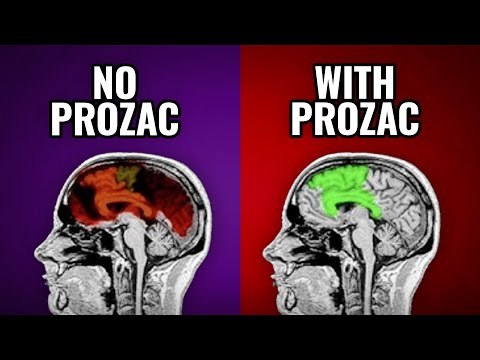
So, let’s talk about fluoxetine. You know, that antidepressant that a lot of people take? It can really help with depression and anxiety, but there’s a flip side too.
Especially for guys, it’s not all sunshine and rainbows. Some side effects can creep in and mess with your mental game in ways you might not expect.
Imagine feeling more anxious or even losing interest in things you used to love. Yeah, it can hit hard.
Let’s break down what these side effects look like for men and how they might affect mental health overall. Sound good? Cool!
Exploring the Mental Side Effects of Fluoxetine: What You Need to Know
Fluoxetine, commonly known as Prozac, is a medication that falls under the category of selective serotonin reuptake inhibitors (SSRIs). It’s primarily used to treat depression, anxiety disorders, and some other mental health conditions. But like any medication, it comes with its own set of potential side effects. And you might be wondering, what do the mental side effects look like, especially for guys?
First off, mood changes can be one of the more noticeable mental side effects. Some people report feeling more anxious or even experiencing sudden bursts of irritability after starting fluoxetine. It’s like you’re walking on a tightrope—one moment you’re feeling okay and the next you’re at your wit’s end over something minor.
Another thing to keep in mind is emotional numbing. This is when people find it tough to feel joy or sadness. Imagine watching your favorite movie that usually makes you tear up and… nothing. Just a flatline of emotions where you used to feel highs and lows. It’s unsettling.
Now let’s chat about insomnia or sleep disturbances. While some might fall asleep fine, others find themselves staring at the ceiling for hours. That restless feeling? Not great for your mental state over time; it can leave you groggy and cranky during the day.
Then there’s this weird one called derealization, where things might start feeling oddly unreal or dreamlike. Some guys describe this as being stuck in a bubble where they can see what’s happening around them but can’t quite connect with it emotionally or mentally. It can feel disorienting.
Also worth mentioning are sexual side effects. This isn’t just about physical stuff; it has serious implications for relationships and emotional intimacy too. Feeling less interested in sex or having difficulty reaching orgasm can weigh heavily on someone’s self-esteem and overall happiness.
And let me tell you a story that hits home here. A buddy of mine started taking fluoxetine after going through a tough breakup. At first, he thought it was helping him cope with everything—until he realized he just didn’t care about anything anymore, not even his favorite band’s new album release! Eventually, he had to talk to his doctor about adjusting his dosage because it was affecting how he connected with people around him.
So if any of these sounds familiar while you’re on fluoxetine (or considering it), definitely don’t just sit back and hope it’ll sort itself out! Talk to your healthcare provider—they’re there to help figure things out together.
In summary:
- Mood changes: Increased anxiety or irritability.
- Emotional numbing: Difficulty feeling joy or sadness.
- Insomnia: Trouble sleeping leads to daytime fatigue.
- Derealization: Feeling detached from reality.
- Sarcastically diminished libido: A drop in interest or sexual performance affecting relationships.
Understanding how fluoxetine may affect your mental state is super important for navigating through life while on this med. Be proactive about discussing any concerns with your doctor so they can support you best!
“Exploring the Effects of Fluoxetine on Men’s Mental Health: Benefits and Considerations”
Fluoxetine, often known by its brand name Prozac, is a popular medication primarily used to treat depression and anxiety. It falls into the category of selective serotonin reuptake inhibitors (SSRIs). Basically, SSRIs help increase serotonin levels in your brain. Serotonin is a neurotransmitter that plays a huge role in regulating mood. So, when things feel off, fluoxetine can step in to help.
Now, let’s talk about how this medication impacts men specifically. First off, many men report positive effects, such as improved mood and reduced anxiety levels after starting fluoxetine. You might notice better sleep patterns or increased motivation to tackle daily tasks. That’s pretty significant because feeling stuck can really bring you down.
But there are some considerations to keep in mind too. Like any medication, fluoxetine comes with potential side effects that can affect mental health:
So what happens if you’re facing these side effects? It’s important to communicate with your doctor about what you’re experiencing. They’re there to help find the right balance for you because everyone’s brain reacts differently.
Let’s look at an example here: I once knew a guy who started fluoxetine after struggling with severe depression for years. At first, he felt jittery and had some trouble with intimacy; it made him question whether this was worth it. But after adjusting the dose and giving it time—about six weeks—he began to feel more like himself again.
It’s not all sunshine and rainbows though; adjustments can take time and patience! Some guys end up switching medications if fluoxetine doesn’t suit them well enough or brings up too many hang-ups.
Mental health isn’t just about the chemical balance in our brains; emotional support from friends or therapy plays a huge role too. Engaging in conversations or sharing feelings with someone close can take away some of those lonely vibes during treatment.
In summary, while fluoxetine has shown promising benefits for many men dealing with mental health challenges—it’s essential to weigh those against potential side effects honestly. Open dialogue with healthcare providers is crucial as you navigate this journey toward better mental well-being!
Exploring the Dark Side of Fluoxetine: Risks and Side Effects You Should Know
Fluoxetine, commonly known as Prozac, is an antidepressant that falls under the selective serotonin reuptake inhibitor (SSRI) category. It’s prescribed for conditions like depression, anxiety, and obsessive-compulsive disorder. While it can be a game-changer for many, there are some dark sides you might want to know about.
First off, let’s talk about some of the common side effects. You may experience headaches, sleep disturbances, or digestive issues. These can feel pretty annoying but are often manageable for most people. But there’s more to it than just the usual suspects:
- Sexual Dysfunction: This is a big one for guys. Many men on fluoxetine report issues like reduced libido or difficulty achieving orgasm. Seriously, this can create tension in relationships and lead to feelings of inadequacy.
- Weight Changes: Some people notice weight gain over time while on fluoxetine. This happens because SSRIs can affect your appetite and metabolism differently.
- Anxiety or Agitation: Oddly enough, while fluoxetine helps many with anxiety, it can also heighten feelings of restlessness or nervousness in some cases. It’s like your body can’t decide what to feel!
Now let’s get into something deeper—how these side effects hit hard emotionally and mentally. Imagine you’re a guy struggling with depression; you finally seek help, and a doctor prescribes fluoxetine. At first, you might feel some relief from your low moods. But then you start experiencing sexual dysfunction on top of that initial battle—this could easily lead to frustration or despair.
And here’s an example: consider Mark—a fictional friend who dealt with serious depressive episodes but was thrilled when he got on fluoxetine after feeling “better” for months. Then came the *other* stuff—the weight gain and erectile dysfunction started wearing him down emotionally too. He felt trapped between trying to manage his depression and dealing with these new issues that made him feel less than himself.
On top of all this, there’s something called discontinuation syndrome. If you suddenly stop taking fluoxetine without consulting a doctor, you might find yourself facing withdrawal symptoms like dizziness or irritability—definitely not fun.
To wrap this up: while fluoxetine has shown immense potential in treating depression and anxiety Disorders for many men out there, it does come with risks and side effects that shouldn’t be overlooked. They can impact emotional well-being in ways that aren’t always obvious at first glance.
So if you’re considering this medication—or already on it—it’s crucial to have open conversations with your healthcare provider about any side effects you’re experiencing or anticipating. You deserve to feel good inside *and* out!
Okay, so let’s talk about fluoxetine, which is a pretty common antidepressant. It’s in the selective serotonin reuptake inhibitor (SSRI) family, if you wanna get all technical. A lot of guys take it to help with depression and anxiety, but there’s this whole other side to the story that doesn’t get as much airtime—side effects.
I remember a friend of mine who started taking fluoxetine. He was really hoping it would lift his mood and help him deal with these heavy feelings he was carrying around. At first, it seemed like a miracle drug; he was laughing more, even cracking jokes again! But then, things took a turn. He started mentioning some weird stuff: like his libido had taken a nosedive. And let me tell you, when you’re already feeling down, that can really hit hard.
So here’s the thing: fluoxetine can affect sexual health in guys—a lot of them experience decreased libido or even difficulties with erections. That really sucks and can make anyone feel pretty crummy about themselves, especially if relationships are involved. Imagine trying to connect with someone you care about only to feel like your body isn’t cooperating. It’s not just physical; it messes with your head too.
Some guys might brush off these issues or think they should just deal with it quietly—like it’s no big deal or something they should tough out. But honestly? It is a big deal! If you’re already struggling mentally, adding these kinds of challenges on top can lead to feelings of shame or inadequacy. It’s not uncommon for men to feel isolated because they think their issues aren’t valid or worthy of discussion.
And I get that talking about mental health still carries this stigma in many places. Guys often feel like they need to be strong and stoic all the time—like emotions are something they should shove down deep inside them. You know? But when side effects come into play and mess up your self-esteem or relationships, it could push you deeper into that hole instead of helping the situation.
Look, I’m not saying fluoxetine is bad for everyone; for some dudes out there, it works wonders without any major hiccups. But if you’re feeling those side effects creeping up on you—whether it’s decreased sex drive or emotional numbness—it’s super important to speak up about it! Talk to your doctor; there are alternatives out there!
Mental health is crucially important; let’s normalize having these conversations because nobody should have to go through this alone—especially when medication can play such a significant role in your journey towards feeling better overall! So if you’re struggling with this stuff? Reach out! You deserve support and understanding as you navigate through the ups and downs!