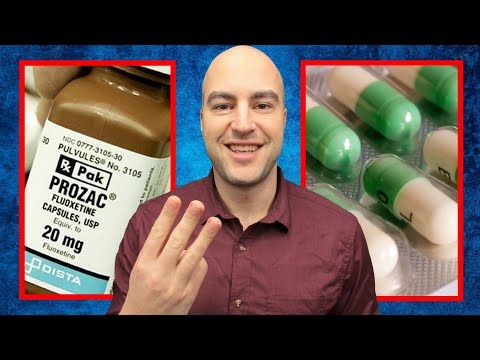
So, let’s talk about fluoxetine. You’ve probably heard of it, right? It’s one of those go-to meds for stuff like depression and anxiety.
But here’s the thing: it’s not just a simple pill. Seriously! It can help in more ways than you might think.
Imagine feeling stuck in a fog and then suddenly getting a clearer view of life again. That’s kinda what fluoxetine does for some people.
In this chat, we’ll explore how this little capsule works wonders in the mental health world. Buckle up!
Understanding Fluoxetine: Primary Uses and Benefits in Mental Health Treatment
Fluoxetine, often known by its brand name Prozac, is a medication that’s been around since the late ’80s. It’s part of a class called selective serotonin reuptake inhibitors (SSRIs). So, what does that mean? Basically, it helps keep serotonin levels higher in your brain. And why is that important? Well, serotonin is often referred to as the «feel-good» chemical because it plays a big role in mood regulation.
Primary Uses
Fluoxetine is primarily used to treat various mental health conditions. Here are some main ones:
- Major Depressive Disorder: This is one of the most common uses. People dealing with depression might feel sad, hopeless, or lose interest in activities they once enjoyed.
- Obsessive-Compulsive Disorder (OCD): Those struggling with OCD often have unwanted thoughts and engage in repetitive behaviors. Fluoxetine can help ease those symptoms.
- Binge Eating Disorder: It’s also prescribed for people who have episodes of binge eating and feel out of control during those times.
- Panic Disorder: If you’re facing sudden panic attacks and ongoing worry about them, this medication can help bring relief.
- Premenstrual Dysphoric Disorder (PMDD): For women dealing with severe mood swings before their period, fluoxetine may provide some stabilizing effects.
You see, fluoxetine isn’t just for one thing; it covers a range of emotional struggles.
Benefits of Fluoxetine
So why do people turn to fluoxetine? Well, there are several reasons:
- Efficacy: Many studies show that it can be effective for treating depression and anxiety-related disorders. People often report feeling better after using it.
- Tolerability: Generally speaking, fluoxetine has a favorable side effect profile compared to other antidepressants. While everyone reacts differently, many find its side effects manageable.
- Long Half-Life: One cool thing about fluoxetine is its long half-life. This means it stays in your system longer than some other medications. So if you forget to take a dose here or there, it’s usually not a huge deal.
But here’s the thing—while fluoxetine has its benefits, it’s not magic. You still have to put in the work outside of taking a pill. Therapy may also be necessary for lasting change.
Anecdote Time!
I remember chatting with my friend Sam—he’d been struggling with depression for years. When he finally started taking fluoxetine along with therapy sessions, he felt like he was finally given some air after being underwater for way too long. He became more social and picked up hobbies he’d dropped ages ago.
In short, fluoxetine can be a helpful tool. But like any medication or treatment approach, it works best when combined with comprehensive care and regular check-ins with healthcare providers to monitor progress and adjust as needed.
Fluoxetine isn’t suitable for everyone—there are various factors at play when considering what’s right for you. So always consult with your healthcare professional before starting or stopping any medication!
Exploring Fluoxetine: Uses Beyond Depression You Should Know About
Fluoxetine, often known by its brand name Prozac, is one of those medications that most people think about when depression pops up in conversation. It’s a type of antidepressant called a selective serotonin reuptake inhibitor (SSRI). Basically, this means it helps increase levels of serotonin, a chemical in your brain that impacts mood and emotions. But here’s the kicker: fluoxetine isn’t just for depression. There are some other uses that might surprise you.
Obsessive-Compulsive Disorder (OCD) is one area where fluoxetine shines. People with OCD often struggle with unwanted thoughts and repetitive behaviors. Research shows that fluoxetine can help reduce those pesky obsessions and compulsions, making daily life feel a little more manageable.
Then there’s Bulimia Nervosa. This eating disorder involves bingeing and purging behaviors, which can seriously mess with both physical and mental health. Studies indicate that fluoxetine can help minimize these behaviors and promote recovery. It’s an interesting combo because it addresses the anxiety and control issues tied to bulimia.
Another important use is for Panic Disorder. If you’ve ever experienced sudden feelings of intense fear or panic attacks, you know how debilitating they can be. Fluoxetine has been shown to help ease these panic attacks by balancing those pesky brain chemicals.
And let’s not forget about Post-Traumatic Stress Disorder (PTSD). People dealing with trauma often have flashbacks, nightmares, or anxiety that’s hard to shake off. Fluoxetine can be part of the treatment plan to help lessen those intense symptoms over time. Imagine feeling less haunted by past experiences; that’s the kind of relief many are looking for.
There’s even research suggesting fluoxetine may be beneficial for Premenstrual Dysphoric Disorder (PMDD), a severe form of premenstrual syndrome. Women suffering from PMDD experience extreme mood swings, irritability, and physical symptoms right before their period hits—talk about rough! Fluoxetine could help smooth out those emotional ups and downs.
While we’re chatting about these uses, it’s worth mentioning that fluoxetine isn’t without its side effects. Like any medication, some people might experience changes in appetite, sleep problems, or even feelings of restlessness when they first start taking it. But don’t get too worried; many find these side effects fade as their body adjusts.
So there you go—fluoxetine is like an unsung hero in the world of mental health treatment! It goes beyond just treating depression; it helps with OCD, bulimia nervosa, panic disorder, PTSD, and PMDD too. Always chat with your healthcare provider before starting or stopping any medication so you can figure out what works best for your situation—you deserve support on this journey!
Understanding Fluoxetine Side Effects: What You Need to Know for Mental Health Management
Fluoxetine, also known as Prozac, is a medication you might hear about when it comes to treating mental health conditions like depression, anxiety, and OCD. It belongs to this group called SSRIs, or selective serotonin reuptake inhibitors. What these do is help increase the levels of serotonin in your brain, which can improve your mood. But with any medication, it’s essential to know what you’re getting into—like what side effects can come along for the ride.
First off, let’s talk about the common side effects you might encounter. They can range from mild to more bothersome but are usually manageable. Here are some of the key ones:
- Nausea: A lot of people report feeling queasy when they start taking fluoxetine. This generally gets better as your body adjusts.
- Sleep Issues: Some folks find they either can’t sleep at all or feel super sleepy during the day. It really depends on how your body responds.
- Changes in Appetite: Fluoxetine can mess with your hunger signals. So, you might eat less or more than usual—just be mindful of how that feels.
- Sexual Side Effects: If you’re noticing changes in libido or difficulty reaching orgasm, you’re not alone. Many people experience this with SSRIs.
- Dry Mouth: This one’s annoyingly common! Staying hydrated helps if this kicks in.
Then there’s the emotional side too. Some people report feeling a bit «numb» or disconnected from their feelings after starting fluoxetine. It can be odd and sometimes unsettling since you’re hoping for an uplift in mood rather than a flatline experience.
Sometimes, there are more serious side effects that aren’t as common but still important to keep an eye on:
- Serotonin Syndrome: This is rare but serious; it’s basically when there’s too much serotonin floating around and can cause confusion or muscle spasms.
- Suicidal Thoughts: Especially in young adults and children, there might be an increased risk for suicidal thoughts when starting antidepressants.
If you ever feel like something’s off or you’re experiencing severe side effects, definitely reach out to your doctor! They want to help you find a balance that works.
Now, hang on—we haven’t even touched on how long these side effects last! When you first start taking fluoxetine, it could take several weeks for those pesky side effects to settle down—or even for its full benefits to kick in! Patience is key here.
Every person is unique; some may breeze through their treatment with minimal fuss while others may have a rougher go at things initially. It’s all about finding what works best for you and maintaining an open dialogue with your healthcare provider.
And remember: managing mental health isn’t just about medications like fluoxetine; therapy and lifestyle changes play huge roles too! Whether through counseling or finding support networks, integrating different approaches often leads to better results.
So yeah—fluoxetine has potential benefits alongside some possible complications worth discussing with your doc. The bottom line? Keep informed and keep communicating so you can manage your mental health effectively!
So, fluoxetine. Like, it’s one of those medications that you hear about a lot when people talk about treating mental health issues. You might know it as Prozac, which has been around for ages. Honestly, this little pill has had quite the journey!
In the world of mental health treatment, fluoxetine is mainly used for depression and anxiety disorders. Seriously, it’s like a go-to for many therapists and doctors when someone’s feeling really low or anxious all the time. And what’s interesting is how it works: it’s a selective serotonin reuptake inhibitor (SSRIs). Sounds fancy, right? Basically, that means it helps keep serotonin—this happy chemical in your brain—available longer so that your mood can get a boost.
I remember talking to a friend who struggled with major depressive disorder. It was tough seeing them go through all those dark days. They were hesitant at first to try fluoxetine because they thought medication meant they’d lose themselves somehow or become a zombie. But after some chats with their therapist and family support, they decided to give it a shot. Fast forward a few months and wow! They started feeling more like themselves again. It wasn’t an instant fix though—it takes time to kick in and adjust.
Of course, not everyone has the same experience with fluoxetine. Some people find great relief and others may face side effects like nausea or sleep issues. That’s why it usually goes hand in hand with therapy; having both can help tackle the underlying problems while managing symptoms.
What’s also super important is that fluoxetine isn’t just for depression; this medication can help with obsessive-compulsive disorder (OCD), panic disorder, and even bulimia nervosa too! So many applications for one little pill, right?
But hey, medication isn’t always the answer—and that’s okay! It works differently for everyone and sometimes people find other coping strategies more effective (like exercise or mindfulness). The key takeaway here is that if you’re considering something like fluoxetine or any other med, don’t hesitate to talk openly with your doctor.
In short? Fluoxetine has helped countless folks climb out of those deep valleys into brighter days—but like anything else in mental health treatment, it’s gotta be personalized. Everyone’s journey is unique!