You know, dealing with depression can feel like you’re stuck in a fog. Like, one minute you’re just trying to get through the day, and the next you’re overwhelmed by everything. It’s tough.
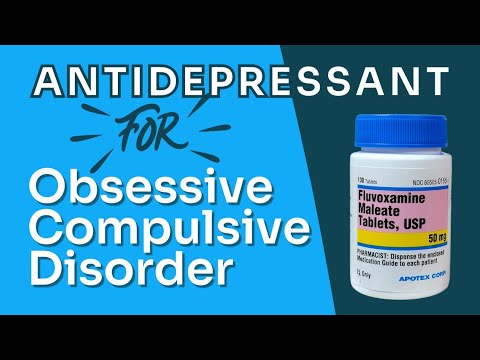
So, let’s talk about something you might not have heard of: fluvoxamine. Yeah, it’s a mouthful, right? But this little pill can actually make a big difference for some folks struggling with their mood.
Imagine finally getting that clarity back. Sounds pretty nice, huh? We’re gonna break down how fluvoxamine plays its part in treating depression effectively. It’s essential to understand what this medication does and how it can help brighten things up a bit. Stick around!
Understanding Fluvoxamine: Its Role in Alleviating Depression Symptoms
Fluvoxamine, huh? It’s a medication that’s often used to help people dealing with depression, among other things. Let’s break it down nice and easy.
What is Fluvoxamine?
Basically, it’s a type of antidepressant known as a selective serotonin reuptake inhibitor (SSRI). That’s a mouthful, but all it means is that it helps increase the levels of serotonin in your brain. Serotonin is a chemical that plays a big role in mood regulation. So, when there’s more of it floating around, you might feel happier or more balanced.
How does it work?
So, you know how sometimes when you’re feeling low, everything seems heavy and gray? Well, what happens with fluvoxamine is that it blocks the reabsorption of serotonin. This makes sure your body can use more of this good stuff to improve your mood. It’s like giving your brain a little nudge to feel better.
Who takes Fluvoxamine?
It’s mostly prescribed for folks with depression or obsessive-compulsive disorder (OCD). But hey, it’s worth mentioning that depression doesn’t look the same for everyone. Some people may feel really down all the time; others might just struggle to find joy in things they usually love.
Consider someone like Sarah—a friend who had been feeling constantly tired and just not herself anymore. After trying a few other treatments, she gave fluvoxamine a shot and noticed a change after several weeks. She started enjoying her hobbies again! It wasn’t instant magic, but man, did it make a difference over time.
Possible Side Effects
Now, let’s keep it real—no medication is perfect. Some people might experience side effects like nausea or insomnia when starting fluvoxamine. Seriously though—don’t let that freak you out! Everyone reacts differently to medications. Often these side effects fade as your body adjusts.
If you’re ever thinking about medication like this, it’s super important to chat with your doctor about what you’re experiencing and any concerns you might have.
Taking Fluvoxamine
You’ll usually take this pill once or twice daily for best results. It doesn’t work instantly—give it some time! You can expect it to take about 4-6 weeks before really noticing those mood boosts fully kick in.
And don’t forget: therapy can work wonders alongside medication! Sometimes talking through feelings can help solidify what medications are doing for you in the background.
In short, fluvoxamine can be an effective way to help manage depression symptoms by boosting those serotonin levels in your brain. It took some time for Sarah to find her groove again with the help of medication and therapy together.
Remember though: everyone’s experience can vary widely. If you’re looking into fluvoxamine—or any med—it’s best to discuss options thoroughly with your healthcare provider to make sure it’s right for you!
Understanding the Timeline: How Long Does Fluvoxamine Take to Alleviate Depression Symptoms?
So, you’re curious about how long it takes for fluvoxamine to start easing those heavy feelings of depression? That’s totally understandable. You’re not alone in this journey, and figuring out what to expect can really help. Let’s break it down.
Fluvoxamine is an antidepressant that’s part of the selective serotonin reuptake inhibitors (SSRIs) family. Basically, it helps increase levels of serotonin in the brain, which can improve mood and emotional wellbeing. But here’s the kicker: it doesn’t work overnight.
Typically, when you start taking fluvoxamine, you might not notice any improvement for at least **2 to 4 weeks**. That’s a pretty common timeline for most SSRIs. But let’s clarify what that means: during these initial weeks, some people might experience slight changes in their mood or sleep patterns, but significant relief usually takes a little longer.
After about **6 to 8 weeks**, many people start feeling more noticeable effects. It’s like turning on a light dimmer switch instead of flipping on a full-on bulb. The symptoms of depression—like low energy or sadness—usually begin to lift slowly but surely.
But remember, everyone is different! Some folks might feel better sooner while others may take up to **12 weeks** or more before they notice substantial improvements. It really depends on individual factors like your overall health and how your body responds to the medication.
Also, it’s super important not to stop taking fluvoxamine suddenly if you’re feeling frustrated with how long it takes to work. Stopping abruptly can lead to withdrawal symptoms that aren’t fun at all and might make things worse! If you’re feeling stuck or unsure about your progress, definitely have an open chat with your doctor—they can help guide you through this process.
In summary:
- Initial effects: Usually noticed in 2-4 weeks.
- Significant improvement: Typically around 6-8 weeks.
- Full effect: Can take up to 12 weeks.
- Consult your doctor: If you’re having concerns about progress.
So yeah, while waiting for fluvoxamine to kick in can feel like an eternity sometimes, hang in there! With patience and support from your healthcare team, better days are definitely ahead.
Understanding the Safety of Taking Fluvoxamine with Metoprolol: What You Need to Know
Fluvoxamine is an antidepressant that falls under the category of selective serotonin reuptake inhibitors (SSRIs). It’s mainly used to treat conditions like depression and obsessive-compulsive disorder (OCD). Metoprolol, on the other hand, is a beta-blocker often prescribed for heart-related issues such as high blood pressure or anxiety. So, if you’re thinking about taking these two medications together, it’s totally normal to wonder about the safety of that combo.
Interactions between Fluvoxamine and Metoprolol can happen because both drugs are processed in your liver. Fluvoxamine can potentially increase the levels of Metoprolol in your system, which may lead to more pronounced side effects like dizziness or fatigue. While this doesn’t mean you can’t take them together, it does call for some caution.
Here’s a few things to keep in mind:
- Consult Your Doctor: Always talk to your healthcare provider before starting or stopping any medication. They’re going to understand your medical history a whole lot better and can advise on dosages.
- Dosing Adjustments: Sometimes your doctor might suggest adjusting the dose of either medication when they’re taken together. This is key in avoiding those pesky side effects.
- Monitoring: If you’re on both medications, regular check-ups might be necessary so your doctor can monitor how you’re doing.
- Signs to Watch For: If you feel unusually dizzy, fainting spells, or extreme fatigue after starting this combination, it’s worth giving your doctor a shout—like ASAP.
That being said, a lot of people take these medications together without any major issues. But everyone’s body reacts differently! It’s kind of like when you mix certain foods—you might have friends who love peanut butter and jelly sandwiches while it makes another friend feel queasy.
Now let me share a quick story. I once had a buddy who struggled with anxiety and ended up on both Fluvoxamine and Metoprolol. At first, he felt great—his anxiety was under control and his heart rate was steady. But then he noticed some tiredness creeping in. After chatting with his doc, they figured out that his Metoprolol dosage needed tweaking because of how Fluvoxamine was affecting it. Simple adjustment made all the difference!
So basically, combining Fluvoxamine with Metoprolol isn’t something you should fear outright; just approach it with awareness and communication with your healthcare provider. That way you keep everything balanced and safe for yourself while getting those benefits!
Fluvoxamine, huh? It’s one of those antidepressants that don’t get as much buzz as some of its cousins but can really make a difference for some folks dealing with depression. You know, I was chatting with a friend the other day who had been battling this heavy cloud of sadness for years. It was like she couldn’t catch a break, trying therapy, different lifestyles changes, and various medications without much success. Then her doctor suggested fluvoxamine. And honestly? It changed things.
She described starting it like, well, that feeling when the sun breaks through on a rainy day. A bit of lightness started creeping back into her life. That’s one of the cool things about fluvoxamine: it works on serotonin—basically that feel-good chemical in your brain. When you boost your serotonin levels, it can help lift those heavy feelings associated with depression.
But let’s keep it real; it isn’t always sunshine and rainbows from the get-go. Some people experience side effects, like nausea or sleepiness at first. But for my friend, those faded away pretty quickly once her body adjusted to the med. Just goes to show that everyone is different!
Another thing to think about is this medication’s role in treating anxiety disorders too. It’s not just about depression—it has these broader applications that can help people feel more grounded when life throws them curveballs.
So when we’re talking about fluvoxamine and depression treatment, it’s essential to remember that it might not be for everyone. There are plenty of options out there because everyone has different needs and experiences with mental health care.
At the end of the day, mental health is such a personal journey; what works for one person might not work for another. But if you’re feeling really low and traditional routes haven’t worked out for you yet, giving fluvoxamine or similar treatments a shot could be worth discussing with your doctor—especially since there are possibilities out there to find relief and start feeling like yourself again!