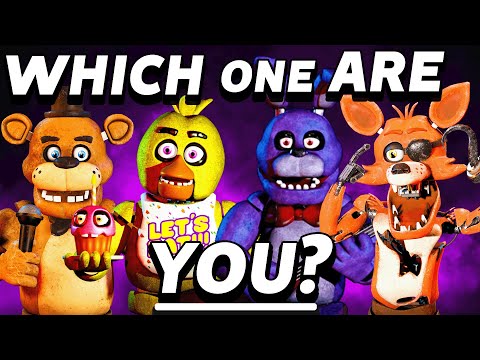
Okay, so let’s talk FNAF, right? Those creepy animatronics totally have their own vibes. And honestly, it’s wild to think about how they might fit into the MBTI world.
Like, imagine Freddy as an ENTJ. Strategic and a little bossy. Or what about Bonnie? Maybe he’s an INFP. You know, gentle but still kinda lonely?
Each character has their quirks and backstories that make them tick. It’s like they reflect different parts of us in this eerie way. So grab some popcorn because we’re diving into why these animatronic pals can teach us a thing or two about personality types!
Exploring Michael Afton’s MBTI Personality Type: Insights and Analysis
Alright, let’s talk about Michael Afton from the FNAF universe and his MBTI personality type. If you’re into *Five Nights at Freddy’s*, you might know Michael is one complex character. So, what makes him tick? Let’s dig in.
Many fans like to categorize him as an **INFP**—that’s Introverted, Intuitive, Feeling, and Perceiving. This type is often seen as idealistic and deeply sensitive. Seriously, his whole journey feels like a quest for redemption and understanding!
Introverted types like Michael tend to keep their thoughts and feelings close to the chest. He doesn’t share much about himself directly, but you can see through his actions that he cares a lot—especially when it comes to family. Remember how he tries to uncover the dark secrets of Freddy Fazbear’s Pizza? That’s some serious emotional investment right there!
Next up is **Intuitive**. INFPs are big-picture thinkers. They tend to look beyond immediate experiences and focus on what could be or what should be. For Michael, he seems driven by an inner moral compass, seeking answers that go deeper than just survival in that haunted pizza place.
And then we have the **Feeling** aspect. This is where it gets interesting because he clearly struggles with emotions throughout the series—grief over his brother’s fate, guilt for his family’s mistakes—you name it! You can feel that weight on him when he learns about all those twisted stories surrounding the animatronics.
Lastly, there’s **Perceiving**. This means he’s more adaptable and goes with the flow rather than planning everything out meticulously. Throughout FNAF’s storylines, he must make snap decisions while facing unforeseen challenges—like dodging angry animatronics! It shows how he reacts in real time rather than sticking rigidly to a plan.
Key points about Michael Afton as an INFP:
- Inner Conflict: His personal battles with guilt and fear reveal a depth of feeling.
- Search for Meaning: He delves into mysteries of his family’s legacy.
- Empathy: His interactions often display concern for others’ feelings.
- Adaptability: He adjusts quickly to dangerous situations.
To wrap it up, Michael Afton isn’t just your average character; he embodies these INFP traits beautifully despite all those creepy elements surrounding him. His journey through fear and redemption resonates on many levels—making us think about family ties and personal growth amidst chaos! Seriously emotional stuff here!
Discovering the INTP Personality Type in BSD: Traits, Characteristics, and Insights
When you think about the INTP personality type, picture someone who’s curious, analytical, and always digging deeper into the mysteries of life. They love exploring ideas and theories, often getting lost in their thoughts. With a natural inclination towards logic and creativity, it’s no wonder they’re often referred to as «The Thinkers» or «The Architects.»
Now, let’s break down a few key traits that define INTPs:
But here’s where it gets interesting—when we connect these traits to the characters in “Five Nights at Freddy’s” (FNAF). Think about characters like Foxy or Bonnie. They might seem chaotic on the surface, but if you dig deeper into their psychological profiles through the lens of MBTI types, you could see some classic INTP traits emerge.
It’s kind of like looking at Foxy; he’s mysterious and unpredictable—representing that typical INTP vibe of being somewhat misunderstood. His tendency to stay back until it’s time to spring forward mirrors the way an INTP intentionally ponders before jumping into action.
Another example is how Bonnie engages with his environment—it’s almost like he’s interpreting every little detail around him. This intense focus on observation ties back beautifully to that analytical side we talked about earlier.
In social situations, though? Well, they might feel a bit overwhelmed. Picture an INTP in a crowded room trying to engage in small talk—yikes! They’d rather delve into philosophical discussions than chat about the weather.
So if you ever meet someone who seems lost in thought or gets all excited over abstract ideas while others are talking sports stats or trending memes—there’s a good chance they’ve got some serious INTP energy going on.
To wrap things up, understanding this personality type helps you appreciate not just how they function but also how they relate to others around them. It’s all part of seeing the big picture in life—and for our FNAF friends? That adds yet another layer of intrigue!
Exploring Vanessa’s Personality: FNAF Character MBTI Insights for Mental Health Enthusiasts
Sure! Let’s talk about Vanessa from FNAF and how we can explore her personality through the MBTI lens. You know, getting into the psyche of video game characters can be super interesting, especially when we’re trying to link them to real-world concepts, like mental health.
Vanessa is often seen as a complex character. She’s linked to **fear** and **control**, which shapes her personality in unique ways. Her role blends both leadership and vulnerability. By diving deep into her traits, we might get a clearer picture of her character through MBTI types.
Vanessa might be best associated with the **ISFJ** type. That stands for Introverted, Sensing, Feeling, and Judging. Let’s break that down a bit:
- Introverted: Vanessa often appears reserved and reflective.
- Sensing: She focuses on practical details rather than abstract ideas.
- Feeling: Decisions seem to be based on personal values and emotions.
- Judging: She prefers structure and order in her environment.
This combination hints at someone who feels a strong duty to maintain order—a key factor in her character development throughout the game. You see this when she tries to perform her job diligently while also grappling with fears that arise from the spooky animatronics.
But let me share an example from my experience that ties into this. Once I had a friend who was an ISFJ—always organized, made sure everything was where it should be. But when things didn’t go as planned? Wow! The anxiety could really kick in! For Vanessa, those feelings are amplified by the chaos around her.
Moreover, ISFJs are known for being protective of others. Vanessa’s character is often depicted as having a strong sense of loyalty—wanting to protect people from harm while battling inner demons. This duality can lead to intense emotional struggles, reflecting some real-life scenarios where individuals feel torn between their duties and personal well-being.
She also has moments where you see guilt creeping in; perhaps she feels responsible for the mishaps at Freddy Fazbear’s Pizza. This echoes common traits found in ISFJs who may take on blame even when things are out of their control.
Considering these aspects not only adds layers to Vanessa but also encourages us all to reflect on how our personalities interact with stressors around us—especially those related to mental health challenges such as anxiety or feeling overwhelmed by responsibilities.
In summary, exploring characters like Vanessa can absolutely shed light on broader themes within mental health discussions. It reminds us that behind every personality type lies a range of experiences and emotions worth understanding—and maybe even empathizing with!
Alright, so let’s talk about those creepy, yet oddly fascinating characters from the Five Nights at Freddy’s universe. You know, those animatronics that give you chills but somehow end up being a topic of deep discussion? Yeah, it’s wild how people have started to sort them into MBTI personality types. If you’re not familiar with MBTI, it’s this framework where you can categorize personalities into 16 types based on preferences in four different areas.
Now, picture this: You’re stuck in a dimly lit pizzeria with these animatronic beings lurking around. You might think they’re just machines, but if you look closer—even though it sounds kinda silly—they reflect some real psychological traits. Like Freddy Fazbear himself? He could totally be an ESFJ—like the caring but slightly controlling type who wants everyone to have fun while secretly enjoying that power over the situation.
And then there’s Foxy! He feels like more of an ISTP type—mischievous and independent but super resourceful. Seriously, he’s that one friend who’s always off on their own adventure while everyone else is scrambling to figure things out.
But, honestly, this whole MBTI thing gets emotional too. I remember chatting with a friend who felt really connected to Chica because she saw this character as someone who doesn’t give up easily and loves to nurture others — like always trying to serve pizza! It made her reflect on her own struggles and how she tries to take care of people around her despite feeling broken at times.
Then we get into characters like Bonnie, who might just be an INFP—creative and somewhat misunderstood. The sad part is that he often seems stuck in his own head while trying to interact with others. And let’s not even start on how tragic it is when you realize their backstories! They’ve all got layers—like onions or something.
It’s interesting how these fictional characters resonate with real human emotions and traits, showing us what we sometimes hide within ourselves or just don’t recognize yet. So when you’re playing FNAF or analyzing these characters through the lens of MBTI types, remember there might be more beneath that surface than just jump scares and nightmares! These little insights can help shed light on our own personality quirks too – who knew animatronics could get so deep?