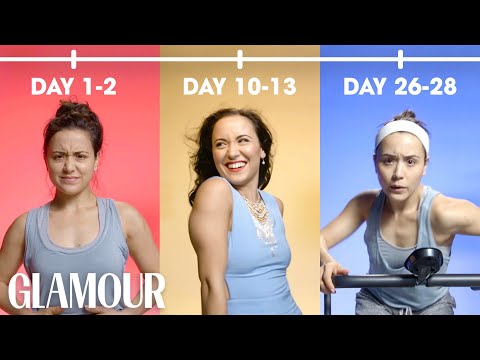
Hey there! You know those days when your emotions feel like a rollercoaster? Yeah, that’s what we’re diving into today.
Let’s talk about the follicular phase. It’s the part of your menstrual cycle when things can get a bit… interesting, to say the least.
One minute you’re on top of the world, and the next you might be crying over a commercial. Seriously!
So, what’s going on in our bodies that stirs up this emotional whirlwind?
We’ll explore how hormones play their sneaky games and what it means for your mental health. Trust me, it’s worth understanding!
Understanding Menstrual Cycle Mood Swings: A Comprehensive Chart for Emotional Awareness
Alright, so let’s talk about those mood swings that can pop up during the menstrual cycle, especially in the follicular phase. It’s a topic that’s super relevant, yet often overlooked. You know how some days you feel on top of the world while other days are just… off? Well, there’s a reason for that!
When you go through your menstrual cycle, it’s not just your body that’s doing all the work. Your emotions can really ride a roller coaster. The **follicular phase** kicks off right after your period and lasts until ovulation. This is usually around day 1 to day 14 of your cycle, give or take. During this time, hormones like estrogen start to rise.
Estrogen is kind of a superhero hormone. It can boost your mood and energy levels. But hold on; it doesn’t mean you’re gonna feel great all the time! The changes in hormone levels can lead to some emotional fluctuations.
- Mood Enhancements: Early in the follicular phase, as estrogen increases, many people experience feelings of happiness and higher motivation.
- Heightened Sensitivity: As you get closer to ovulation, the emotional intensity can swing from joy to irritability or sadness.
- Anxiety Levels: Some may notice an increase in anxiety during this phase too. Hormones play a role here too!
Here’s a little story: Sarah always felt like she had control over her emotions until she noticed that every month around week two of her cycle, she’d snap at her boyfriend over little things—like leaving dirty dishes in the sink. She found out that this was happening because estrogen was rising rapidly during that time.
Understanding these patterns can help! If you’re aware that certain moods might be linked to where you are in your cycle, it might empower you to handle them better.
Now let’s get into how these fluctuations could potentially affect mental health:
- Increased Stress: If stress levels are high during this time, it could amplify mood swings.
- Sleep Issues: Hormonal shifts might disrupt sleep patterns which then affects mood.
- Coping Strategies: Knowing when these swings may occur allows for planning ahead—like practicing self-care or reaching out for support.
It’s also worth mentioning that everyone’s body is different. So while some folks glide through their cycles with minimal emotional impact, others might find themselves struggling more noticeably.
The key takeaway is awareness! Knowing about these emotional shifts doesn’t make them go away but gives you a heads-up on what’s coming down the line. It’s all about giving yourself some grace and understanding how those hormones play into everyday life—because they seriously do!
Understanding Mood Swings During the Follicular Phase: Insights and Tips for Emotional Balance
Understanding mood swings during the follicular phase can be a real eye-opener. Basically, you’re looking at a time in your menstrual cycle that can really affect your emotions. This phase begins right after your period and lasts until ovulation. Hormones are shifting a lot, and that can influence how you feel—sometimes in really intense ways.
During the follicular phase, estrogen levels rise. This is actually good news because estrogen can boost your mood and energy levels. But here’s the twist: for some, this hormonal rollercoaster leads to unpredictable mood swings. One minute you might be feeling like you’re on top of the world, and the next, something tiny sets off a wave of frustration or sadness. Sound familiar?
Why does this happen? Well, as estrogen ramps up, it interacts with serotonin—the “feel-good” neurotransmitter. Sometimes things just get outta sync. You know how it is when you’ve had too much caffeine? Your nerves are all over the place; that’s kinda what happens with hormonal changes too!
It’s not just about hormones though; lifestyle factors play a huge role too. Stress levels from work or personal life can amplify those feelings during this phase. So if you’re already juggling a lot, you may notice your emotions are even more sensitive.
Here are a few points to consider:
- Track Your Cycle: Keeping tabs on your menstrual cycle and noting when those emotional shifts happen can help identify patterns.
- Practice Self-Care: Engage in activities that make you feel good—exercise, meditate, or spend time with friends who lift your spirits.
- Mindfulness Techniques: Simple breathing exercises can help ground yourself when those intense feelings hit.
- Nourish Your Body: Eating well and staying hydrated can positively impact how your body feels overall.
Let’s say you’re at work during the follicular phase, right? You open an email with some constructive feedback—it’s nothing major but suddenly it feels like the end of the world. It’s so easy to get thrown off balance because of those underlying emotions!
Remembering that these emotional waves are temporary can be comforting; they usually settle down as you move into ovulation and then into the luteal phase. If they start getting overwhelming though or interfere significantly with daily life, don’t hesitate to reach out for professional support.
So yeah, understanding these mood swings is all about recognizing what’s happening inside of you physically and emotionally. It’ll help navigate through this unique phase with more grace!
Understanding Mood Changes During the Menstrual Phase: Insights and Tips for Well-Being
The menstrual cycle can really mess with your feelings, and let’s face it—mood swings are like that annoying friend who just won’t leave you alone. One minute you’re feeling on top of the world, and the next, you’re ready to cry over a spilled cup of coffee. So what gives? Well, it turns out that these ups and downs are often tied to hormonal changes throughout your cycle.
Mood Changes During the Phases
The menstrual cycle has several phases: the follicular phase comes right after your period, then you have ovulation, followed by the luteal phase. While every individual is different, many notice that their mood dips significantly during these times.
During the follicular phase, which starts on the first day of your period and lasts until ovulation, you might feel more energized and optimistic as estrogen levels begin to rise. However, some people still experience fluctuations in mood—like feeling irritable or anxious for no apparent reason. Seriously, it can be a mixed bag!
Understanding Hormones
So why does this happen? The two main hormones at play here are estrogen and progesterone. Estrogen typically makes you feel good—it can boost serotonin (that happy chemical) in your brain. But as levels fluctuate, especially just before ovulation when they peak, it’s common to feel impulsive or overly emotional.
And then there’s progesterone. After ovulation during the luteal phase, progesterone levels rise which can lead to feelings of fatigue or irritability for some folks because it acts as a natural sedative.
Common Symptoms to Recognize
When you’re dealing with mood changes related to your menstrual cycle, there are a few key symptoms that pop up:
- Irritability: Little things start getting under your skin.
- Anxiety: You might feel more stressed or overwhelmed than usual.
- It’s like you suddenly feel heavy for no reason.
- Loss of motivation: Things you usually enjoy may seem pointless.
It can help if you recognize these patterns in yourself over time. Maybe jot down how you feel during different phases for a couple of cycles! It can be enlightening.
Coping Strategies
Alright, so what do you do about it? Here are some strategies that could help:
- Mood tracking: Keeping tabs on how you feel each day might pinpoint patterns.
- Psycho-education: Understanding what’s happening physically can sometimes reduce anxiety about those mood swings.
- Meditation & mindfulness: These practices have been shown to help reduce stress levels.
- Talk it out: Sometimes just chatting with friends or a therapist about what you’re feeling helps put things into perspective.
Remember Sara? She used to dread her period because she’d become super moody and snappy at work. Once she started tracking her moods in a journal during her cycle phases, she saw a trend! Knowing when those shifts were likely helped her prepare mentally and emotionally for them.
Your journey through this is personal; everyone’s experience is unique! If things get too challenging or if mood swings affect daily life drastically, don’t hesitate to chat with a professional who understands the complexities of mental health tied into bodily changes.
Mood swings during the menstrual phase are totally normal but knowing how to deal with them makes all the difference—it’s all about balance!
You know how sometimes, it feels like your emotions are on this wild rollercoaster? One minute you’re on top of the world, and the next, it’s like you’ve hit a major bump in the road. Well, if you’re someone with a uterus, those mood swings might just be part of the game during the follicular phase of your cycle.
So, what’s this follicular phase all about? Basically, it kicks off right after your period ends and lasts until ovulation. During this time, your body starts cranking up estrogen levels. Estrogen can boost your mood and energy—think sunshine streaming through your window. But then come those inevitable ups and downs that rival any crazy emotional thriller.
I remember talking to a friend once who always seemed chipper until she hit that phase. One day we were laughing over coffee about life’s quirks, and then suddenly she went quiet. She shared that it was like one moment she felt invincible and then just… drained. She explained how these mood swings impacted her daily life—her relationships, work stressors, all just felt heavier.
Research shows that during this phase, our brains might be more sensitive to changes in hormone levels. It’s like our emotional sensitivity gets dialed up to eleven! You could feel everything from excitement to irritability within hours. And for some folks dealing with mental health challenges like anxiety or depression? Those fluctuations can feel downright overwhelming.
The thing is hormones don’t just mess with our moods; they also play a role in how we think about ourselves and others. A little self-awareness can go a long way here. If you notice yourself snapping at loved ones or feeling unusually teary-eyed for seemingly no reason—hey, maybe take a moment to check in with yourself.
Talking about it can help too! Whether it’s confiding in friends or speaking to a therapist about those feelings makes things clearer. It’s not just “bad mood,” it’s part of something bigger happening in your body.
Navigating life during these hormone-driven ups and downs isn’t easy but knowing you’re not alone makes it feel less isolating. Embracing those feelings without judgment can empower you instead of leaving you questioning why everything feels so intense sometimes.
So yeah, mood swings during the follicular phase? They’re real—and they matter! Acknowledging what you’re going through is super important for mental well-being because every twist and turn of emotion tells us something we need to hear about ourselves.