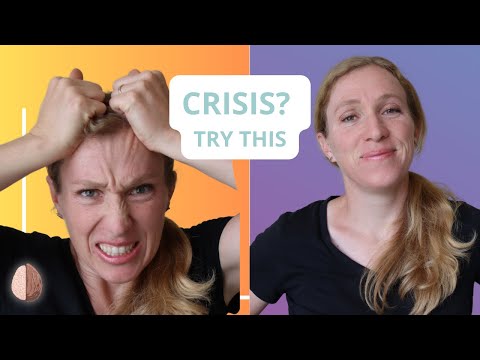
Hey, you! So, you know how we all talk about therapy and mental health stuff, right? Well, there’s this amazing thing called DBT—or Dialectical Behavior Therapy if we wanna get fancy.
It’s like a toolkit for emotions. Seriously, it helps people deal with anxiety, depression, and all those tricky feelings that can pop up outta nowhere.
And guess what? There’s free training for mental health pros who wanna level up their skills in this area! Sounds cool, huh?
Imagine being able to help your clients just a little bit more effectively. That can make a huge difference in their journeys. So stick around; I’ve got the details you need!
Free Resources to Learn Dialectical Behavior Therapy (DBT) for Mental Health Improvement
Dialectical Behavior Therapy, or DBT, is like a toolbox for managing emotions and building better relationships. It’s especially helpful for folks dealing with intense feelings or behaviors, like those seen in borderline personality disorder. But here’s the good news—you don’t need to fork over a ton of cash to start learning about DBT! There are some solid free resources out there that can guide you or any mental health practitioners interested in this effective therapy.
First off, online courses can be a great starting point. Websites like Coursera and edX often offer free courses on DBT principles. They might have some limitations unless you pay, but you can still get a lot from the material without spending a dime.
Then there are YouTube channels dedicated to mental health topics that cover DBT techniques in fun and engaging ways. For example, look up videos that demonstrate skills like mindfulness or distress tolerance—two key components of DBT. These videos often include exercises you can practice right away.
Another valuable resource is websites of mental health organizations. The National Alliance on Mental Illness (NAMI) has articles and guides explaining what DBT is all about and how it helps people. They also sometimes have community events or workshops listed that focus on DBT skills—totally worth checking out!
Don’t forget about workbooks available for download. The Emotion Regulation Skills Workbook for Beginners is one such resource that gives practical exercises based on DBT concepts. You might find PDFs available through university websites or mental health agencies—you know, places looking to spread awareness.
Also, many therapists share handouts and worksheets for clients online. Just search “DBT handouts” and you’ll be surprised at how many come up! These often outline key skills in easy-to-understand formats.
If you’re into reading, online libraries and Google Scholar offer academic papers on DBT fundamentals at no charge. While some can be pretty dense, others provide pared-down explanations of different techniques which could really enhance your grasp of the material.
Lastly, consider joining online forums or support groups. Platforms like Reddit have communities focusing on mental health topics where people share their experiences with DBT and even recommend great resources for learning more about it.
In short, there’s a wealth of free stuff out there if you’re willing to dig around a bit! Whether you’re looking to improve your own mental health or expand your skills as a practitioner, utilizing these resources can help pave the way toward deeper understanding and mastery of Dialectical Behavior Therapy.
Exploring DBT Practice: Can You Use Dialectical Behavior Therapy Techniques Without Certification?
So, you’re curious about Dialectical Behavior Therapy (DBT), huh? It’s a pretty cool approach that focuses on balancing acceptance and change. You might be asking yourself if you can use DBT techniques without being certified, and that’s a good question.
First off, DBT is often used for folks with emotional regulation issues, like those dealing with borderline personality disorder or chronic suicidal thoughts. It mixes cognitive-behavioral techniques with mindfulness, helping people learn skills to handle intense emotions and improve relationships.
Now, onto the main point: yes, you absolutely can learn and practice some DBT techniques without certification. Just understand that there are limits to how effective these practices can be if you’re not trained in the full-on DBT model.
Here are some key points to consider:
But here’s where it gets tricky. While practicing these skills yourself is awesome, think about the potential risks. Let’s say you try implementing a DBT technique during a friend’s emotional crisis but lack the full training to support them effectively. It could lead to misunderstandings or intensify their feelings if things don’t go as planned.
Just imagine: your friend is in distress, and you’re using mindfulness exercises you’ve read about. But without knowing how to guide them properly through their emotions, they may feel more confused or even upset when you’re just trying to help.
That said, if you’re someone who wants to dive deeper into using DBT in a more structured way—maybe in your career as a mental health practitioner—consider formal training eventually. This way, you’re equipped to help rather than potentially misguide someone who’s genuinely struggling.
So yeah, while diving into DBT techniques on your own is totally possible and can be beneficial for personal growth or helping friends casually, always keep in mind the importance of proper training when it comes down to meaningful support!
Unlock Your Skills: Free Online DBT Training for Mental Health Practitioners
So, let’s talk about DBT, or Dialectical Behavior Therapy. It’s a type of therapy that helps folks manage emotions and improve relationships. If you’re in the mental health field, you may have heard about free online DBT training. It’s actually a big deal these days for practitioners.
Now, why is that? Well, DBT was originally designed for people with borderline personality disorder (BPD), but it has been used to treat all sorts of emotional struggles. It focuses on teaching skills like mindfulness and distress tolerance. So if you’re looking to enhance your toolkit as a mental health professional, this training can be super valuable.
What can you expect from this kind of training? Here are some key points:
- Skill Development: You’ll learn specific techniques to help clients manage their emotions better.
- Group Practice: Many programs include opportunities to practice skills in a group setting.
- Accessibility: Being online means you can join from anywhere without traveling.
- Flexible Learning: You can study at your own pace—no need to rush through it!
Think about it like this. Imagine you’re working with someone who feels overwhelmed by anxiety. With DBT skills under your belt, you could help them identify their feelings in the moment and provide tools to cope effectively. It makes a real difference when clients feel understood and supported.
And let’s not forget about the **community aspect**. Connecting with other practitioners helps build a supportive network where you can share experiences and strategies. It’s not just about learning; it’s also about growing together.
Also, many organizations offer these trainings for free as part of their mission to increase access to quality mental health care. That means you get valuable knowledge without breaking the bank! Just think how many more lives could be touched by skilled practitioners thanks to these resources.
So seriously, if you’re in the mental health game, checking out free online DBT training could really amp up your skills and benefit those who rely on your support. Whether you’re new or seasoned in the field, there’s always something more to learn!
So, let’s chat about free DBT training for mental health practitioners. Seriously, it’s such a big deal, and here’s why. Dialectical Behavior Therapy (DBT) has been a game changer for many folks dealing with intense emotions or mental health struggles. You know, like borderline personality disorder, depression, anxiety—all that stuff that can feel overwhelming.
I remember talking to a friend who is a therapist. She was sharing how her client had struggled for years with managing their emotions. After going through DBT training herself, she noticed such a shift in her practice and her client’s progress. It was like watching someone learn to swim after being afraid of water for so long.
So offering free DBT training is a fantastic way to equip more practitioners with these skills. I mean, think about it—there are so many people out there who need help, but not every therapist has the tools or opportunity to dive into this specific approach due to cost or accessibility issues. Free training breaks down some of those barriers and opens doors for so many.
And let’s be real; mental health isn’t one-size-fits-all. It’s complex and messy! But having more folks trained in DBT could really diversify the approaches available out there. Practitioners get the chance to learn techniques like emotion regulation and distress tolerance without worrying about the financial burden, which is such a win-win.
But it also makes me think about how important it is for therapists to keep learning and adapting their methods over time. Mental health trends evolve; what worked five years ago might not cut it today. So having these opportunities allows professionals to stay current and responsive to their clients’ needs.
Honestly, I hope more programs pop up like this one because the ripple effect could be huge—better trained therapists lead to better support for clients leads to improved overall mental health in our communities! That feels pretty hopeful if you ask me.