You know how sometimes you just feel a bit off, but you can’t quite put your finger on why?
Yeah, that’s real life for a lot of us. Emotional intelligence is like your secret sauce for figuring this stuff out.
It’s all about understanding your feelings and the feelings of others. And trust me, it can make a world of difference in how you handle daily life.
Curious about where you stand? Well, I’ve got something cool for you—a free emotional intelligence assessment!
It’s like a little peek under the hood of your emotions. It’s fun, simple, and totally eye-opening. Want to dive in?
Exploring Emotional Intelligence: Is There a Test to Measure Your EQ?
Emotional intelligence, or EQ, is one of those buzzwords that you’ve probably heard tossed around a lot. It’s basically your ability to recognize, understand, and manage your own emotions—and the emotions of others. Seriously, it’s a big deal. People with high EQ tend to handle stress better, communicate more effectively, and have healthier relationships. So, yeah, it matters.
Now, speaking of measuring EQ, you might be wondering if there’s actually a test for it. And the answer is yes! There are several assessments out there designed to give you an idea of your emotional intelligence level. But before diving into that rabbit hole, let’s talk about what these tests really measure.
Tests usually focus on a few key areas:
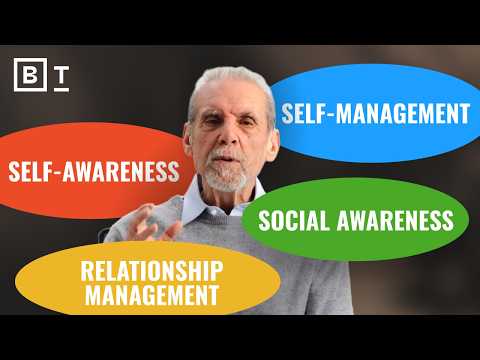
- Self-awareness: This is all about knowing your own emotions and how they affect your thoughts and behavior.
- Self-regulation: This involves managing your emotions in healthy ways and keeping impulsive feelings in check.
- Social skills: Here we’re looking at how well you interact with others. Can you build rapport? Can you resolve conflicts peacefully?
- Empathy: This is the ability to understand things from someone else’s perspective—like feeling what they feel.
- Motivation: This explores how emotionally driven you are to achieve goals even when faced with setbacks.
Take me back a few years when I took one of these assessments just for fun (who knew it could turn into something more?). I was shocked by how much I had overlooked my emotional state during tough times. The test helped me understand how much my feelings played into daily life decisions; not just mine but also how they impacted my relationships!
Now let’s get down to specifics. There are a couple well-known tests that can help measure EQ:
1. **Bar-On Emotional Quotient Inventory**: This is pretty comprehensive and covers multiple aspects of emotional intelligence.
2. **Mayer-Salovey-Caruso Emotional Intelligence Test (MSCEIT)**: Unlike self-report tests where you answer questions based on perception, this one actually measures your ability to solve emotional problems through tasks.
While these tests can be really helpful for self-reflection, remember that they’re not the be-all-end-all solution. They provide insight but don’t capture every facet of who you are emotionally or mentally.
If you’re curious about checking out where you stand on the EQ spectrum without spending a dime, there are free versions available online—though keep in mind they may not be as thorough as the professional ones. Just make sure whatever assessment you’re taking doesn’t feel too rigid; it should flow naturally like a conversation.
So now that you’ve got the scoop on measuring emotional intelligence—what’s next? Well, once you’ve gathered some insights from these tests or assessments, consider using them as stepping stones for personal growth. Think about ways to enhance areas you’re less familiar with or even work through emotions that may have been holding you back.
Remember—emotional intelligence isn’t set in stone; it can grow over time!
Exploring the Truth: Is There a Reliable Emotional Intelligence (EQ) Test?
Well, let’s talk about emotional intelligence, or EQ as it’s sometimes called. You might have heard that having high emotional intelligence can really help you in life, like at work or in relationships. But when it comes to testing it? Things get a bit tricky.
First, what even is emotional intelligence? Basically, it’s your ability to recognize and manage your own emotions and understand the emotions of others. Super handy stuff! Still, measuring that is no walk in the park.
So, are there reliable EQ tests out there? Here’s the deal:
- Types of Tests: There are a few types of EQ assessments. Some are self-report questionnaires where you answer questions about how you feel or act. Others are more observational, like peer reviews where people in your life rate your emotional skills.
- Lack of Standardization: A big issue is that there isn’t a single standard for what an “accurate” EQ test looks like. Different tests measure different aspects of emotional intelligence. So, results can vary widely based on which test you take.
- Self-Perception Bias: When you take these tests on your own feelings and behaviors, it’s possible you’re not completely objective. You might see yourself as way more emotionally savvy than you actually are—or the opposite!
- Interpersonal Skills: Some tests may focus on certain skills over others. If a test emphasizes empathy but you excel at self-regulation? Well, that could throw off your score.
Now let’s consider an example: imagine two people take the same EQ test. One might score high because they’re amazing at reading other people’s feelings but struggle with their own emotions. The other person may have great self-awareness but not connect well with others. Depending on the focus of the test, both might end up with completely different scores.
It can feel frustrating when assessing something as personal and complex as emotions seems so subjective! And that brings us to another point—the context matters. Your mood while taking a test can sway your answers too. It could make a significant difference whether you just had a great day or a tough one.
So for mental wellness? Don’t just rely on one score from an EQ test to figure yourself out! Use those results as a tool among many to understand yourself better—and consider talking through them with someone else who knows you well (like a friend or maybe even a therapist).
In summary, while there are some tests out there that aim to measure emotional intelligence, there’s no one-size-fits-all approach. And essentially? It’s about using these tools wisely rather than putting all your eggs in one basket when figuring out your emotional landscape.
Understanding the Cost of Emotional Intelligence (EQ) Tests: What You Need to Know
Emotional intelligence, or EQ, is super important for our mental wellness. It’s about how well you understand and manage your own emotions and how you connect with others. When it comes to assessing this intelligence, there are various tests available, and they can come with some costs. Let’s break it down.
First off, you should know that some EQ tests are free while others can be pretty pricey. Free assessments might not give you the full picture, but they can still be a good starting point if you’re curious about your emotional skills. Think of them as a casual check-in—maybe like a quick selfie versus a professional portrait.
On the flip side, paid tests often offer more detailed results. These can include comprehensive feedback and suggestions for improvement. The cost varies widely based on the depth of the assessment and who’s providing it. You might see prices ranging from $20 to several hundred dollars!
There are a few things to consider when deciding:
An interesting point—some workplaces actually provide these assessments as part of employee development programs! If your job offers this, take advantage! Companies know that improving emotional intelligence leads to better teamwork and communication.
Finally, whether you choose a free or paid assessment, remember that an EQ test is just one tool in understanding yourself better. Your feelings and relationships are complex, so consider it as part of a bigger picture—like discussing things with friends or even talking to a therapist if you’re feeling stuck.
So really, the cost of EQ tests depends on what fits your needs best—and keep in mind that investing in understanding yourself could lead to valuable personal growth down the line!
You know, emotional intelligence is one of those things that often gets tossed around, but it really can make a difference in how we deal with life. It’s about being aware of your emotions, understanding them, and knowing how to manage them and the feelings of others too. Makes sense, right?
So I was chatting with a friend the other day who was feeling overwhelmed by work and relationships. She mentioned doing this free emotional intelligence assessment online. At first, I raised an eyebrow—like, free? How good can it be? But honestly? It turned out to be pretty insightful for her. She learned that she was great at recognizing when she felt stressed but not so good at expressing it to her team or even standing up for herself.
This got me thinking about the whole idea of these assessments being available without a big price tag attached. They can help you see where you stand emotionally without putting too much pressure on your wallet—or yourself. It’s almost like holding up a mirror to your mind and heart! And the cool thing is that they can really help improve your mental wellness over time by guiding you on what areas to focus on.
Of course, they’re not perfect or anything; sometimes they’re just a fun little quiz you take while sipping coffee. But when approached with an open mind, they can spark genuine reflection and growth. It’s like getting that gentle nudge you didn’t realize you needed.
If you’re curious about how emotionally intelligent you are or if you’ve been feeling stuck in certain situations—like my friend—checking out one of those assessments could be worth your time. Just remember to take it with some perspective and use it as a starting point rather than an absolute measure of who you are. After all, we’re all works in progress!