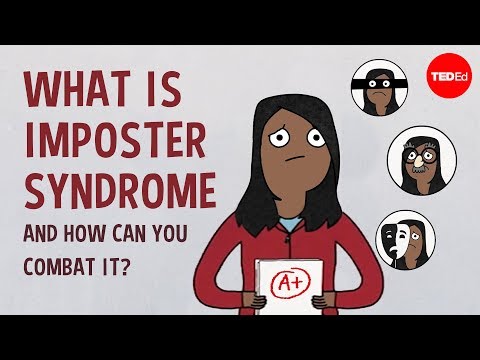
You know that feeling when you’re hanging out with friends, and you suddenly think, “Wait, do they really like me?” Yeah, that’s what we call friendship imposter syndrome.
It’s like showing up to a party, having a blast, and then a little voice in your head whispers that you’re just faking it. Seriously, who hasn’t felt that way at some point?
You might laugh it off or brush it aside. But for some folks, it digs a little deeper. It can make friendships feel heavy instead of light and fun.
Let’s chat about this sneaky syndrome—what it is, how it pops up in our lives, and how we can kick that doubt to the curb together. Sound good?
Understanding Imposter Syndrome: Its Impact on Mental Health and Well-Being
Imposter Syndrome is that sneaky feeling where you think you’re not as good as everyone else, even when all the evidence says you are. It’s like wearing a superhero cape but feeling like a regular person underneath. This experience can hit hard, especially in friendships and social settings where comparison can feel inevitable.
So, let’s break it down. If you find yourself in a group and think, “Ugh, I don’t belong here,” you’re not alone. Many people face this—whether they’re excelling at work or just hanging out with friends. The challenge is that these feelings can seriously affect your mental health.
Here are some key points to consider:
- Isolation: You might start pulling away from those friends because you feel unworthy or fake. It’s like standing at the edge of a party but never really going in.
- Fear of Failure: The worry that one mistake will reveal your “true self” can be paralyzing. You know, the one who isn’t as amazing as everyone thinks? That fear might hold you back from opportunities.
- Anxiety and Stress: Constantly worrying about how you’re perceived leads to heightened anxiety levels. You could find yourself overthinking every conversation.
- Erosion of Self-Esteem: Ongoing doubts about your abilities chip away at how you view yourself over time. It’s like if someone constantly whispered negative things in your ear—you’d start believing them!
Imagine sitting with friends after work, laughing about inside jokes while inside you’re thinking they’ll figure out that you’re just pretending to be smart or funny. A friend of mine once told me she cried after a dinner party because she felt everyone was so much more accomplished than her. She couldn’t shake off the feeling that she didn’t deserve their friendship or success.
But here’s the kicker: Imposter Syndrome isn’t about reality; it’s about perception! It often roots itself in past experiences and societal expectations, which makes it tricky to navigate, especially in friendships where comparison happens naturally.
So what do we do? First off, talking about these feelings helps shed light on them—like pulling back the curtain on a stage show where we feel unqualified to perform! Share with your friends if you’re comfortable; they might surprise you by admitting they’ve felt the same way.
Recognizing these thoughts for what they are is important too—just *thoughts*, not facts. Over time, building connections based on honesty and vulnerability helps create more supportive friendships.
In essence, stepping away from comparing yourself to others will take practice—a lot of practice! But just remember: Everybody has their insecurities bubbling under the surface; it’s part of being human.
Finding ways to reinforce what makes you unique can reduce those feelings of being an imposter and boost your overall well-being too! So focus on what you’ve accomplished rather than what others have done; celebrate every little win!
Keep this in mind: Imposter Syndrome may linger like an annoying shadow, but it doesn’t define who you are or dictate your worth within any friendship—or any part of life for that matter!
Understanding Imposter Syndrome in Friendships: How Self-Doubt Affects Our Connections
Imposter syndrome is that nagging feeling you get when you think you’re not good enough, even when everyone around you thinks you’re great. And believe it or not, this isn’t just a workplace thing. It can creep into your friendships too, making you second-guess yourself and your connections.
Imagine having a close friend who seems to have their life totally together. You might think, “Why would they want to hang out with me? They could have anyone.” This self-doubt can lead to feelings of inadequacy, which makes it hard to enjoy the friendship fully. You follow me?
When you’re feeling like an imposter in a friendship, it can manifest in a few sneaky ways:
- You might avoid sharing your thoughts or feelings because you’re scared of judgment.
- Sometimes, you may overcompensate by trying too hard to be supportive or interesting.
- There’s also the risk of withdrawing entirely because you feel unworthy.
It’s like standing on the outside looking in while everyone else seems to be having all the fun. That loneliness can sting deep.
Think about Sarah and Jenna. They met in college and hit it off right away. But Sarah often felt inadequate compared to Jenna’s outgoing personality and impressive achievements—like she was just pretending to be part of their friendship. So, instead of sharing her feelings or struggles with Jenna, she put up walls. That left her feeling isolated and resentful—a classic case of imposter syndrome at play.
So why does this happen? Well, sometimes our own internal dialogues are harsher than any criticism we’d face from others. You know that voice telling you you’re not smart enough or fun enough? It gets loud when we’re with people we admire.
Another factor is perfectionism. If you set ridiculously high standards for yourself, falling short feels inevitable. When you’re hanging out with friends who seem perfect—or at least put together—it’s so easy to compare yourself unfavorably.
Now, here’s where things get tricky: those feelings don’t just stay bottled up; they affect your behaviors and interactions too. Maybe you’ll start canceling plans because the anxiety feels too much or you’ll become overly anxious during social events for fear of not fitting in.
But here’s the kicker: opening up about these feelings can actually strengthen your friendships! Seriously! Most friends are more understanding than we give them credit for. If Sarah had confided in Jenna about her self-doubt instead of keeping it inside, they could’ve navigated those feelings together—creating an even stronger bond.
Ultimately, tackling imposter syndrome within friendships boils down to self-compassion and communication. Recognizing that nobody’s perfect (even if they appear so), helps us embrace our authentic selves with all our quirks and flaws.
So next time you’re hanging out with friends and doubt creeps in, remember: you’re worthy of friendship just as much as anyone else is!
Understanding Social Imposter Syndrome: Overcoming Feelings of Inadequacy in Social Situations
Social Imposter Syndrome is like that nagging feeling you get when you think, “I don’t belong here.” Whether you’re at a party or even in a group chat, it’s that sense of being a fraud, convinced everyone is way more qualified, charming, or fun than you are. And let me tell you, it can really put a damper on your social life.
Imagine this: You’ve just been invited to hang out with some friends. As soon as you arrive, you start worrying about every little thing—how awkward your laugh sounds or if your stories are lame compared to theirs. You catch yourself thinking they’re all besties while you’re just pretending to fit in. It’s tiring, right?
So what’s behind these feelings? Well, often it comes from comparing yourself to others. Maybe you scroll through social media and see people having the time of their lives—fancy dinners, laughs shared over coffee, vacations that look perfect from every angle. The thing is, we usually only see the highlights of others’ lives and forget they too have moments of struggle and self-doubt.
When these feelings creep in during those social situations, it can be rooted in things like perfectionism or even past experiences that made you feel unworthy. If someone grew up hearing they needed to be perfect in everything they did, any slip-up can feel like proof they’re not enough.
Now let’s talk about overcoming this pesky imposter syndrome. First off… take a deep breath! Seriously! It does wonders for calming those racing thoughts. Next time you’re feeling inadequate:
Each little step counts! And remember: You’re not alone in feeling this way—many folks experience similar doubts and worries.
Lastly, let’s address something important: Seeking help isn’t weak; it’s brave! Talking with a therapist can offer tools and strategies tailored for YOU to navigate those emotions better.
So next time you’re sitting around feeling not good enough? Realize that many others have been there too! And hey, maybe instead of comparing yourself to them… think about all the unique qualities YOU bring to the table. You’re worthy just as much as anyone else around you!
You know, friendships can be a wild ride. They’re supposed to be this awesome support system, but sometimes they can trigger something gnarly called friendship imposter syndrome. It’s like you’re just waiting for someone to figure out you’re not as good of a friend as they think you are. Like, you’re faking it, right?
I remember this time when I was hanging out with a couple of my closest friends. Everything seemed fine—laughing, sharing stories—but inside, I felt like a total fraud. I kept thinking, “What if they realize I’m not as fun or supportive as they believe?” It’s such a weird feeling, huh? You want to connect and be there for them, but then this nagging voice in your head says maybe you don’t deserve their friendship.
The thing is that many people struggle with this feeling. There’s something about believing others see you one way while you feel completely different inside. You might feel like you’re the least interesting one in the group or that you’re just lucky to have them in your life. But here’s the kicker: everyone has those moments of self-doubt. Seriously! Friends who seem so confident? Yeah, they’ve probably wondered if they’re enough too.
So what do we do about it? Well, vulnerability goes a long way in friendships. Sharing your insecurities can not only lighten your load but also open up a deeper conversation with your friends about theirs! Imagine how powerful that could be—real talk about feelings rather than pretending everything’s peachy.
And yeah, therapy can help too if it feels heavy on your heart. A therapist can help you sift through those feelings and boost your self-esteem so you can really enjoy those connections without second-guessing yourself all the time.
In the end, though we may wrestle with friendship imposter syndrome now and then, remember that vulnerability is part of what makes friendships meaningful. Being real creates space for others to be real too—and isn’t that what we all want?