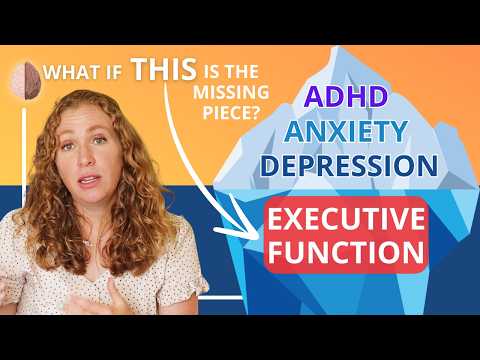
You ever feel like your brain just can’t keep up? Like, you’re trying to juggle a million things, but everything’s kind of falling apart? Yeah, that’s a vibe.
So, let’s chat about the frontal lobe. This tiny area in your noggin plays a massive role in making decisions and managing all that adulting stuff. It’s like the boss of your brain.
But what happens when the boss gets sleepy or distracted? Well, that’s where deficits come in. And they can seriously mess with how you plan, focus, or even control your emotions.
Trust me; this stuff is wild and pretty relatable. Let’s unpack it together!
Understanding Frontal Lobe and Executive Function Deficits: Impact on Mental Health
Understanding Frontal Lobe and Executive Function Deficits
So, let’s talk about the frontal lobe first. You know that little area right behind your forehead? That’s where all the magic happens! It’s responsible for a lot of our higher-level thinking. But when it doesn’t work like it should, things can get kinda tricky.
What are Executive Functions?
Executive functions are basically your brain’s “control center.” They help you plan, focus attention, remember instructions, and juggle multiple tasks. If that part of your brain is off its game, you might struggle with:
- Planning and organizing tasks.
- Managing time effectively.
- Staying focused on what you need to do.
- Controlling impulses and emotions.
Imagine trying to finish a work project but losing track of everything halfway through. That feeling of chaos? Yeah, that’s what it can feel like when the frontal lobe isn’t cooperating.
The Impact on Mental Health
When executive function is compromised, mental health often takes a hit. People might experience increased anxiety or depression due to frustration over unmet goals or the inability to manage daily tasks. Seriously, think about this: Have you ever missed deadlines or felt overwhelmed because your head was all over the place? That’s a taste of how these deficits can mess with everyday life.
An Emotional Example
Here’s a little story that reflects this struggle. A friend of mine named Sarah always seemed so organized, but after she got into an accident that affected her frontal lobe, everything changed. She lost her job because she couldn’t remember simple tasks anymore. The stress began to pile up like laundry—one thing led to another, and soon she found herself feeling anxious all the time. It wasn’t just about her memory; it was how it impacted every part of her life.
Why Does This Happen?
Sometimes injuries or neurological conditions can lead to these deficits. Conditions like ADHD or even traumatic brain injuries can really shake up how we function day-to-day.
Now when someone has difficulty managing their executive functions due to these reasons, they might find themselves in challenging situations such as:
- Losing track of time and being late everywhere.
- Having trouble starting projects because they don’t know where to begin.
- Struggling in social situations because they can’t read cues as well.
It’s important not just to see these challenges as “laziness” or lack of willpower—this stuff is real!
Coping Strategies
There are ways to cope with executive function deficits though! Therapy can really help by teaching specific strategies for planning and organization. Things like creating checklists or using timers for tasks can make a huge difference.
Also, building routines helps folks stick with what they need to do without getting too overwhelmed by all the choices life throws at them.
In sum, understanding frontal lobe deficits is key not only for grasping mental health struggles but also for finding practical solutions that help people regain control over their lives—one step at a time!
Exploring the Role of the Frontal Lobe in Executive Function: What You Need to Know
The frontal lobe is an amazing part of your brain. Seriously, it’s like the CEO of your mental operations. It handles so much—stuff like decision-making, planning, problem-solving, and even controlling your emotions. You can think of it as the command center. When things are rolling smoothly up there, you feel sharp and focused.
But what if something goes wrong? Well, that’s where frontal lobe deficits come into play. These deficits can pop up due to injuries, strokes, or even ongoing issues like ADHD or certain psychiatric conditions. When this part of your brain isn’t working right, it can really mess with executive functioning.
So, what does executive functioning mean? Basically, it’s a collection of mental skills that allow you to manage your thoughts and actions effectively. Think about how you plan your day or solve a problem at work—those tasks rely heavily on the frontal lobe doing its thing.
When you experience deficits in this area, everyday tasks can become more challenging. Here’s a little breakdown:
- Problem-solving: You might struggle to find solutions or come up with alternatives when faced with challenges.
- Emotional control: It could be harder to manage feelings effectively—imagine feeling overwhelmed by anger or sadness without knowing how to cope.
- Planning: Organizing tasks might feel impossible one day; like when you’re late because you forgot an important deadline.
- Attention: You might find that keeping track of conversations or staying focused on a task is really tough.
Let’s put this into perspective with an example: Imagine someone who loves cooking but suddenly finds themselves forgetting essential steps in a recipe or misplacing ingredients more often than not. That frustration? Totally linked to how well their frontal lobe is functioning at that moment.
It can also affect social interactions; maybe someone feels awkward in conversations because they can’t filter their responses properly. They might blurt out things they didn’t mean to say simply because their frontal lobe isn’t keeping everything in check.
In terms of treatment and support for these deficits—there’s hope! Cognitive therapy often helps strengthen those weak connections in the brain. Plus, certain medications might enhance attention and impulse control too.
So basically, the health of your frontal lobe plays a huge role in how you navigate life every day! It’s wild how much one part of your brain influences everything from emotions to attention spans and decision-making processes. Keeping this part healthy means nurturing your mental well-being overall!
Understanding the Impact of Frontal Lobe Damage on Intelligence: Key Insights into Brain Function
You know, when we talk about the brain, the frontal lobe is like that friend who always has a plan but sometimes can go a bit off course. The frontal lobe is super important for things like **executive functioning**, which includes decision-making, problem-solving, and controlling our impulses. When there’s damage to this part of the brain, it can seriously mess with how someone thinks and acts.
So, let’s break it down a bit. Frontal lobe damage can come from various things—like traumatic brain injuries, strokes, or even diseases like Alzheimer’s. When this area gets hit, here’s what tends to happen:
- Impaired Decision-Making: You may struggle to weigh options or consider consequences. Imagine trying to choose between pizza or sushi but feeling completely stumped.
- Difficulty with Planning: It’s like trying to pack for a trip without knowing where you’re going. You might forget essential items or miss details that could lead to chaos.
- Problems with Attention: Focusing on tasks becomes tough. Like when you’re in a meeting but your mind wanders off to your grocery list instead of what’s being said.
- Impulsiveness: Sometimes people act before they think because it’s hard for them to filter their thoughts properly. Picture someone blurting out something inappropriate at the worst moment.
- Social Behavior Changes: Damage in this area might lead someone to say or do things that aren’t socially accepted. They might not pick up on social cues anymore—awkwardness galore!
Now here’s the thing: intelligence isn’t just about IQ scores or how well you did on tests in school. It also involves practical skills and emotional understanding—all of which can be affected by frontal lobe issues.
You see this impact often in everyday life, too. For example, think about someone who used to manage a team at work but now finds themselves struggling with simple tasks after an injury. That change can be heartbreaking for both them and their loved ones.
Also, recovery isn’t straightforward either! Some people bounce back with therapy and support; others might face ongoing challenges that shift their life experience significantly.
In sum, damage to the frontal lobe teaches us that intelligence is complex and deeply intertwined with our actions and behaviors—not just numbers on a page or scores from standardized tests. When those connections get disrupted, it changes everything—even how we function day-to-day! Isn’t it wild how intricately linked our brains are to our ability to navigate life?
So, let’s talk about the frontal lobe. You know, that part at the front of your brain that’s like the boss of everything? It handles all sorts of important stuff, especially those higher-level thinking skills we call executive functions. When there are deficits in this area, it can really mess with your day-to-day life.
Picture this: a friend of mine had an accident and ended up with some frontal lobe damage. At first, he seemed okay—he could still have a conversation and laugh at jokes. But then things started to unravel. He’d forget plans or struggle to focus on work tasks that used to be easy peasy for him. It was hard to watch because he was clearly frustrated and feeling lost.
Executive functioning is basically how we manage our thoughts and actions—planning, problem-solving, decision-making—you name it. We rely on these skills all the time! Let’s say you’re trying to organize a birthday party. You need to plan the guest list, decide on food, maybe even figure out games and activities. If your frontal lobe isn’t firing properly, it’s like trying to navigate a maze blindfolded!
Deficits in this area can lead to impulsiveness too. Like my friend would sometimes blurt out things without thinking them through first—awkward moments galore! And then there’s emotional regulation; when it gets tough to manage feelings or frustrations because your brain’s executive function system is off-kilter.
The frustrating part is that many people don’t realize just how much brain injuries or conditions affecting the frontal lobe can shift someone’s personality or abilities. It can feel like you’re living with two different versions of someone you care about, which brings its own strain on relationships.
But here’s the good news: while these deficits can be challenging, there are strategies and therapies out there that help individuals reclaim some of those lost skills. Things like cognitive behavioral therapy or occupational therapy can provide tools for coping and improving everyday functioning.
Just remember: when you think about brain injuries or mental health issues affecting executive functioning, it goes beyond just what you see on the surface. There’re layers and layers of complexity—like peeling an onion—and each layer reveals a bit more about how humans work at their core when things go awry in that bossy little frontal lobe area.