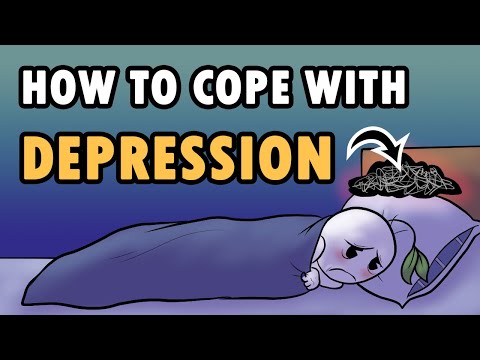
Frustration depression, huh? Yeah, it’s a thing. You know that feeling when you’re just stuck? Like, nothing you do seems to work out?
It can hit hard. One minute you’re fine, and the next, everything feels heavy. I’ve been there.
Maybe you get frustrated with yourself, your job, or even those little things that just pile up. It’s like trying to swim with weights strapped to your ankles.
But let me tell you: you’re not alone in this. Seriously, so many of us struggle with it. And talking about it can help take some weight off your shoulders.
So, here we go! Let’s dig into what frustration depression is and how we can tackle it together!
Effective Strategies to Overcome Frustration and Beat Depression
Frustration and depression can feel like they’re holding you hostage, right? You wake up some days feeling like you’re in a fog, just dragging your feet through life. It’s tough, but there are some strategies that can really help you navigate through this challenging time.
First off, let’s talk about identifying triggers. What frustrates you? It could be work stress, personal relationships, or even just the chaos of daily life. Keeping a journal might help. Just jot down moments when you feel that creeping frustration. Seriously, it’s like shining a light on those pesky shadows.
- Practice mindfulness: This means being present without judgment. It’s not always easy but focusing on your breath for a few minutes can really clear your head. You sit there, take deep breaths in and out, and before you know it, your thoughts are a bit less jumbled.
- Physical activity is huge: Ever notice how after a good walk or workout, things don’t seem so bleak? Endorphins from exercise work wonders for mood. You might even try dancing around your living room like nobody’s watching.
- Create realistic goals: Sometimes we set ourselves up for disappointment with those lofty expectations. Break things down into small steps. Accomplishing even tiny goals can boost your mood and make frustrations feel lighter.
- Talk it out: Seriously—don’t underestimate the power of sharing what’s on your mind with someone you trust. Whether it’s friends or family, sometimes just saying it out loud helps lighten the load.
- Establish routines: A sense of structure can provide comfort during rocky times. Try to keep regular sleep patterns and meal times; these simple acts stabilize your day-to-day life.
Now, it’s essential to acknowledge how you feel about all this stuff too! When my friend Sara was struggling with frustration depression, she felt completely defeated with her job situation but found solace in expressing herself through art. She painted her feelings instead of bottling them up!
Letting go is another biggie. Holding onto past grudges or mistakes can keep that frustration alive and kicking. Try forgiveness—not for them but for yourself! It frees up mental space to focus on what truly matters in the now.
You might also consider seeking help from a professional if things get too heavy to manage alone—therapy isn’t just for crises! Sometimes simply having someone guide you through coping strategies makes all the difference.
An important thing to remember? Be gentle with yourself during this process! Recovery isn’t linear; there will be ups and downs along the way. Embracing small victories is essential; they add up over time into something really substantial.
Mental health journeys are deeply personal and unique to each individual. Whatever path you take toward overcoming frustration and depression is valid as long as it leads you toward healing!
Effective Strategies to Overcome a Depressive Episode and Boost Your Mental Health
Depressive episodes can hit you like a ton of bricks, and battling through frustration depression is tough. You might feel stuck, hopeless, and just plain worn out. It’s really important to know there are ways to tackle this. Let’s unpack some effective strategies that could help you boost your mental health and get back on track.
First off, recognizing your feelings is super crucial. When you notice you’re feeling off, like when everything feels heavy and nothing seems fun anymore, take a step back. Acknowledge that it’s okay to feel this way. Seriously, it’s part of being human.
Another great strategy is to get moving. Exercise might sound cliché at this point, but trust me on this one! Even a short walk outside can do wonders. Like, when I went for a walk during one of my rough patches, I felt a bit of that weight lift off my shoulders just from some fresh air and sunlight.
Also, consider connecting with others. Reaching out to a friend or family member can be a game changer. Share how you’re feeling—it helps so much to not bottle things up. You might find that just talking about your struggles makes them feel less overwhelming.
Meditation or mindfulness practices are worth exploring too. They help ground you in the present moment and can reduce anxiety that often tags along with depression. I remember trying guided breathing exercises on my phone during particularly stressful days; they helped calm the chaos swirling in my mind.
Another tip involves setting manageable goals. When you’re in a low phase, it’s easy to think big—like wanting to run a marathon or change careers overnight—but focusing on small tasks can provide some relief. Start with something simple; maybe aim to do one chore around the house each day or read a chapter of a book you’ve been meaning to pick up.
And hey, don’t underestimate the power of good sleep habits. Sleep impacts mood more than many realize! Try creating a bedtime routine that calms your mind—putting away screens and maybe reading something light before bed helps signal your brain it’s time for rest.
A lot of people also find it helpful to keep track of their thoughts. Writing in a journal can be therapeutic; jot down what you’re feeling without judgment. Sometimes getting those thoughts out onto paper makes them seem less daunting.
Of course, if these strategies don’t seem enough after giving them an honest shot, reaching out for professional help is totally valid! Therapists are there for exactly these tough moments—like having someone by your side guiding you through the storm.
In summary, tackling frustration depression is no small feat but employing these strategies can make a big difference in how you navigate those murky waters. Take care of yourself—seriously! Your mental health deserves attention just like any other aspect of life does.
Understanding the Frustration Game: Strategies to Manage Stress and Enhance Emotional Well-Being
Frustration is a part of life, and let’s be real, it can hit hard. Sometimes it feels like the universe has a personal vendetta against us. You might be doing everything right, but then bam! Everything just goes wrong. That leads to what some folks call “frustration depression.” It’s when feeling frustrated turns into deeper emotional distress.
So, how do you tackle this frustration game? Well, first things first, acknowledging your feelings is crucial. Just saying, «Hey, I’m frustrated!” can make a world of difference. It’s like shining a light on that dark spot.
Next up, expressing your emotions is key. Bottling up all those feelings? Not the best idea. Talk to someone you trust or even write it out in a journal. And hey, it’s okay to vent sometimes! Just getting it off your chest can lighten the load.
Another strategy is mindfulness. This one’s all about being in the moment without judgment. When you find yourself spiraling into frustration, take a second to breathe deeply and ground yourself. Seriously, just three deep breaths can help center your thoughts and calm that racing heart.
Setting realistic goals also helps manage that frustration monster lurking around. If you try to take on everything at once? Yeah, you’re asking for trouble! Break tasks down into smaller steps and celebrate those little wins along the way—it’s like treating yourself without needing an occasion!
Sometimes physical activity can really boost your mood too. A walk in nature or even a quick dance break at home? Game changers! It releases those feel-good hormones called endorphins that brighten your day.
Don’t forget about self-care. Take time for activities that bring you joy or relaxation—whether that’s reading a book or enjoying a warm bath—and don’t feel guilty about it! You’re not being selfish; you’re investing in your well-being.
Finally, don’t hesitate to reach out for help if things get too heavy. Talking to a mental health professional isn’t just for when you’re feeling terrible; it’s also super helpful when navigating frustrating times.
So yeah, managing that frustration game is all about balance and self-awareness. By recognizing how you feel and figuring out strategies that work for you, emotional well-being becomes more achievable every day. Remember: you’re not alone in this journey—everyone feels frustrated sometimes!
Frustration depression—it’s like being stuck in a tight spot, you know? Imagine waking up one day and feeling this weight on your chest, like you’ve lugged around a backpack filled with bricks. You’re not just dealing with regular frustration. It’s that deeper sense of helplessness that makes you feel stuck in quicksand.
One time, I remember chatting with a friend who’d just lost his job. He was seriously frustrated—not just about the job loss itself but because it felt like every door was slamming shut in his face. You could see the change in him; he became quiet and withdrawn, almost like a shadow of himself. That frustration morphed into this fog of sadness that hung around him constantly—a perfect example of how frustration can evolve into something heavier.
Now, let’s be real. Frustration is part of life. We all have those days when things don’t go according to plan—like when your coffee spills everywhere right before an important meeting. But when those feelings pile up day after day, they can quickly turn into a more significant issue. You might feel hopeless or overwhelmed by everyday tasks that used to seem manageable.
So why does this happen? Well, frustration triggers our fight-or-flight response. If we constantly feel thwarted by life’s little hiccups—like slow internet or traffic jams—it can build up and lead to feelings of worthlessness or despair over time. It’s kind of mind-boggling how our brains work, isn’t it?
Connecting with others can help lighten that load a bit. It’s super easy to burrow into isolation when you’re feeling down, but sharing what you’re going through—even if it feels awkward—can shift the heaviness just a little bit. Maybe it means grabbing coffee with a friend who gets it or even talking to someone who knows how to help professionally.
Finding ways to express your frustrations creatively is another outlet that often works wonders! Whether it’s journaling, drawing, or blasting your favorite tunes and dancing like nobody’s watching—those moments can lift some weight off (even if it’s temporary). Seriously, sometimes you’ve gotta let loose!
So yeah, navigating through this whirlwind isn’t easy at all; it’s often messy and complex! But recognizing those feelings as valid—and understanding that they can shift—is the first step toward lifting yourself out from under that heavy backpack of frustration depression. And hey, don’t forget: you’re definitely not alone in this struggle!