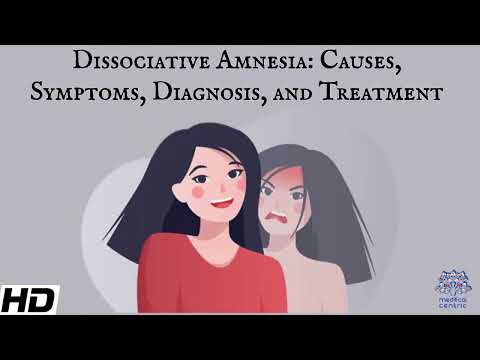
Alright, so, fugue state. Super weird stuff, right? Imagine waking up one day and having no clue who you are or where you are. Sounds like something out of a movie, but it happens for real.
When someone hits a fugue state, they just kinda… check out mentally. It’s like your brain decides to take a little holiday without telling you. But what makes this happen? Well, that’s where it gets interesting.
You might think it’s all just stress or trauma, but oh boy, there’s more to the story. So let’s chat about what can trigger this odd mental getaway and what it means for someone’s mental health overall. You with me?
Understanding Constant Dissociation: Causes, Symptoms, and Solutions
Dissociation is one of those things that can feel really confusing. Basically, it’s when you’re disconnected from your thoughts, feelings, or sense of identity. If you’ve ever felt like you were watching your life happen from the outside—like a movie—you might be experiencing dissociation.
Constant dissociation can lead to a fugue state. This is where someone suddenly travels away from home or forgets their past life. Imagine waking up one day in a new city with no idea how you got there; that’s kind of what it feels like. It’s more common than you think, especially among folks who have experienced trauma.
So, what causes this? There are a few main triggers that can send someone into a fugue state:
- Trauma: Major life stressors like abuse, accidents, or disasters can trigger dissociative episodes.
- Stress: Ongoing stress from work, relationships, or even financial issues can wear you down and contribute to dissociating.
- Mental Health Disorders: Conditions such as PTSD (Post-Traumatic Stress Disorder) or severe anxiety are often linked with dissociative symptoms.
You may wonder why our minds do this at all. Well, dissociation can be a way our brain protects us. It sort of puts up walls around pain, allowing us to function despite overwhelming emotions. It’s like turning down the lights during a scary movie—you don’t want to see everything but still want to get through it.
Now let’s chat about the symptoms. Constant dissociation isn’t just about feeling spaced out; there’s more going on:
- Mental Fog: You might find it hard to concentrate or remember things.
- Lack of Emotion: Sometimes people feel numb and detached from their feelings.
- A Sense of Unreality: Life may start to feel surreal—like you’re living in a dream.
Imagine sitting at dinner with friends but feeling completely disconnected from the conversation. You’re there physically, but mentally? Not so much.
If this sounds familiar, don’t worry too much; there are ways to deal with constant dissociation:
- Therapy: Talking things out with someone trained can help you process what’s going on in your mind.
- Meditation and Mindfulness: These techniques encourage being present and grounded in reality.
- Coping Strategies: Finding ways to manage stress every day—like exercise or hobbies—can lower your chances of dissociating.
You know how some people keep a journal? That can also help! Writing down feelings helps solidify them instead of letting them float away.
Connecting with others who understand similar struggles makes the whole journey easier too. Community support is huge when dealing with mental health issues.
In short, while constant dissociation and fugue states can be unsettling and scary experiences, understanding them better makes them less daunting. If you or someone you care about is going through this, know that help is out there—and talking about it is a solid first step!
Understanding the Diagnosis of Psychogenic Fugue: Key Insights and Steps
Psychogenic fugue is one of those conditions that can sound a bit strange, right? Basically, it’s when someone suddenly loses their sense of identity and ends up in a different location without remembering how they got there. It’s not just wandering off; it’s more like your brain is trying to escape from something really overwhelming.
Causes of fugue state often relate to intense stress or trauma. Imagine going through a severe life event—like a divorce or losing a loved one. Your mind might just go “Whoa, I can’t deal with this!” and switch to survival mode. It’s almost like hitting the reset button, but in a way that can be super alarming for both you and your loved ones.
Another thing to note is that fugue states aren’t just random disappearances. They’re usually tied up with other mental health issues too—like depression, anxiety, or PTSD. So if you’ve experienced trauma in the past, it may increase the likelihood of having a fugue episode.
Diagnosis can be tricky because doctors need to rule out other causes first. They might ask about your medical history, do some tests, or even talk to family members who can fill them in on what’s happened before the episode. You know how sometimes people freak out at the idea of talking about their feelings? That’s totally normal! But being open about what you’ve gone through can really help.
When someone is diagnosed with psychogenic fugue, treatment options often involve therapy—especially trauma-informed therapy that helps uncover and process whatever has caused that emotional flight response. A therapist will work with you on techniques like grounding exercises or mindfulness practices to help you stay present.
If you’re curious about the steps involved after a diagnosis, they usually follow this flow:
- Assessment: The clinician gathers all relevant info.
- Treatment Planning: Based on what’s uncovered, they’ll create a tailored plan.
- Therapy Sessions: Regular sessions aim at processing trauma and developing coping strategies.
- Support Systems: Involving family or friends in treatment may provide additional support.
- Evolving Strategies: As progress is made, adapting approaches may be necessary.
Recovering from something like psychogenic fugue isn’t an overnight thing. It takes time! And it’s okay if it feels overwhelming sometimes—seriously! You’re not alone in this.
In the end, understanding psychogenic fugue means recognizing how powerful our minds are when faced with stressors we can’t handle head-on. Your experiences matter. Healing is possible with the right support and time!
Understanding the Connection Between Stress and Dissociative Fugue: Can Stress Trigger Memory Loss?
Stress and dissociative fugue, huh? That’s a pretty intense combo. So, let’s break it down. You may have heard of dissociative fugue before, but if not, it’s basically a state where someone loses their sense of personal identity and might wander off or forget significant parts of their life. It can be pretty confusing and scary for the person experiencing it.
Now, stress is like this sneaky little monster that can really mess with your head. Imagine you’ve been piled on with work, family drama, and just life in general—it’s like trying to juggle five balls while riding a unicycle—eventually, something’s gotta give. This overwhelming stress can sometimes lead to dissociative states, including fugue.
So how does stress trigger memory loss? Well, here are some key points:
You know, I once read about someone who experienced severe work-related stress and suddenly found herself in another city without any memory of how she got there or why she even left home—totally a fugue state moment! It sounds unbelievable but it just shows how stress affects our brains in profound ways.
Now let’s talk about the different types of stress that could lead up to this situation:
Both types can contribute to dissociative episodes if they pile up enough.
And here’s another thing: the experience of trauma plays a significant role too. Have you noticed how people react differently to traumatic events? For some folks, those experiences are so harrowing that they detach from their reality entirely as their way of coping.
But hey, not everyone under extreme stress will end up experiencing this kind of memory loss—it’s all about individual differences in resilience and coping strategies.
So yeah, **the connection between stress and dissociative fugue** is real! Stress definitely has the potential to trigger memory loss by overwhelming the brain’s normal functioning and leading individuals into protective dissociative states. It’s wild how our minds work sometimes!
Fugue state, huh? It’s one of those rare mental health experiences that feels like it’s straight out of a movie plot. Imagine waking up and not having the faintest idea of who you are or where you came from. That really hits hard. There’s this feeling of being lost, which is so unsettling.
So, what causes this? Well, the thing is, fugue states often pop up as a response to intense stress or trauma. Think about it: when life throws us some serious curveballs—like losing a loved one, experiencing abuse, or going through a major life change—it can shake us to our core. Sometimes, it’s as if our minds hit a reset button to protect us from that emotional fallout.
I remember this story about a friend who went on a road trip after a tough breakup. He drove aimlessly for days without really thinking about why he just needed to escape everything around him. When he finally returned home, he felt like he was coming back to a life that wasn’t his anymore; it was surreal for him, like watching someone else live your life on screen. That disconnect? It’s similar to what people might experience in a fugue state.
But there are more layers here too. Neurological factors can be at play—like previous head injuries or certain types of seizures—making things even trickier. And then there’s the role of mental health conditions such as dissociative disorders or post-traumatic stress disorder (PTSD). For some folks, dissociation can be their way of coping with overwhelming feelings; they sort of check out mentally when things get too heavy.
In any case, fugue states remind us just how complicated and incredible our brains can be. They’re not just blank slates—they’re trying to protect us in ways we might not fully understand until much later down the line. It’s such an intricate dance between our experiences and our minds’ attempts at self-preservation that makes every person unique in how they handle trauma or stress.
So yeah, when you think about fugue states and their causes, it’s pretty mind-boggling how we navigate life’s ups and downs differently—sometimes even losing ourselves along the way but hopefully finding our way back too!