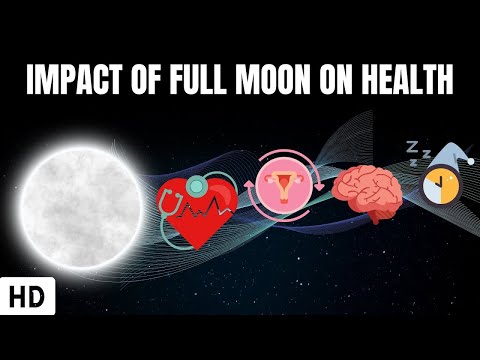
Hey! So, let’s chat about something kinda quirky. You know how people are always talking about the moon? Like, “Oh, it’s a full moon tonight! Hold onto your hats!”
Well, turns out there’s some belief that the full moon can mess with our minds, especially if you’ve got bipolar disorder. Sounds a bit out there, right?
But no kidding—there are folks who swear they feel different when the moon shines its brightest. Is it just a myth or is there some truth to it?
Let’s unpack this together and see what’s going on with our moods and the lunar cycle. You in?
Exploring the Connection: Do Full Moons Influence Bipolar Disorder Symptoms?
It’s funny how a big glowing moon can spark all kinds of theories, right? You might have heard whispers about the full moon affecting all sorts of things, including our moods. But when it comes to bipolar disorder, is there really something to this cosmic connection? Let’s break this down.
First off, what’s going on with **bipolar disorder**? It’s a mental health condition that causes extreme mood swings, from manic highs to depressive lows. During these episodes, people might feel energized and euphoric—or seriously low and lethargic. Those shifts can sometimes be triggered by various external factors.
Now, about the full moon. There’s been a ton of chatter about whether it makes symptoms worse for people with bipolar disorder. Some studies suggest that certain cycles of the moon could impact mood stability. But here’s where it gets tricky: most scientific evidence is pretty sketchy on this.
- Moon Phase Studies: Some small studies have tried to link full moons with increased hospital visits for psychiatric issues. However, other research shows no significant connection.
- Personal Experiences: Many individuals swear they feel different during a full moon — like their emotions are more intense or their sleep is disrupted.
You know how sleep plays a massive role in mood regulation? A lot of folks report that they struggle to catch quality z’s during a full moon. And if you’re someone with bipolar disorder, that lack of sleep could definitely stir up your symptoms.
Let me tell you about my friend Alex. He has bipolar disorder and seriously notices changes around the time of the full moon. One night he couldn’t sleep at all; he felt restless and agitated—almost like he was bouncing off the walls! The next day, he spiraled into an intense depressive episode that lasted for days. For him, those lunar cycles seem to play a part in his emotional rollercoaster.
But while some people say they feel more energetic or anxious during the full moon, others don’t notice any change at all. It’s super individual! So you’ve got personal experiences against scientific research here—what’s the takeaway?
The thing is, if you’re managing bipolar disorder and notice your moods shifting with the phases of the moon—or any external factor for that matter—keeping track through a journal can be helpful. This way you can bring it up in sessions with your therapist or psychiatrist.
And hey, it’s essential to not get too wrapped up in lunar lore when dealing with mental health challenges. You want to focus on tried-and-true treatments like medication and therapy instead of relying solely on astrological explanations.
All in all, while there’s no solid consensus on whether full moons directly influence **bipolar symptoms**, listening to your body and maintaining open channels with your healthcare providers will always be key—lunar cycles included!
Optimizing Sleep: The Best Sleep Schedule for Managing Bipolar Disorder
Managing sleep is a big deal when it comes to bipolar disorder, right? Sleep patterns can really impact your mood. And if you’re dealing with the ups and downs of bipolar, it’s even more crucial to find a sleep schedule that works for you.
First of all, let’s talk about the full moon. A lot of research suggests that some people with bipolar disorder might notice their symptoms getting worse around this time. It sounds kind of wild, but changes in light exposure can mess with our circadian rhythms. So, keeping your sleep schedule steady can really help.
Now, what does an ideal sleep schedule look like? Here are some important points to consider:
And here’s where it gets personal: my buddy Sam has been living with bipolar disorder for years now. He found that sticking to his sleep schedule helped minimize his mood swings significantly. When he goes off track—like during bright full moons—it throws him for a loop! It’s a constant reminder how sensitive our brains can be.
Also, don’t forget about napping. Short naps can be refreshing but keep them under 30 minutes! Longer naps might leave you feeling groggy and confused about when you should be up.
If you’re having trouble even after trying these tricks? Seriously consider chatting with a therapist or psychiatrist who understands bipolar disorder well. They might suggest things like cognitive-behavioral therapy (CBT) tailored towards sleep issues or medication adjustments if needed.
At the end of the day, managing your sleep isn’t just about feeling rested; it’s crucial for emotional stability too! You want to keep those ups and downs as balanced as possible, so paying attention to how and when you sleep could make all the difference in handling your symptoms effectively.
Understanding Full Moon Effects: Exploring Depression and Anxiety During Lunar Phases
The full moon has a long history of fascination and mystery. You’ve probably heard stories that people behave differently when the moon is full. Some folks even say it’s linked to feelings of anxiety or depression. But, like with a lot of things in mental health, it’s not that simple.
Some studies suggest that people do experience shifts in mood around the full moon. You might feel more restless or irritable during this time, right? Well, some researchers think it could be related to changes in sleep patterns. The bright light from the full moon might mess with your sleep quality. And let’s be real: when you don’t sleep well, it’s tough to keep your mood steady.
Bipolar disorder is another area where lunar phases seem relevant. Individuals with bipolar disorder often experience extreme mood swings—from high-energy manic episodes to deep depression. Some studies indicate that there might be an uptick in manic episodes during a full moon phase. So if you know someone with bipolar disorder, they might notice they feel more energized or agitated around this time.
But here’s the kicker: while there have been some correlations found in research, they’re not exactly conclusive. Science hasn’t really pinned down why these effects happen. For instance, a study from 1985 found no real evidence linking lunar cycles to increased psychiatric admissions or crises. Yet other smaller studies hint at some connections between lunar phases and mood changes.
Environmental factors can play a huge role too. Think about how many people gather outside for festivities on a full moon night. That social aspect can impact feelings of loneliness or anxiety! Plus, if you’re out and about enjoying the bright night sky, it can shift your focus away from negative thoughts—definitely something worth mentioning!
You may also want to consider how cultural beliefs influence feelings during this period. In some cultures, the full moon is celebrated and associated with positive energy and healing rituals—so if you see people hyping up the full moon as a mystical time for transformation, they’re tapping into those traditions.
So basically, while there are interesting connections between the full moon and our mental states—especially for conditions like bipolar disorder—it’s not cut and dried. People react differently based on their unique experiences and situations.
To sum up:
- The full moon may influence mood changes.
- Sleep disruptions could play a role.
- Bipolar disorder patients might feel manic symptoms more during this phase.
- Cultural beliefs can shape how people perceive these effects.
In the end, if you find yourself feeling extra anxious or down during the full moon—just know you’re not alone! It might not always mean something serious is going on; sometimes it’s just life happening against the backdrop of that big ol’ glowing orb in the sky.
You know, the full moon has this fascinating history of being linked to all sorts of wild behaviors and emotional ups and downs. It’s really interesting when you think about it. I mean, like, when the moon is full, some people might feel more energetic, while others can experience a rollercoaster of emotions. This connection can be especially pronounced for folks with bipolar disorder.
So imagine someone named Sarah, who has bipolar disorder. On a regular day, she feels pretty stable—maybe a little up or down here and there, but nothing too crazy. Then suddenly, it’s a full moon night. She looks out her window and sees that big bright ball in the sky shining down on her. And just like that—bam! Her mood starts shifting like crazy.
During those nights, Sarah might feel this intense burst of energy. It’s exhilarating at first; she cleans her house from top to bottom and then decides to call up friends for an impromptu party. But then, just as quickly, that wave of excitement can flip into anxiety or irritability. The joy turns dark before she even realizes it’s happening.
Research actually shows that for some people with bipolar disorder or other mood disorders, the lunar cycle can mess with their moods in unpredictable ways. It’s not universal; some people say they don’t notice anything different at all. But it’s kind of wild when you think about how even something as far away as the moon could impact our emotions here on Earth.
So if you’re someone living with bipolar disorder—and even if you’re not—it might be worth keeping track of how you feel during full moons. Whether it’s just a quirky coincidence or something more profound, knowing your body and mind are sometimes in sync with these natural patterns can be super empowering.
In a way, it reminds us how interconnected we are with nature—even if it’s just through phases of the moon! So next time there’s a full moon shining bright outside your window, take a moment to check in with yourself and see what you’re feeling. You just might find there’s more to it than meets the eye!