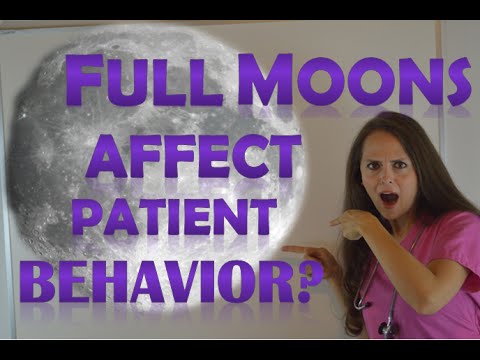
So, have you ever noticed how a full moon kinda makes everything feel different? Like, maybe you’re a bit more emotional, or your friends are acting a little off. You’re not alone in feeling that way.
It’s been around forever, people talking about the moon and how it messes with our heads. Seriously, there’s this weird vibe when it’s full.
Some folks swear they can feel the energy shift. And the thing is, psychology has some ideas about all this.
Let’s dig into how the moon might just be pulling on those heartstrings of yours!
The Impact of Full Moon Phases on Human Behavior: Unraveling the Psychology Behind Lunar Effects
The full moon has held a sort of magical allure for centuries, right? People often talk about how it can impact human behavior—think wild nights, strange moods, and even weird crimes. But what’s the real deal here? Let’s break it down.
First off, there are myths and cultural beliefs tied to the full moon that stretch back through history. Many cultures viewed it as a symbol of change or transformation. Ever heard someone say “the moon made me do it”? Well, that idea is deeply rooted in our stories and traditions.
However, when we look at the scientific side of things, there’s a mixed bag of evidence. Some studies suggest that there might be a connection between the full moon and human behavior. For example,
Others have found no significant changes in things like sleep patterns or hospital admissions.
Let’s talk about something called the lunar effect. This is basically the idea that lunar cycles can influence behaviors. Some folks claim there’s an uptick in emergency room visits or unusual crimes during the full moon. Just picture a summer night where everything feels more electric; sometimes people can be extra rowdy or emotional under its glow.
But here’s where it gets interesting: our own expectations can play a big role too. If you believe that the full moon will make you feel crazier than usual, you might actually start to notice those feelings more—like a self-fulfilling prophecy. You know how when you’re looking for something specific, your brain kind of zeroes in on it? It’s similar with moods.
Now think about social influences—when everyone around you is talking about “moon madness,» you might pick up on that energy without even realizing it! That collective mindset can shape how we perceive our own emotions and actions during this time.
Another angle to consider is biological rhythms. Our bodies follow natural cycles just like the moon does. Some researchers believe these could affect everything from hormones to sleep patterns, which might lead to heightened emotions around full moons.
And let me tell you a little story: I remember chatting with my friend Sarah one night around a bonfire when the full moon was shining bright. She mentioned she always felt more creative and inspired during these times; she’d whip out her sketchbook and start doodling under the light! It’s kind of fascinating how personal experiences can shape one’s view on lunar influence.
In summary, while there are some claims about how full moons affect behavior, it’s clear that psychology plays a huge role too—from myths and beliefs to social influences and biological factors. Whether it’s magic or just our minds at work is still up for debate! So next time there’s a full moon out there lighting up the night sky, remember—it could just be another night…or maybe something more!
Exploring the Lunar Effect: How Full Moons Influence Mental Health and Well-Being
There’s something about a full moon that really captures our attention, isn’t there? Whether it’s that big, bright orb lighting up the sky or just the folklore surrounding it, many people feel like their mood or behavior shifts during these lunar phases. So, let’s chat about the whole “lunar effect” thing and how it ties into mental health.
First off, the **lunar effect** refers to the belief that various phases of the moon, especially full moons, can influence our behavior and mental states. Some folks swear they feel more emotional or restless when the moon is at its peak brightness. But what’s going on scientifically here? Well, research has been pretty mixed.
Some studies did suggest an increase in incidents of certain behaviors during full moons. For example:
That said, other research didn’t find any significant links between full moons and changes in mood or behavior. It seems like while many people report feeling different during this time, science hasn’t really nailed down a solid connection yet.
Then there’s the **psychological** aspect of this lunar lore. Think about it: if you believe something will affect your mood—like a full moon—it might actually do just that! This is called the **placebo effect**, where your expectations can lead to real changes in how you feel.
Now, here’s where it gets personal. I remember a friend who always claimed she could feel when a full moon was approaching. She’d get anxious and restless leading up to it. Strange coincidence? Maybe not! Her belief in the lunar power played into her emotional state more than anything else!
Plus, there are those myths and stories that have circulated for ages about people acting wild under a full moon—think werewolves! This storytelling might add to how we perceive these nights as being somehow special or out of control.
Another angle is sleep disturbances. A **full moon** can disrupt sleep patterns too! Some studies indicate that people might have less REM sleep during this phase compared to other times of the month. And if you’re not sleeping well? That’s bound to mess with your mood and overall mental health.
So basically, while there isn’t clear-cut evidence tying full moons directly to mental health changes for everyone, it’s clear that belief and individual experiences play huge roles here.
At the end of day, tuning into your body and mind when these celestial events happen could offer insights into your own emotional rhythms—even if direct science is still catching up! Just remember: whether it’s true or not isn’t nearly as essential as how these beliefs impact our lives and feelings.
Next time you spot that luminous ball in the sky, take a moment to check in with yourself—who knows what you might discover?
The Impact of Full Moon Phases on Brain Activity and Mental Health: Exploring the Connection
So, let’s chat about this whole full moon thing and how it might connect to brain activity and mental health. You’ve probably heard folks say that a full moon brings out the crazies, right? Well, there’s actually a bit of a mixed bag when it comes to what research says about this.
First off, some studies do suggest there could be a link between lunar phases and our mood. For example, people often report feeling more emotional or restless during the full moon. But here’s the kicker: scientific evidence isn’t super solid—it’s kind of all over the place.
- Sleep Disruption: During a full moon, some people find it hard to sleep. Research has shown that sleep quality can dip during this time. If you’re tossing and turning all night, you wake up cranky. That can definitely affect your mood.
- Increased Emergency Room Visits: There are anecdotal reports of more emergency room visits or serious accidents happening around a full moon. Some researchers think that maybe people feel bolder or impulsive when the moon is full!
- Mood Disorders: For those with mood disorders like bipolar disorder or anxiety, some believe that lunar cycles can amplify symptoms. It might be due to changes in sleep patterns or just heightened emotions during this phase.
- Behavioral Changes: There are stories from police officers and mental health professionals who claim that they see more unusual behaviors around full moons. It’s kind of like there’s a general buzz in the air—people getting into arguments or acting out.
One interesting thing is that our ancestors probably connected the lunar cycle with changes in their environment—like hunting patterns or tides—which could explain why we still hold onto these beliefs today.
But don’t just take my word for it; perceptions matter too! Emotional experiences tied to things like the full moon can feel very real even if they aren’t scientifically proven. Like when I went camping with friends one summer, we were convinced we saw way more shooting stars on nights with a bright moon—and I swear we all felt more alive those nights!
So basically, while some folks may feel “off” during a full moon, it doesn’t mean everyone will experience intense changes in their brain activity or mental health. The connection isn’t clear-cut, and personal experiences really play a huge role here.
In short? We’re still exploring this fascinating topic—science is always evolving! So if you find yourself feeling quirky on those bright nights, hey, you’re not alone! Just remember to take it all with a grain of salt; moods can change for so many reasons outside of just lunar influences.
You know, there’s something kind of magical about a full moon, right? I mean, you’ve probably caught yourself staring up at it, feeling all sorts of emotions bubbling up. Some people even say they act differently when the moon is full. You might’ve heard stories about wild behavior or intense moods during those nights—like, everyone suddenly turning into werewolves or something! Okay, maybe not quite that dramatic, but it’s still an interesting topic.
So here’s the thing: psychology does sprinkle in some research on how our moods can be influenced by celestial bodies. While it’s not exactly mainstream science—more like a fun side note—it does make you think. There’s this idea called the «lunar effect,» where some studies suggest that when the moon is full, people might experience more anxiety or sleepless nights. Like how during one study done ages ago, crime rates and emergency room visits seemed to spike when the moon was at its brightest.
Now you might wonder: Is it just a coincidence? Or could it be that whole mind-body connection? When we see a beautiful full moon in the sky, maybe it reminds us of something deeper—like wanderlust or nostalgia—and that can totally shift our mood. I remember one night last summer, sitting outside with friends under a huge full moon. We talked about life and dreams for hours. It felt electric! But there was also this tension hanging in the air; several people got all emotional and teary-eyed outta nowhere.
The mind can play tricks on us too. If you expect to feel different during a full moon—because you’ve heard stories or felt it before—you might just make yourself feel that way again. It’s like a little self-fulfilling prophecy!
On top of that, sleep disturbances are really common during this time. A lack of good rest can seriously mess with your mood and outlook on life. You ever had one of those nights where you’re tossing and turning while peeking out at that bright light? Not fun!
But here’s what’s cool: whether or not you believe in these lunar effects, taking a moment to reflect under a full moon can still be powerful—just concentrating on your thoughts and feelings brings clarity sometimes.
So yeah, next time you’re out admiring that big ol’ glowing orb in the sky, take note of how it’s making you feel. Whether it’s lifting your spirits or bringing some tears to your eyes, just know it’s all part of being human—and that’s pretty beautiful in itself!