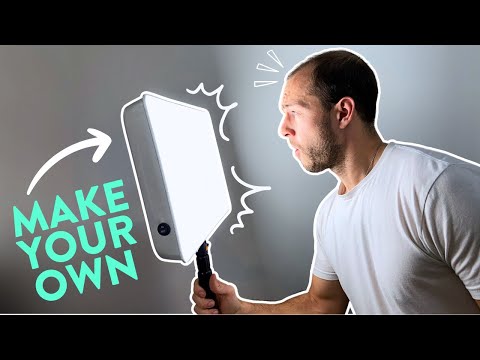
Ever feel like the clouds just won’t let the sunshine in? Yeah, I get it. Those gray days can really take a toll.
So, here’s the deal: full spectrum light might be your new best friend in battling that heavy feeling. It’s kinda like bringing a piece of summer indoors when everything outside feels dreary.
A little light therapy can do wonders for your mood. Imagine soaking up all those bright vibes, even when the weather’s playing tricks on you. It’s not just about chasing winter blues away; it’s more about finding some balance and lifting your spirits.
Anyway, let’s chat about how this works and why it could be a game changer for dealing with depression. You with me?
Exploring the Effectiveness of Light Therapy for Depression: Does It Really Work?
Light therapy, huh? It’s one of those things that sounds a bit out there at first but has some interesting backing when it comes to tackling depression. So let’s break this down and see what it’s all about.
What is Light Therapy?
Basically, light therapy involves sitting in front of a special light box for a certain amount of time each day. These light boxes mimic natural sunlight. The thought here is that, during the darker months, especially in winter, you can miss out on good ol’ sunshine—leading to what’s often called Seasonal Affective Disorder (SAD). But even folks with regular depression might find it helpful.
How Does It Work?
The science behind this thing? Well, the idea is that exposure to bright light affects brain chemicals linked to your mood and sleep. You know how sunlight can make you feel a bit more upbeat? That’s because it boosts serotonin levels—this happy chemical in your brain! Plus, it can help regulate your sleep-wake cycle by influencing melatonin production.
Effectiveness
Research says many people do see improvements with light therapy. A meta-analysis of studies showed that around 60-80% of people with SAD experience relief from symptoms. Even those dealing with non-seasonal depression have reported benefits too.
So what happens during a light therapy session? You typically sit near the box for about 20-30 minutes each morning. Initially, this may seem like a hassle but stick with it; some users say their mood lifts significantly after just a few days of consistent use!
Some Key Points:
- Naturally non-invasive: It doesn’t come with many side effects like medications do.
- A boost for your routine: Creating a daily habit around self-care offers mental benefits.
- If you’re on medication: Check in with your doc first; light therapy might enhance other treatments.
It’s important to note though: not everyone responds to this treatment. Some people might sit there feeling nothing while others rave about its effects. And hey, if you’re not seeing results after several weeks, that’s totally okay too! Just keep communication open with your healthcare provider.
Looking back at personal experiences—a friend of mine was feeling pretty low during the winter months. She tried everything from yoga classes to mood boards but nothing stuck until she gave this whole light therapy thing a shot. Within just two weeks of using her light box every morning while sipping coffee, she began feeling more energized and optimistic about the day ahead!
In summary, while light therapy doesn’t work for everyone and isn’t a full-blown solution for severe depression, it’s an option worth considering if you’re struggling—especially when those gray skies roll in. It can be part of an overall strategy that includes different approaches like talk therapy or medication if necessary.
So if you or someone you know is grappling with those heavy feelings during the drab winter months—or even year-round—maybe give that bright little box some thought! Just remember: it’s all about finding what works best for you on your mental health journey!
Exploring the Effectiveness of Depression Lamps: Do They Really Make a Difference?
Let’s talk about depression lamps. These aren’t just fancy lights sitting on your desk. They’re often called light therapy lamps or full spectrum light lamps, and they’re getting a lot of buzz lately, especially when it comes to managing depression. You might be wondering: do they really work? That’s what we’ll dig into.
So, here’s the scoop. Depression can sometimes be linked to a lack of sunlight exposure, especially in those gloomy winter months. Seasonal Affective Disorder (SAD) is a type of depression that generally hits during fall and winter when sunlight hours are shorter. It’s like your mood drops with the temperature, you know? That’s where these lamps come in handy.
These lamps mimic natural daylight and are designed to provide bright light that can boost your mood. It sounds simple enough, right? But what really happens is that exposure to this bright light can influence chemicals in your brain—like serotonin—improving your mood and giving you more energy.
Researchers have found some interesting stuff about how effective these lamps can be:
- Studies show improvement: Many people report feeling better after using these lamps for about 30 minutes each day.
- Less side effects: Compared to antidepressant medications, which sometimes come with pesky side effects, light therapy is generally well-tolerated.
- Consistency matters: To get the most out of it, you need to stick with it regularly! Skipping days might not give you the results you’re looking for.
Now picture someone named Sarah. She used to feel super down every winter and would just hibernate under her blankets. Then she got herself a depression lamp. After just a couple of weeks using it every morning while sipping her coffee, she noticed a considerable lift in her spirits. She started feeling more motivated and even tackled some projects she’d been putting off forever!
However, it’s not all sunshine and rainbows (pun intended). Here are some things to keep in mind:
- Not for everyone: Light therapy doesn’t magically fix everything; not everyone experiences the same results.
- You should check in with a pro: It’s always smart to talk to a mental health professional before starting any treatment strategy.
- Avoid staring at it directly: Just like with regular sunlight, looking directly at the lamp isn’t great for your eyes!
LED Light Therapy: 5 Groups of People Who Should Avoid It for Optimal Safety
LED light therapy is becoming popular, especially for conditions like depression. It mimics natural sunlight, which can help lift your mood and regulate sleep. But before you jump on the bandwagon, let’s chat about who really should steer clear of it. There are definitely some groups who might want to think twice for their own safety.
1. People with Photosensitivity
If you have a condition that makes your skin or eyes sensitive to light—like lupus or certain types of epilepsy—you might want to skip LED therapy. Exposure could trigger reactions that aren’t just annoying but seriously unsafe. For instance, someone with a history of migraines might find that bright light just turns up the volume on their pain.
2. Pregnant Women
This one’s tricky because pregnancy can already be such a wild ride emotionally and physically. There hasn’t been enough research on how LED light therapy affects pregnancy outcomes or fetal health. If you’re expecting, it’s best to consult with your doctor before trying anything new.
3. Individuals Taking Certain Medications
Some medications can increase sensitivity to light, making LED therapy unwise. If you’re on things like certain antibiotics or anti-inflammatories—and especially if they’re known for causing photosensitivity—then it’s probably time to hit pause and chat with your healthcare provider first.
4. Those With Skin Conditions
Folks battling skin issues like eczema or rosacea should also be careful with this therapy. Bright lights could flare up those conditions instead of helping, which would totally defeat the purpose! Picture trying to treat a sunburned area with more sun—it’s just not gonna work out well.
5. People With Mood Disorders Not Related to Seasonal Patterns
If your depression isn’t tied to seasonal changes (think: winter blues), then you might not see much benefit from this kind of treatment. Sometimes, focusing on more tailored therapies—like talking therapies or targeted medications—might be more effective for you than relying solely on light exposure.
So yeah, while LED light therapy does seem promising for some people looking for relief from depression, it’s essential to consider these factors beforehand. Talking to your healthcare provider can help ensure you’re making safe choices about any new treatments in the mental health toolkit.
So, let’s talk about full spectrum light. You know, that bright, natural light that feels like sunshine? It’s a pretty cool game-changer for dealing with depression. I mean, we all have those days when everything feels gray and heavy. I remember this one winter when it seemed like the sun just forgot to show up. I was dragging myself through the days, feeling a mix of sadness and fatigue. Seriously, it was like my energy just hitched a ride on a train that never stopped.
Now, here’s where full spectrum light came in as this little ray of hope—pun intended! Basically, these lights mimic natural sunlight and can help regulate our mood by influencing our circadian rhythms. They have all the wavelengths of light that you’d find outdoors, which is kinda neat because our bodies really crave that kind of thing.
You might be wondering how this works exactly. Well, researchers think that full spectrum light boosts serotonin levels, the feel-good hormone that helps keep your mood balanced. It’s almost like giving your brain a gentle nudge saying, “Hey! It’s time to wake up and feel good again!”
I’ve heard some folks even use these lights in their daily routine—like sitting by them while sipping coffee in the morning or doing some light reading. Just imagine spending time by one of those lights while you’re flipping through your latest read or journaling about your day—it can turn an ordinary moment into something uplifting.
But hey, it’s not a magic solution; it won’t replace therapy or medication for everyone. Still, for some people dealing with Seasonal Affective Disorder or even just those gloomy blues we all get sometimes—it can be pretty helpful. There’s something about soaking up that brightness indoors when nature isn’t cooperating outside.
In short, if you’re feeling weighed down by depression or just need a little pick-me-up during those darker months, consider giving full spectrum light a shot. It might bring just enough sunshine into your life to help you move forward with a bit more pep in your step!