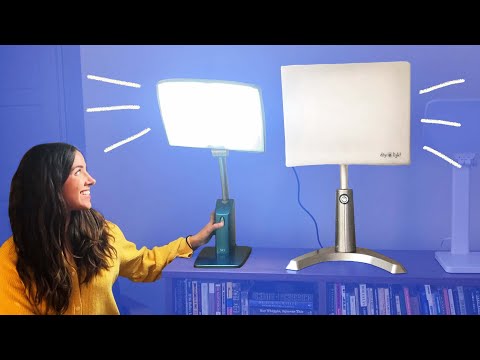
Hey! You know those winter months when everything feels a little gray? Like, the sun just decided to take a permanent vacation?
Well, I’ve got something cool to chat about that could seriously help lift your spirits. It’s all about this thing called full spectrum light.
You might be thinking, “What’s that?” And trust me, you’re not alone! Lots of folks are in the dark—literally! But once you get it, it can feel like sunshine on your face, even when it’s chilly outside.
So let’s dive into how this light can be a game changer for your mood. Seriously, it’s worth knowing about!
Understanding Full-Spectrum Lights: A Natural Solution for Seasonal Affective Disorder Relief
Seasonal Affective Disorder, or SAD, is a type of depression that usually hits when the days get shorter and darker—typically in the fall and winter. It’s like your mood takes a nosedive along with the sunlight. People often feel more tired, sad, or even irritable during these times. You know how gloomy days can just drag you down? That’s a common feeling for those dealing with SAD.
Full-spectrum lights are one solution that people are turning to for relief. These lights mimic natural sunlight more closely than regular bulbs do. The goal is to trick your brain into thinking it’s getting enough light, which can help lift that heavy cloud of sadness.
Here’s what to know about them:
- Types of Light: Full-spectrum lights emit light across the entire spectrum—like the sun does—which can be much more effective than ordinary lamps.
- How They Work: When you sit in front of a full-spectrum lamp for about 20-30 minutes each day, it helps regulate your body’s natural rhythms and boosts serotonin levels—a neurotransmitter that plays a major role in mood.
- Intensity Matters: Look for bulbs rated around 10,000 lux; that’s generally considered effective for treating SAD.
- Timing is Key: Early morning exposure is ideal since it helps set your body’s clock right away. It’s like giving yourself a little sunrise even on dreary days.
- No Harmful UV Rays: Unlike tanning beds, these lights don’t expose you to UV rays, which means they’re safe to use without worrying about skin damage.
Now, I remember a friend who struggled every year with feeling low once fall rolled around. She decided to give full-spectrum lights a try after hearing how others found success with them. At first, she thought it was just another thing that wouldn’t work—if you’re like her, you’ve probably been there too! But after using one daily for a few weeks, she noticed her mood lifting bit by bit. She felt less fatigued and more motivated to tackle her usual hobbies.
Of course, full-spectrum lights aren’t some miracle cure-all. If you’re feeling persistently down or if your symptoms are severe, it’s super important to talk with a mental health professional about what you’re going through.
So yeah, considering full-spectrum lights might be worth it if you’re dealing with seasonal blues! They could provide that little boost of sunshine you really need during those long winter months.
Brighten Your Mood: Effective Ways to Use Light Therapy for Seasonal Affective Disorder
Seasonal Affective Disorder (SAD), often referred to as the winter blues, can really dampen your spirits when the days get shorter and darker. You might feel low energy, increased sleepiness, or even an urge to hibernate until spring. But wait! There’s a light at the end of that gloomy tunnel—literally! That’s where light therapy comes in.
This therapy involves exposure to a special kind of light that mimics natural sunlight. Think of it as a way to trick your brain into thinking it’s getting more sun than it actually is. Pretty neat, huh? The idea is that this boost in light can help regulate mood and improve overall well-being.
So how do you effectively use light therapy, you ask? Here are some ways:
- Choose the right light box: Make sure it filters out UV rays, which can be harmful. Look for one with at least 10,000 lux—a measure of brightness—to be effective.
- Timing is key: Aim for about 20 to 30 minutes each morning. This helps reset your body’s internal clock and kickstart your day.
- Keep a distance: You don’t need to sit super close—around two feet away usually does the trick. Just let it shine on you while you’re reading or drinking coffee.
- Create routines: Consistency matters! Try to use your light therapy at the same time each day so it becomes part of your morning ritual.
Now, let’s say you’re not sure if this will actually work for you. It might help to remember how one friend described their experience: they were feeling sluggish all winter long until they decided to give light therapy a shot. Within a week or so, they noticed they had more pep in their step! Suddenly they felt more motivated and even cracked some jokes that had been missing from their life.
Speaking of friends and family—it might not hurt to involve them in this process too. Light therapy can feel like an isolating experience, but sharing that time with someone else could make it more enjoyable. Maybe both of you can sip on coffee together while basking in that glow!
Of course, everybody’s different; what works wonders for one person might not do much for another. Some folks struggle with SAD but find relief through other avenues like exercise or talking things out with a therapist.
So basically, light therapy gives you an opportunity to embrace the sun even when it’s hiding behind clouds. It combines physical health benefits with emotional lift—all wrapped up in one bright little package! If you’re looking for a mood boost during those darker months, give it a whirl! Just remember to consult with a healthcare professional before starting any new treatment strategy—better safe than sorry!
Exploring the Effectiveness of Seasonal Depression Lamps: Do They Really Work?
Seasonal Affective Disorder (SAD) is something a lot of people deal with, especially when the days get shorter and the weather gets colder. Feeling down or sluggish during these months isn’t just in your head; it’s a real condition. One of the most discussed remedies is seasonal depression lamps, often dubbed light therapy lamps. So, do they actually work?
First off, let’s talk about what a seasonal depression lamp is. These lamps mimic natural sunlight and provide bright light to help lift your mood. The idea behind using them is that when the sun disappears for long stretches, your body can miss out on important light cues that regulate mood and sleep patterns.
Now, how do they come into play? Here are some key points:
- Light Exposure: When you sit in front of one of these lamps for about 20-30 minutes each day, it can help increase serotonin levels. This chemical plays a big role in your mood.
- Real Science: Studies show that regular use can ease symptoms of SAD for many people. Seriously! Research has found that around 60-80% of individuals notice an improvement when using these lights consistently.
- Timing Matters: For maximum benefit, it’s best to use the lamp early in the morning. This aligns better with your body’s circadian rhythm—basically the internal clock that tells you when to sleep and wake.
- Selecting Your Lamp: Not all lights are created equal! Look for tubes emitting at least 10,000 lux (a measurement of brightness). That’s like standing outdoors on a sunny day!
Let me share a quick story here: I once knew someone who struggled every winter with feeling low—like clockwork. They decided to give one of those seasonal depression lamps a shot. At first, they were skeptical but after sticking with it for several weeks, their mood noticeably lifted. They said it felt like waking up from a long nap! That kind of shift isn’t just fluff; it happens because the lights work by engaging those serotonin pathways.
But be aware: while many folks find relief with these lamps, they aren’t a cure-all. Some people might experience side effects like headaches or eye strain if they’re not careful with usage—so pacing yourself is key!
Also worth noting: if you’ve got existing eye conditions or mood disorders beyond SAD, you should definitely check in with your doc before diving into light therapy.
In short? Seasonal depression lamps can be an effective tool for many dealing with Seasonal Affective Disorder. And while they’re not magic wands that solve everything overnight, they can genuinely brighten up those dreary months if used correctly!
You know those winter months when it feels like the sun just packed its bags and went on a long vacay? Yeah, I feel you. It’s like we’re all just walking around in a gray haze. I remember this one winter where I’d come home from work and just feel completely drained, almost like I was living in a never-ending game of hide-and-seek with daylight. That’s when I learned about full spectrum light.
So, what’s the deal with full spectrum light? Well, it mimics natural sunlight, packing in all those good wavelengths – you know, the ones we miss out on when the days are short and gloomy. When you sit under this kind of light, it can really give your mood a jolt. It’s like a warm hug for your brain! Seriously, there’s something magical about feeling that brightness around you.
I started using one of those light therapy lamps at my desk during the day. At first, I thought it was just going to be another gimmick. But wow! The difference was noticeable. Suddenly, work didn’t feel like dragging my feet through molasses every day; it was more like strolling through a field on a sunny afternoon. And honestly? My creativity opened up too.
But it’s not all sunshine and rainbows (pun intended). It’s important to remember that while these lights can help boost your mood, they aren’t a cure-all for more serious issues like depression or anxiety. They can definitely be part of the toolkit though—like that trusty umbrella when you’re caught in an unexpected downpour!
So if you’re feeling the winter blues or just need a little sunshine in your life, consider giving full spectrum light a shot. Just make sure to combine it with other healthy habits—like getting outside when you can or chatting with friends over coffee. Because while these lights are great mood boosters, nothing beats real human connection… or actual sunshine!