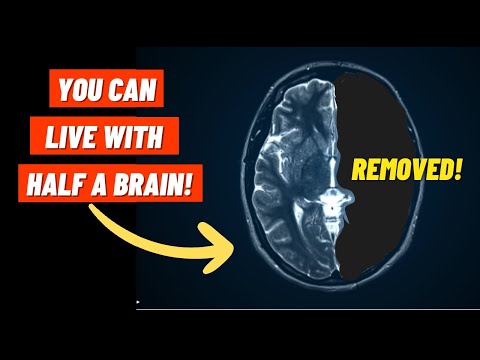
You know how life can throw some serious curveballs at us? Like, one minute you’re just doing your thing, and then boom—something happens that shakes you to your core.
It’s wild how our brains react to those moments. Seriously, they’re always changing and adapting, which is a huge deal when it comes to mental health recovery.
That’s where this whole idea of functional neuroplasticity comes into play. Sounds fancy, but it’s really about how our brains can rewire themselves based on experiences. And let me tell you, that’s pretty empowering stuff!
So let’s chat about what that means for anyone trying to bounce back from tough times. It’s not just about feeling better; it’s about reshaping your brain for the better, too!
Exploring Neuroplasticity: Inspiring Examples of Recovery After Brain Injury
Neuroplasticity is one of those fascinating concepts in psychology that, honestly, makes you rethink how the brain works. It’s like a superhero power your brain has to adapt and change throughout your life. To put it simply, neuroplasticity is the brain’s ability to reorganize itself by forming new connections. This can happen after injuries or through learning new things. Let’s dig into some inspiring examples of recovery after a brain injury.
First off, there’s this amazing story about a guy named John who had a stroke at 45. He couldn’t use his right side at all, and speaking was a struggle. After several months of therapy, he started seeing changes because his brain began to rewire itself. The therapists used movement exercises and speech activities that sparked those neural pathways. Over time, John regained much of his speech and movement abilities—incredible, right?
Another cool example involves kids with traumatic brain injuries. Kids’ brains are naturally more adaptable than adults’. When a child suffers an injury, they often bounce back with the help of targeted rehabilitation efforts. Basically, their brains can shift functions from damaged areas to healthier ones. One child I heard about was able to relearn how to walk and talk after some intense physical therapy sessions focused on helping him regain control over his motor skills.
Then there’s the case of people recovering from concussions or mild traumatic brain injuries (TBIs). These individuals might experience issues like memory loss or difficulty concentrating for months post-injury. Here’s where neuroplasticity shines again—by engaging in cognitive rehabilitation techniques like puzzles or memory games, patients can actually improve their mental functions gradually over time! It’s pretty much like training muscles but for your brain.
Functional neuroplasticity can also help people with mental health conditions—like anxiety or depression—after experiencing trauma or stress. For instance, therapy sessions that focus on mindfulness and cognitive behavioral techniques can create new pathways in the brain that promote healthier thinking patterns. It changes how you respond emotionally, which helps in recovery.
Also worth mentioning is the role technology plays today! With innovations like virtual reality (VR), therapists are finding new ways to encourage neuroplasticity in recovery programs post-brain injury. Imagine someone using VR simulations combined with physical tasks—it sounds futuristic and feels very real! Patients often find themselves improving faster because these tools make rehabilitation engaging and effective.
So there you have it: neuroplasticity is our brains’ way of fighting back after trauma or injury! People like John—and many others—show us that recovery is possible when we lean into this incredible capacity for change our brains possess. Just goes to show how resilient we really are!
Unlocking Recovery: Strategies for Enhancing Adaptive Neuroplasticity in Brain Injury Rehabilitation
Neuroplasticity is a fascinating topic! Basically, it’s the brain’s ability to reorganize itself by forming new neural connections throughout life. This is especially important when it comes to recovering from brain injury. When your brain gets damaged, the idea is that the areas responsible for certain functions can shift and adapt over time. That’s where adaptive neuroplasticity comes in. It’s all about enhancing these changes to help you regain lost skills.
One key strategy is engaging in targeted therapies. Different rehab therapies focus on specific areas of impairment, whether that’s speech, movement, or cognitive functions. For instance, if someone has difficulty speaking due to a stroke, speech therapy doesn’t just help them practice talking again. It also encourages the brain to form new pathways to improve communication.
Another effective approach involves repetition and practice. Repeating tasks can encourage those newly formed connections. You see this a lot with physical therapy for movement recovery. By practicing simple movements over and over — like gripping a ball or lifting your arm — you’re basically telling your brain: “Hey! Let’s build some new roads here!”
Then there’s mental imagery. This might sound a bit out there at first, but imagining yourself performing tasks can be super helpful too. Research suggests that visualizing an action activates similar neural pathways as actually doing it. So if you think about swinging your arm in a certain way during rehab, you might just help those connections grow faster.
Social interaction plays its part as well! Engaging with friends and family can boost motivation and mood — both of which are crucial for recovery. Think about how much easier it is to work through challenges when you’ve got someone cheering you on!
Also, consider the role of mindfulness practices. These are known to reduce stress and anxiety while also improving focus and emotional regulation. Something as simple as meditation or breathing exercises can create a better mental environment for healing.
And don’t forget about nutrition and exercise. What you eat impacts your brain health significantly; nutrients like omega-3 fatty acids found in fish are known to support neuroplasticity. Regular physical activity not only strengthens body function but also encourages growth factors in the brain that promote healing.
In summary, enhancing adaptive neuroplasticity after a brain injury isn’t just about one thing; it’s more like weaving together multiple threads into a strong fabric of recovery strategies:
- Targeted Therapies: Focus on specific functions.
- Repetition & Practice: Build new connections through repetition.
- Mental Imagery: Visualize actions to activate pathways.
- Social Interaction: Motivation from friends helps recovery.
- Mindfulness Practices: Reduce stress and enhance focus.
- Nutrition & Exercise: Fuel your body for healing!
When combining these strategies, you’re boosting your chances of recovery dramatically! Everyone’s journey is unique, yet these elements prove that nurturing our brains post-injury can lead us toward regaining abilities we thought were lost for good.
Top Foods That Boost Neuroplasticity for Better Brain Health
The brain is a weird and wonderful place, right? You know, it’s constantly reshaping itself due to something called **neuroplasticity**. Basically, neuroplasticity is your brain’s ability to change and adapt based on experiences and learning. It’s like your brain’s way of saying, “I got this!” when you learn new things or recover from setbacks. But did you know that what you eat can play a huge role in boosting neuroplasticity? Let’s chat about some foods that can help keep your brain in tip-top shape.
First off, let’s talk about **fatty fish**. Seriously, these guys are the rock stars of brain health. Fish like salmon, mackerel, and sardines are packed with omega-3 fatty acids. These fats are crucial for building brain cells and improving cognitive function. Ever heard of DHA? It’s one type of omega-3 that helps with memory and overall brain performance. So next time you’re at dinner, maybe consider fish instead of that burger.
Next up are **berries**! Blueberries, strawberries—your choice! They’re not just tasty; they’re also rich in antioxidants. Antioxidants help protect your brain from oxidative stress—the culprit behind cellular damage—and they’ve been shown to enhance communication between neurons. Imagine eating a handful of berries while reading a book; it could literally help your brain work better!
Now let’s not forget about **nuts**, especially walnuts! They’ve got a ton of healthy fats and several nutrients that support neuroplasticity. Walnuts contain high levels of DHA too—crazy coincidence? Not really! A study even suggested that eating walnuts may improve cognitive performance in older adults. So next time you need a snack, grab some nuts instead of chips!
Oh! And we can’t skip over **dark chocolate**—yes, the good stuff! Dark chocolate has flavonoids which promote blood flow to the brain. Increased blood flow means more oxygen and nutrients for those busy neurons working hard to make new connections and strengthen existing ones. Plus, it tastes awesome!
Another biggie on the list is **leafy greens**, like spinach or kale. These greens are full of vitamins E and K as well as antioxidants which may slow cognitive decline and boost neuron function as well. So if you’re tossing together a salad or sneaking spinach into your smoothie—score one for neuroplasticity!
Don’t overlook **whole grains** either! Foods like oatmeal or brown rice provide energy for the body—and that includes your brain too! They keep glucose levels steady so you’re not experiencing those annoying energy crashes throughout the day.
Finally, let’s give some love to **fermented foods** such as yogurt or kimchi. These goodies contain probiotics which can impact mental health by influencing gut bacteria—it turns out there’s more connection between your gut and brain than we thought! It’s all about keeping everything balanced.
So here’s what we’ve learned: it doesn’t take rocket science to boost neuroplasticity through food choices! Fill your plate with fatty fish, berries, nuts, dark chocolate, leafy greens, whole grains, and fermented foods; you’ll be giving your brain the love it needs to form new connections and thrive emotionally too.
Just remember: while munching on these foods can definitely help maintain mind health—it’s just one piece of the puzzle in mental wellness recovery through functional neuroplasticity. Keep exploring different strategies alongside healthy eating for an all-around approach!
You know, when you think about the brain, it really is a pretty amazing organ. I mean, it’s not just this hardwired thing that stays the same. It can actually change and adapt throughout our lives, which is where functional neuroplasticity comes in. So here’s the deal: neuroplasticity is the brain’s way of reorganizing itself by forming new connections. And that’s so crucial when we talk about mental health recovery.
Let me tell you about my friend Sarah. A few years back, she went through a tough time with depression and anxiety. It was like her brain was stuck on a loop of negative thoughts and feelings. Therapy helped her start to untangle that mess, but what made a real difference was her ability to create new habits and thought patterns—thanks to neuroplasticity! With time and effort, she learned how to rewire her brain bit by bit.
Think about it: each time she chose to challenge a negative thought or practice mindfulness instead of spiraling into anxiety, she was literally reshaping her brain’s pathways! It’s like laying down new tracks on an old train route. Eventually, those new routes became easier for her mind to travel.
But here’s where it gets even more interesting. Neuroplasticity isn’t just about positive changes; it can also work in reverse. If you’re stuck in chronic stress or trauma responses, your brain can become wired for that too—like being trapped in a cycle you can’t escape from. That’s why recovery often feels so daunting.
The great news is that through consistent practice—whether it’s therapy techniques, meditation, or learning new skills—you have the power to influence your own mental landscape! It might take patience and dedication because change doesn’t happen overnight. But just knowing your brain can shift makes the whole process feel so much more hopeful.
So yeah, functional neuroplasticity plays a massive role in mental health recovery—it’s like giving your mind the tools to rebuild itself stronger than before! And while it’s definitely not magic—it takes work—you totally can do it one step at a time!