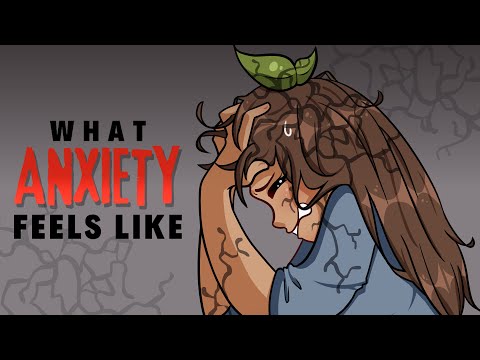
You know that feeling when your stomach feels like a knot? Or like you can’t quite catch your breath? If you’ve ever had those moments of unease, you might’ve brushed it off. But hey, sometimes, it’s more than just a passing thing.
Generalized Anxiety Disorder (GAD) can really mess with your body, not just your mind. It’s like a sneaky thief that steals your peace and replaces it with racing thoughts and weird physical sensations.
Let’s chat about how this all goes down. Those physical symptoms? They’re not just annoying—they can actually change how you feel about everything around you. It’s wild how interconnected our minds and bodies are, right?
So, why do they happen? And what do they mean for your day-to-day life? Stick around. We’ll untangle this together.
Understanding the Psychological Effects of Generalized Anxiety Disorder (GAD)
Generalized Anxiety Disorder, or GAD, is more than just feeling a bit anxious now and then. It’s like carrying around a heavy backpack filled with worries about the future—things like work, relationships, or even daily tasks can feel overwhelming. The psychological effects can be pretty profound.
You know that nagging feeling in your chest? That’s where the physical symptoms come into play, but they can also mess with your mind. People with GAD often find themselves stuck in a cycle of worry that affects their everyday life. So let’s break it down a little.
- Constant Worry: Imagine waking up every day with your mind racing about what could go wrong. That relentless anxiety can lead to irritability and restlessness. You’re always on edge, which makes it tough to relax.
- Difficulties Concentrating: Ever tried focusing on a task when your brain feels like it’s running a marathon? It’s hard! Those racing thoughts can make it nearly impossible to stay on track at work or home; productivity takes a hit.
- Sleep Disturbances: A lot of folks with GAD struggle to fall asleep or stay asleep. Your mind doesn’t want to turn off, leaving you exhausted during the day and even more anxious.
- Avoidance Behaviors: Sometimes the weight of these anxieties leads people to avoid certain situations altogether—like skipping social gatherings or avoiding new experiences. This might feel comfortable at first but usually makes things worse in the long run.
And here’s the kicker: as those physical symptoms show up—like that racing heart or upset stomach—they only add fuel to the fire of anxiety itself. It becomes this nasty feedback loop where you’re anxious about being anxious.
So picture someone named Sarah who has GAD. She has this incessant worry about her job performance and constantly thinks she could get fired. So, she stays late every night working extra hard—but instead of feeling accomplished, she just feels more pressured and exhausted. The fear of failure keeps her awake at night while also sneaking into her day-to-day interactions.
In summary, living with GAD is like juggling—a lot of balls are in the air all at once, but one slip can send everything crashing down. The psychological effects, paired with those pesky physical symptoms, create a challenging landscape for anyone dealing with this disorder.
Recognizing these effects isn’t just important for understanding ourselves; it’s crucial for enabling empathy toward others who may be silently struggling under that heavy backpack we talked about earlier.
This whirlwind of anxiety doesn’t have an easy fix—it’s complex and often needs professional help mixed with personal strategies for managing stress levels. But knowing what you’re dealing with is always the first step toward finding some peace amidst the chaos!
Understanding the Physical Symptoms of Generalized Anxiety Disorder: A Comprehensive Guide
Generalized Anxiety Disorder, or GAD for short, is more than just feeling worried about stuff. It’s like having a constant cloud of anxiety hanging over you, and this can really mess with your body. You see, anxiety isn’t all in your head; it shows up physically too. Let’s break down some of those pesky physical symptoms and how they relate to the psychological side.
Muscle Tension is one of the first things folks notice. Maybe you’ve had that tightness in your neck or shoulders when you’re stressed? That’s not just stress; it’s a common symptom of GAD. Your body thinks it’s always on alert, ready to fight or flee, so it tenses up. This can lead to headaches and even chronic pain if left unchecked.
Anxiety can also mess with your heart rate. When you’re anxious, your heart might race like you just ran a marathon even when you’re sitting still. This happens because your body releases stress hormones that make your heart pump faster. It’s like being stuck in overdrive!
Then there’s sweating. For some people with GAD, even the thought of public speaking can lead to clammy hands and a sweaty brow. This is part of that fight-or-flight response kicking in—even if there’s no real danger around you.
Another biggie is digestive issues. Feeling nauseous or dealing with butterflies in the stomach? Yeah, that’s anxiety talking too! The connection between the brain and gut is strong, which means that emotional distress can trigger stomach cramps or diarrhea.
Let’s not forget about fatigue. It’s exhausting to be constantly anxious! Your mind races all day long and it leaves you drained at the end of it all. You might find yourself just wanting to crash on the couch after a long day filled with worry.
Lastly, there’s something called sleep disturbances. With GAD, falling asleep isn’t always easy because your mind won’t quiet down. You know those nights when you just lie awake thinking? It’s like a hamster wheel in your head. Not getting enough rest only makes everything worse; it’s a vicious cycle!
So here’s the thing: these physical symptoms are not separate from your mental experience— they’re intertwined. When you’re stuck in anxiety mode for long periods, it negatively affects not just how you feel but also how you function every day.
If any of this resonates with you or someone close to you—don’t hesitate to talk about it! Understanding what’s happening physically can be an important step toward feeling better mentally and emotionally too.
The Impact of Generalized Anxiety Disorder on Physical Health: Understanding the Connection
The connection between Generalized Anxiety Disorder (GAD) and physical health is a pretty big deal, and understanding it can really help when you’re trying to make sense of what you’re feeling. GAD is that sneaky little condition where you feel anxious or worried about just about everything, even when there’s no real reason to be. The thing is, this constant anxiety doesn’t just mess with your head; it affects your body too.
When you’re grappling with GAD, your body goes into fight-or-flight mode way too often. You know that feeling when your heart races before a big presentation? Imagine feeling like that all the time! It can cause a whole slew of physical symptoms, like:
- Pounding heart or palpitations
- Muscle tension and soreness
- Tiredness and fatigue
- Sweating more than usual
- Nausea or stomach issues
These symptoms can make daily life feel overwhelming. Picture this: Sarah, a friend of mine, was always stressed about work deadlines. She ended up with awful stomach cramps and headaches all the time. After talking to her doctor, she found out her anxiety was spiraling into physical problems that made things even harder for her.
Now, looking into how GAD impacts physical health sheds light on some serious stuff. Anxiety can increase inflammation in your body—fun times, right? This inflammation could lead to chronic conditions like heart disease over time if not addressed. It’s like your mind is throwing a party where nobody wants to be invited; those stress hormones can seriously wear down your system.
Another interesting point is how anxiety often leads to unhealthy coping mechanisms. You might find yourself turning to junk food, skipping workouts, or relying on alcohol just to manage the feelings instead of dealing with them head-on. And guess what? That makes everything worse! It’s a frustrating cycle where anxiety causes poor health choices that then feed back into more anxiety.
On top of all this, sleep can take a serious hit when you’re dealing with GAD. If you’re tossing and turning at night because your mind won’t shut off—oh man—you’re setting yourself up for more fatigue during the day. Lack of sleep can also impair things like cognitive function and immune response; talk about a double whammy!
So yeah, if you’re experiencing any physical symptoms related to GAD—or know someone who is—it’s totally worth reaching out for support. Whether it’s therapy or simply chatting with a friend who understands, taking steps can help break that cycle between mind and body issues.
In short, the effects of GAD on physical health are both complex and very real! Awareness helps us realize how intertwined our mental state really is with our physical health—something worth paying attention too!
Generalized Anxiety Disorder, or GAD, really messes with both your body and your mind. Imagine waking up and feeling this tightness in your chest, like you just climbed a mountain without even moving. That’s just one of the physical symptoms that can hit you when anxiety is running the show.
You know, for a long time, I thought it was all in my head. But then I realized how much anxiety takes a toll on your body. Your heart races like it’s training for the Olympics, and you might feel shaky or sweaty—like you’ve run a marathon without any of the glory at the finish line. Even simple things like concentrating can feel monumental. It’s like trying to read a book while someone keeps changing the pages around.
The thing is, these physical symptoms are not just annoying; they also feed into your psychological state. When your body feels out of whack, it can amplify feelings of fear or worry. You start thinking: «What’s wrong with me?» or «Why do I feel this way?» And that can spiral into a cycle where anxiety makes you more anxious about being anxious. It’s like being stuck in an endless loop.
I remember this one time when I had to give a presentation at work. My hands were shaking so much that I nearly dropped my notes. My heart felt like it was about to burst out of my chest! Instead of expressing what I wanted to say, all I could focus on was how awful my body felt—like it had betrayed me right in front of my colleagues. The panic built up so high that by the end of it all, even though I’d gotten through the presentation, I felt utterly drained and embarrassed.
So yeah, GAD isn’t just about worrying too much; it’s this complicated mess where your mind and body team up to make life harder than it needs to be. Understanding that connection is key to finding effective ways to manage those pesky physical symptoms while also caring for your mental health. It’s not easy but recognizing what’s happening might help start breaking that cycle—one small step at a time.
Remembering to breathe—like actually focusing on deep breaths—can be super helpful too when you’re feeling those physical manifestations coming on strong. Basically, we gotta treat both sides: our minds and our bodies if we want some peace from GAD’s relentless grip!