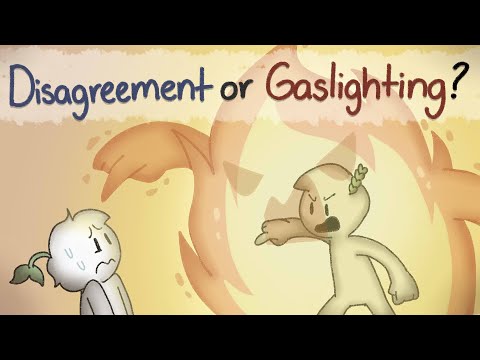
You know that feeling when you start questioning your own memories or thoughts? Yeah, that’s a red flag.
Gaslighting is sneaky and, honestly, it can mess with your head in ways you might not even realize. It’s like living in a constant state of confusion.
You might feel unsure about what’s real and what isn’t. Sound familiar?
In relationships—whether it’s a partner, friend, or family member—this stuff can be especially toxic.
Let’s unpack what gaslighting really looks like and why it matters for your mental health. You deserve to feel grounded and confident in your own reality!
Effective Strategies for Dealing with Gaslighting in Relationships: What to Do if Your Partner Gaslights You
Gaslighting can be a real mind-bender, don’t you think? It’s when someone makes you doubt your own perceptions and feelings. Like when your partner insists something didn’t happen the way you remember it, or they twist your words around to make it seem like you’re being unreasonable. In relationships, this can be really damaging. So how do you deal with this situation? Let’s break it down.
Recognize the signs. First off, it’s crucial to spot gaslighting when it happens. Some common signs include:
Maybe you’ve been in a situation where you felt completely off balance after a conversation with them. That unsettling feeling isn’t just in your head—it’s real.
Keep track of incidents. Consider writing down instances of gaslighting as they occur. This isn’t about obsessing but rather creating a record that helps validate what you’re feeling. You could jot down details about specific conversations or situations that made you feel uneasy. When everything is laid out on paper, it might make things clearer for you.
Talk to someone who understands. It’s super important to find allies—friends or family who can lend an ear without judgment. Sharing your experiences can help reinforce that you’re not imagining stuff or reacting too strongly. If there are people who’ve noticed similar behaviors, their perspectives might help solidify what you’ve been experiencing.
Set boundaries. You’ve got every right to define what’s acceptable and what’s not in how you’re treated. It might be uncomfortable initially, but let them know if their behavior is hurting you. A simple yet firm statement like “I need to talk about how we communicate” can be powerful.
But here’s the catch: if they react defensively or dismissively, that’s telling too! It’s easier said than done, though; standing up for yourself takes courage.
Consider therapy.’ If things feel overwhelming, chatting with a mental health professional could really help clarify your experience and give strategies tailored to your situation. They can offer insights that friends might not have and assist with emotional healing.
Trust yourself. In a gaslighting situation, it’s vital to remind yourself that you know what you’ve experienced, even if others try to rewrite the narrative for you. Engage in activities that ground you—like journaling or mindfulness exercises—to keep connected with what feels true for you.
So when it comes down to handling gaslighting in relationships? Recognizing what’s happening is half the battle; then it’s all about communicating effectively and leaning on support systems for strength as needed! Remember: your reality matters.
Effective Strategies to Disarm a Gaslighter: Reclaim Your Truth and Empower Yourself
Gaslighting can be a real mind-bender, can’t it? It’s that sneaky form of manipulation where someone tries to make you doubt your own reality or feelings. You know, when they twist things around until you’re questioning if you’re the crazy one. Recognizing this behavior is the first step in reclaiming your truth and empowering yourself.
Know Your Reality. The thing is, trust yourself. If you feel something is off, it probably is. Keep a journal of your thoughts and feelings. Write down events as they happen. This helps create a record you can refer back to when the gaslighter tries to distort reality.
Set Boundaries. Seriously, boundaries are crucial! You need to communicate clearly what behavior you will and won’t accept. If they dismiss or belittle your feelings, that’s a huge red flag. Be firm if they cross those lines—like, “I won’t tolerate being spoken to that way.”
Use “I” Statements. When confronting someone who gaslights you, frame your feelings in terms of how their actions affect you rather than attacking them directly. For example, instead of saying «You always twist my words,» try saying «I feel confused when our conversations go this way.» It’s less confrontational but still gets your point across.
Find Support. Surround yourself with people who get it—friends or family who affirm your experiences and validate your feelings can be a lifeline. Share what’s happening with them; not only does it help to talk about it, but it also reinforces that you’re not alone in this crazy-making experience.
Avoid Engaging. Gaslighters thrive on drama and conflict. Sometimes, just refusing to engage can throw them off their game. If they say something outrageous or try to provoke you, giving ‘em nothing can be surprisingly powerful.
When I think about this whole gaslighting thing, I remember my friend Sarah’s experience. She was dating someone who would constantly twist her words and make her feel like she was overreacting about everything—from little things like being late for dinner to bigger issues like discussing future plans. It got to the point where she doubted her own sanity! But once she started recognizing these patterns and talking about them with trusted friends, she found her voice again.
Of course, there might be moments when all this feels overwhelming—and it’s okay to seek professional help if needed! Therapists can provide strategies tailored just for you.
In wrapping up all this advice… finding clarity in situations twisted by gaslighting takes time and patience with yourself. Trusting your instincts again is a powerful step towards reclaiming who you are—and remember that every step counts toward feeling empowered in your own life!
Understanding Gaslighting: Key Traits of Individuals Who Manipulate in Relationships
Gaslighting is a term that gets thrown around a lot, and honestly, it’s super important to understand what it really means. Basically, gaslighting is a form of emotional manipulation where someone tries to make you doubt your own perceptions or feelings. It can be super damaging in relationships because it erodes your trust in yourself.
Key Traits of Individuals Who Gaslight
So, what are some telltale signs of someone who might be gaslighting you? Well, here are a few key traits:
- Denial: They flat-out deny things that you know happened. Like, if you remember an argument clearly and they claim it never happened. It’s frustrating and confusing.
- Distorting Reality: They twist the truth or bring up completely unrelated events to dodge accountability. Imagine being blamed for something minor while they bring up an old mistake from years ago!
- Constant Criticism: You find yourself constantly being criticized for your feelings or reactions. This can make you feel like you’re overreacting, even when you’re just being human.
- Projection: They project their behaviors onto you. If they’re cheating or lying and accuse you of being untrustworthy, it can leave you reeling. Like, how did we get here?
- Isolation: They try to cut off your support systems—friends and family—making you rely solely on them for validation. It feels like isolating fog creeping in around you.
More on Gaslighting Behavior
Now let’s dig a bit deeper into the behavior patterns that accompany gaslighting. People who manipulate often use tactics that keep their partner feeling unsure of themselves.
For instance, they might use emotional blackmail. You know the kind? They play on your fears or guilt to get what they want. So if they say something like “If you loved me, you’d do this,” it’s manipulative.
Another classic is using confusion as a weapon. They might go back and forth with their stories or change their narratives entirely just to keep you guessing about what really happened.
A Personal Anecdote
I once knew someone who was in a relationship with a guy who would constantly change the story about an argument they had last week. One minute he’d say she was too sensitive; the next, he’d act like he never said anything at all! She felt like she was losing her mind because she started questioning her memory and emotions—it really messed with her mental health.
It’s tough because gaslighting can take many forms and isn’t always easy to spot at first glance. At times it may seem harmless but slowly chips away at your confidence.
In case you’re feeling lost right now: if any of this sounds familiar or resonates with your experience, it’s always important to talk to someone trustworthy about it—like friends or even mental health professionals.
Recognizing gaslighting is the first step toward breaking free from its hold. Remember: trusting yourself is key! Your feelings matter; don’t let anyone tell you otherwise!
Gaslighting can feel like being trapped in a house of mirrors. You know something’s off, but every time you start to see things clearly, the reflection shifts and changes. Honestly, it can be a real mind-bender. You think you’re losing your grip on reality when someone close to you keeps denying your feelings or experiences, twisting everything into something it’s not.
You might not even realize it at first. Maybe you’re having a rough day and share how you’re feeling with your partner. Instead of support, they say things like, «You’re overreacting,» or «That never happened.» Over time, those little comments eat away at your confidence. I remember talking to a friend who seemed so vibrant and strong. But after months with this guy who kept dismissing her thoughts and feelings, she started to second-guess everything—her memories, her judgments even her worth.
Recognizing gaslighting isn’t always straightforward; it sneaks up on you like a shadow creeping closer in the dark. But here’s the thing—you have every right to feel what you feel. If someone keeps pushing back against your reality, that’s a red flag waving in front of your face. It’s crucial to trust your instincts and know that your emotions are valid.
You might start feeling anxious or constantly confused about what’s real. This can lead to bigger issues down the line, affecting not just your relationship but also how you see yourself and your mental health overall. When someone else controls the narrative about your life—it’s exhausting!
Taking stock of those interactions is key: How often do you find yourself apologizing for how you feel? Are they refusing to acknowledge valid points? Look for patterns; they matter more than one single incident.
And if this resonates with you at all? That gut feeling could be trying to tell you something important—like maybe it’s time for some distance or for a serious chat about boundaries and respect in that relationship.
It’s brave to confront these feelings head-on—it shows strength. Remember that mental health is intricately tied to how we’re treated in our relationships. Surround yourself with people who lift you up instead of tearing you down because everyone deserves that kind of support!