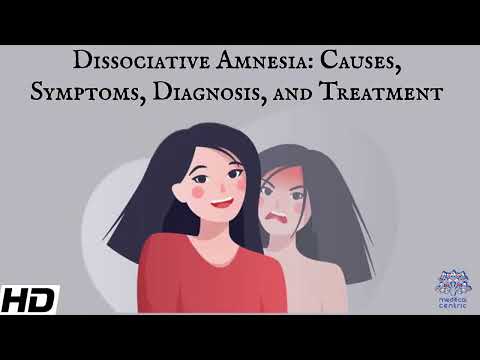
Hey! So, let’s talk about something kinda wild: generalized amnesia. Yeah, it’s one of those things that sounds like it belongs in a movie, right? But it actually happens in real life.
Imagine waking up one day and not remembering who you are or what your favorite pizza topping is. That’s a jolt, right? It can really mess with your head and also has some surprising effects on your mental health.
We often think of memory as this super solid part of us, but when you lose it, everything feels off-balance. You might feel lost or even like a stranger in your own life. Let’s dig a little into how this weird condition connects to our mental well-being and what it really means for people dealing with it.
Understanding Amnesia: How Memory Loss Impacts Daily Life and Relationships
Amnesia can be a pretty confusing subject. You might imagine it as some dramatic moment in a movie where someone just forgets everything. But, like, real-life amnesia is way more complex than that. When we talk about generalized amnesia, we’re referring to a type of memory loss where you forget not just specific events but huge chunks of your life. It’s not just names or faces; it’s sometimes whole experiences!
When someone is dealing with generalized amnesia, it can seriously change how they function every day. Imagine waking up and not knowing where you are or who the people around you are. That could totally throw off your morning routine, right? Everyday tasks can feel overwhelming. You might struggle to remember basic things like how to get to work or even what to make for breakfast.
Now, let’s chat about relationships—this one hits hard. Memory loss can create a massive distance between you and your loved ones. Picture this: your best friend has shared countless memories with you, but suddenly, you don’t recognize them like you used to. Or maybe your partner is sitting right next to you, but you can’t remember the little moments that made your relationship special. That absence of shared experiences creates tension and confusion.
Feeling lost doesn’t just stop at memory lapses either—it brings up some intense emotions. People with generalized amnesia often experience feelings of frustration and sadness because they crave those connections and memories they’ve lost. It’s heartbreaking when they want to share stories or bond over past experiences but can’t do so anymore.
But there’s another side to this that’s important too: the ways in which therapy can help people cope with amnesia’s effects on daily life and relationships. **Therapeutic approaches** often focus on rebuilding lost connections through storytelling, journaling, or even art therapy. Each method helps individuals explore their identities beyond their memories.
Also, family support is crucial here! Families can really step up by being patient and understanding while loved ones navigate this difficult road together. Communication becomes key—openly discussing feelings about memory loss can help everyone involved feel more connected despite the challenges.
Helping those with generalized amnesia may take time—like getting back on track slowly—but moving forward is possible! They might never recover every single memory, but creating new ones together is something friends and families can definitely do!
So yeah, understanding how **generalized amnesia** impacts daily life isn’t just about forgetting names and places; it digs deep into emotional health too—not only for the person experiencing it but for everyone around them as well. Memory loss changes everything—it’s a big deal for those who live through it every day!
Exploring the Impact of Memory Loss on Mental Health: Key Insights and Strategies
Memory loss can be a tough topic, especially when it comes to conditions like generalized amnesia. When you think about it, memory is such a core part of who we are. It shapes our experiences, our identities, and how we connect with others. So when someone starts losing their memories, it’s not just a few forgotten names or missed appointments—it can shake the very foundation of their mental health.
Generalized amnesia refers to the inability to recall important personal information. We’re talking serious gaps in memory that often come out of nowhere. This can lead you to feel confused or even scared. Imagine waking up one day and not remembering your friends, family, or even what you love doing. It’s like being dropped into a new life without any clue about how you got there.
This kind of memory loss can seriously affect your mental health in various ways:
- Identity Crisis: You start questioning who you are if the memories that define you are gone. It’s unsettling and can lead to feelings of anxiety and depression.
- Fear and Anxiety: Not knowing what might trigger another memory loss episode creates a constant state of worry which isn’t fun at all.
- Social Isolation: If you can’t remember people or events, you might start avoiding social interactions altogether. That makes it super easy to feel alone.
- Lack of Trust: You may begin to doubt yourself and your reality. It’s hard to trust yourself when your brain seems to be playing tricks on you.
- Difficulty with Daily Life: Forgetting important details can disrupt work or relationships. It’s tough when basic tasks feel overwhelming.
Here’s the thing: dealing with generalized amnesia isn’t just about trying to remember; it’s also about taking care of your mental health through this challenging time.
One effective strategy is therapy—like cognitive-behavioral therapy (CBT). This approach focuses on helping you understand how thoughts affect feelings and behaviors. For example, having someone guide you through processing those fears around memory loss can really help ease anxiety.
Another helpful technique is keeping a journal or using visual aids like pictures or videos. These tools could help jog memories or even create new ones that reflect current experiences instead of relying solely on the past.
Lastly, don’t underestimate the power of support from family and friends. Talking openly about what you’re experiencing allows others to understand how best they can help which in itself aids emotional healing.
So yeah, while generalized amnesia poses significant challenges that impact mental health deeply, there are strategies out there! You’re not alone in this journey; many people deal with similar issues and find ways to cope effectively!
Understanding Generalized Amnesia: Causes, Symptoms, and Treatment in Psychology
So, let’s talk about generalized amnesia. Basically, this is a memory condition that freaks people out. It’s not just forgetting where you put your keys; it’s way deeper than that. People with generalized amnesia struggle to recall important personal information, and sometimes, it’s like their past just vanished into thin air.
What causes it? Well, there are a few reasons why someone might experience this kind of amnesia:
- Stressful Events: Major trauma or stress can lead to an emotional response that blocks out memories. Imagine someone going through a tough breakup or witnessing something really distressing. Their mind may just shut down those memories to protect them.
- Physical Injury: Head injuries or brain trauma can mess with memory functions. Think of it like when your computer crashes and you lose files—sometimes the brain just can’t retrieve the data.
- Mental Health Issues: Conditions like depression or anxiety can play a role too. If your brain’s busy dealing with overwhelming feelings, it might forget some of the details about your life.
The symptoms? Oh boy, those can vary quite a bit. Someone with generalized amnesia may not remember their name, where they live, or even key moments in their life. They might feel lost in their own skin, like they’re living in a movie without knowing the plot.
Anecdote Time: Picture this: Sarah was going through a rough patch at work and suddenly one day she couldn’t remember her job title or what she did on weekends with friends. It was super scary for her! At first glance, you might think she was just stressed out, but literally everything about her past felt clouded over.
Now let’s talk treatment. The thing is, since generalized amnesia often ties back to other issues—like trauma or stress—the approach can vary:
- Therapy: Talking it out can work wonders! Therapies like cognitive-behavioral therapy (CBT) aim to help individuals process what they’re going through and slowly piece back those memories.
- Medication: Sometimes doctors will prescribe medications to manage underlying issues like anxiety or depression which could be contributing to memory loss.
- Support Systems: Friends and family are key in recovery! Having someone there to remind you of who you are can significantly aid in regaining vital memories.
In short? Understanding generalize amnesia is complex but super important for mental health. It’s about more than losing memories; it’s intricately tied up with emotions and life experiences! So if someone you know seems a bit lost due to memory issues, encouraging them to seek help could make all the difference.
So, let’s chat about generalized amnesia. This is one of those terms that sounds super clinical, right? But basically, it’s when someone has trouble remembering stuff because of some psychological stress or trauma, rather than a physical injury to the brain. Imagine waking up one day and feeling like you sort of don’t know who you are or what your life has been like. That’s got to be a whirlwind.
I remember a friend sharing their experience with something similar. They went through some really intense stuff—like a bad breakup and losing their job all at once. After all that chaos hit, they suddenly found themselves having these blackouts about their past—important memories just… poof! Gone. Talk about disorienting! They felt lost. It wasn’t just the memories; it affected everything: their relationships, self-image—it even got in the way of them going out with friends because they were terrified of not remembering common stories or experiences.
Now, generalized amnesia can create this weird space where the person feels isolated. Picture sitting at a party where everyone is reminiscing about shared experiences while you just nod along like you’re part of it but inside you’re thinking, «What are they even talking about?” That disconnect can lead to depression and anxiety—like a nasty cycle that’s hard to break.
The real kicker is that sometimes people might not even realize it’s amnesia affecting them. They might think they’re just forgetful or maybe they label themselves as confused or out-of-touch. It’s important for folks to understand that it’s not a character flaw—it’s legit brain stuff reacting to tough situations.
Therapeutic approaches often incorporate strategies aimed at helping individuals slowly piece together their narratives again, maybe through journaling or support groups where shared experiences can reignite those lost memories in a safe space. It’s all about rebuilding that sense of self over time and learning how to cope with everything that comes along with it.
So yeah, generalized amnesia isn’t just about forgetting things; it’s this complex emotional journey that deeply affects mental health and how we connect with others—and man, that’s heavy stuff!