Have you ever had one of those days where you can’t recall something important? Like where you left your keys or even a conversation from last week? It can be super annoying, right?
Now, imagine that but on a whole other level. That’s what generalized amnesia is like. You forget tons of stuff—like your past, names, places—everything. It sounds unreal, but it happens.
People dealing with this are often scared and confused. And honestly, who wouldn’t be? Let’s unpack it together and try to make sense of what’s going on in that tangled mess of memories—or lack thereof!
Understanding the Causes of Generalized Amnesia: Key Insights and Explanations
Generalized amnesia can feel pretty unsettling, not just for the person experiencing it, but also for their loved ones. Basically, it’s when someone loses a significant amount of memories about themselves or their life events. And it’s not just a case of forgetting where you put your keys!
So, what causes this condition? Well, it’s often related to psychological stress or trauma. For instance, let’s say someone goes through a major life event – like surviving an accident or losing a loved one. The brain sometimes decides to “protect” the person by blocking out those painful memories to help them cope with the overwhelming emotions.
Another angle to consider is **neurobiological factors**. Changes in brain chemistry can play a huge role here. If the brain experiences trauma or extreme stress, it might actually alter neural pathways that are involved in memory formation and retrieval. Imagine trying to reach for something in a dark room; sometimes those pathways just get blocked.
Here are some key points about generalized amnesia:
- Psychological Trauma: As mentioned earlier, serious emotional stress can trigger this type of amnesia.
- Neural Changes: The brain might physically change due to trauma, impacting how memories are processed.
- Mental Health Conditions: Disorders like PTSD and depression can influence memory and could lead to generalized amnesia.
- Coping Mechanism: Sometimes forgetfulness acts as a defense mechanism against unbearable memories.
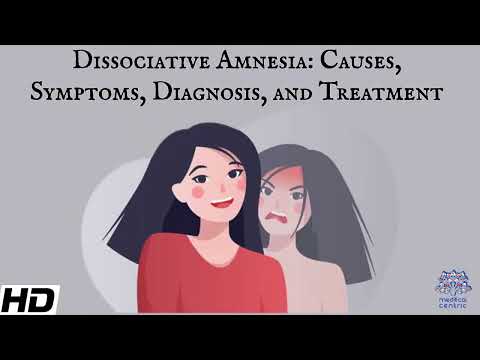
There’s also something called **dissociative amnesia**, which overlaps with generalized amnesia but has its own characteristics. This is often linked to traumatic experiences as well but may be more about disconnecting from reality when faced with distressing emotions or memories.
It’s important to remember that no two cases are exactly alike – everyone’s experience is unique. Like my friend who suddenly couldn’t remember anything from his childhood after going through an intense breakup; his mind was working overtime to shield him from pain.
And while understanding the causes is crucial, recovery can be equally complex! Approaches like therapy tend to focus on gradually uncovering those lost memories and helping individuals process them in a safe space.
In short, grasping why generalized amnesia happens helps us see the bigger picture of how our brains work under pressure. What makes sense amid all these complexities is that our minds are doing their best to help us cope with life – even if it doesn’t always feel that way.
Understanding Systematized Amnesia: Causes, Effects, and Treatment Options
Systematized amnesia is a pretty complex topic, but let’s break it down. Basically, this type of amnesia involves losing specific memories associated with particular events or experiences. Unlike generalized amnesia, where you might forget large chunks of your life, systematized amnesia is more targeted. It’s like having holes in your memory where certain memories just don’t exist.
Causes of systematized amnesia can range from psychological trauma to serious emotional distress. For instance, if someone has gone through a traumatic event—like an accident or abuse—they might block out memories related to that event as a way of coping. It’s not uncommon for folks to remember everything else but the painful parts, almost like their brain is trying to protect them from hurt.
Now, let’s talk about the effects. Living with systematized amnesia can be really challenging. You might find yourself confused or struggling to understand why you feel a certain way about something without knowing the backstory. This can affect relationships too. Imagine trying to connect with someone who mentions shared experiences that you have no recollection of; it can be awkward and isolating.
When it comes to treatment options, there are a few avenues worth exploring:
- Therapy: Talk therapy can be super helpful. Therapists often use techniques like cognitive-behavioral therapy (CBT) or EMDR (Eye Movement Desensitization and Reprocessing) to help process those repressed memories and feelings.
- Support Groups: Sometimes connecting with others who have had similar experiences can provide comfort and understanding.
- Medication: While there’s no specific medication for amnesia itself, treating underlying conditions—like anxiety or depression—can improve overall mental health.
Every person’s experience with systematized amnesia is unique. Some might find recovery fast with the right support while others may take longer due to various factors like personal history or the severity of their trauma.
In short, while systematized amnesia can feel isolating and confusing, there are ways forward through therapy and support systems designed to help navigate these murky waters. You’re not alone in this—you’ve got options!
Understanding Localized Amnesia: Causes, Symptoms, and Coping Strategies
Localized amnesia is like that weird spot in your brain that just shuts off, blocking out specific memories while leaving everything else intact. Imagine you’ve gone through a traumatic event, like a really bad car accident. Your mind might decide, “Hey, we’re not dealing with this right now,” and just erase those memories related to the event. Pretty wild, huh?
Causes of localized amnesia often stem from trauma or stress. It’s not uncommon for people to forget parts of their life during intense emotional situations. Your brain does this as a protective measure. Sometimes it can also be linked to psychological disorders, especially anxiety or depression.
Symptoms are pretty straightforward but can be pretty unsettling. You might remember who you are and what you did yesterday, but anything related to that specific traumatic experience could be totally blank. You may find yourself confused or frustrated when someone mentions the event and you can’t recall anything about it at all.
Now coping with localized amnesia isn’t always easy but there are some strategies that might help:
- Talk It Out: Finding someone you trust to talk about your feelings can help ease anxiety.
- Journaling: Writing can spark some memories or help process your thoughts.
- Grounding Techniques: These techniques help keep you connected to the present moment when the past feels overwhelming.
- Seek Professional Help: Therapy is incredibly beneficial; professionals can guide you through your experiences.
Consider Sarah’s story: After a car crash left her shaken up, she realized she couldn’t remember the moments just before the collision. The confusion and frustration were tough for her; she felt lost during conversations about it with friends and family. But she decided to see a therapist and started journaling her emotions instead of focusing strictly on the lost memory. That process helped her gain clarity, even about things unrelated to the accident.
It’s important to understand that while localized amnesia can be distressing, you’re definitely not alone in this experience. Many people navigate through similar challenges and come out stronger on the other side.
So remember: if something feels off in your memory or if you’re facing strong emotions tied to certain events, reaching out for support isn’t just okay—it’s a smart move!
So, general amnesia, huh? It’s one of those topics that can really make your head spin. Imagine waking up and not having a clue about who you are or what’s happened in your life. That sounds terrifying, right? Seriously, it’s a real challenge for anyone experiencing this.
Let me tell you about a friend of mine. She was in a car accident and, for a while, she couldn’t remember anything from her past—like the faces of her family or even her favorite songs. She’d sit there, looking at old photographs with this blank stare. It was heartbreaking to see someone so lost in their own skin.
Navigating generalized amnesia isn’t just about those lost memories; it’s also about the emotions tied to them. Memories shape our identities—who we are and how we relate to the world around us. I mean, think about it: without memories, how do you connect with people? You lose all those shared experiences you’ve had over the years.
Treatment for general amnesia can be tricky too. Some folks get therapy to help rebuild those connections, while others might need time and space before they start remembering on their own. That patient process can feel like an emotional rollercoaster—ups and downs every day.
And here’s the kicker: sometimes people actually recover memories gradually; like pieces of a puzzle slowly coming together. Other times? They might not regain anything at all and have to create new paths in life with whatever memory exists now.
Amnesia is way more than just forgetting things; it’s about rebuilding identity and finding ways to cope in a world that suddenly feels foreign. It makes you reflect on how precious our memories are—you know? So hold onto them tightly because they make us who we are!