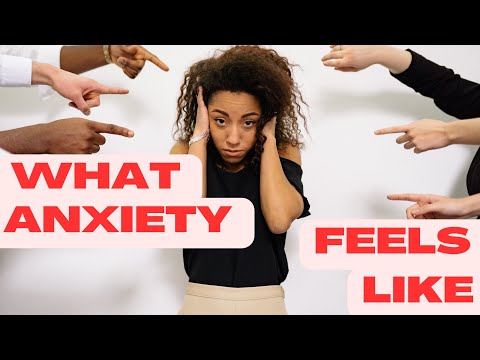
You know that feeling when you’re just, like, all wound up? Heart racing, mind spinning? Yeah, that’s anxiety knocking on your door.
Generalized Anxiety Disorder, or GAD for short, is a sneaky little beast. It hangs around like an unwanted guest at a party. You think you’re fine, and then bam! It hits you with worries about everything—work, health, relationships—you name it.
It’s exhausting. Seriously. You might feel like you’re constantly preparing for the worst-case scenario. And sometimes, you’re not even sure why you feel this way.
Let’s unpack some signs of GAD together. Because recognizing it can be the first step to tackling it.
Understanding Generalized Anxiety Disorder: Key Signs and Symptoms to Recognize GAD
Generalized Anxiety Disorder, or GAD for short, can feel like an uninvited guest that just won’t leave. You know? It creeps in and hangs around, making everything seem heavier. For anyone dealing with GAD, it’s often more than just the occasional worry; it’s a constant undercurrent of anxiety that affects daily life.
Key signs of GAD include persistent worrying about various aspects of life. You might find yourself stressing about work, health, family, or even small things like what to eat for dinner. It’s like your brain has its own never-ending news cycle playing on repeat. For instance, let’s say you’re running late for a meeting. Instead of just being worried about that moment, you might spiral into thoughts like “What if I get fired?” or “What if my boss thinks I’m lazy?”
Now, let’s break down some common symptoms.
- Excessive worry: This isn’t just typical worrying; it’s overthinking and anticipating the worst case in any scenario.
- Restlessness: You might feel on edge or unable to relax. Even when you have time to chill out, like watching a movie with friends, you can’t shake that feeling.
- Tiredness: The mental gymnastics of constant anxiety can be exhausting! You may feel drained even after a full night’s sleep.
- Difficulties concentrating: It could be hard to focus on tasks because your mind keeps racing through all those worries.
- Irritability: Little things might set you off more easily when you’re anxious—all that built-up tension needs an outlet!
- Physical symptoms: Headaches, stomachaches, or muscle tension often come along for the ride with GAD.
Imagine being at a family gathering where everyone is laughing and having fun—yet in your head, there’s this nagging voice telling you something could go wrong at any moment.
Many people don’t realize how common GAD is. It affects millions across the U.S., yet it often goes unrecognized because those living with it learn how to hide their anxiety well. They may appear calm but inside there’s this storm brewing.
If you’ve been nodding along while reading this, don’t hesitate to reach out for help. Finding a therapist who understands GAD can make all the difference: talking things out can bring some relief and clarity.
So remember: recognizing these signs is the first step towards feeling better! You’re not alone in this battle—there are people who understand and can help you cope with all that noise in your head.
Understanding the Key Symptom of Generalized Anxiety Disorder: What You Need to Know
Generalized Anxiety Disorder, or GAD, is like that heavy backpack you just can’t seem to shake off. You know, the one that’s filled with worries about everything from work deadlines to family issues? So many folks deal with this daily. Let’s break down what this really means.
The key symptom of GAD is excessive worry. We’re talking about worrying more than what’s typical in life. It’s not just the occasional anxious thought; it’s constant. If you’re stressing about your job performance, relationships, health, or even the state of the world—like, all at once—it could be a sign of GAD.
But here’s the thing: it’s not just about feeling anxious occasionally. This worry is persistent and hard to control. You might find yourself losing sleep over it or constantly feeling on edge. It’s exhausting! Like, you could be at a party, trying to enjoy yourself, while your brain’s running a million miles an hour thinking about that deadline next week.
There are also physical symptoms that tag along with those mental ones. Many people experience:
- Tension headaches
- Muscle tension
- Fatigue
- Dizziness
- Pounding heart
You might be wondering how this plays out in real life. Maybe you’re sitting in a meeting and suddenly your hands are clammy and your heart is racing for no clear reason—yikes! Seriously, these physical symptoms can hit hard and make things feel worse.
The difficulties with concentration can also play a huge role in how anxiety impacts everyday life. You might find it hard to focus on tasks because your mind keeps drifting back to those worries. And that cycle? It can feel never-ending! You finish one task only for another worry to pop into your head.
Anecdotally speaking, I had a friend who dealt with GAD but didn’t realize what was happening until she saw a therapist. She would stress over little things like forgetting an appointment or what others thought of her outfit choices—not big deals by themselves but they piled up quickly! The relief she felt knowing it had a name was immense.
If you’re recognizing these signs in yourself or someone else, don’t hesitate to reach out for help. Talking things through can make such a difference! Understanding these symptoms is just the first step towards managing them better and finding some peace of mind.
Understanding the Key Symptoms of Generalized Anxiety Disorder: A Comprehensive Guide
Feeling like your mind’s a never-ending hamster wheel? Yeah, that’s what Generalized Anxiety Disorder (GAD) can feel like. With GAD, you might find yourself worrying about stuff that seems totally ordinary. It’s like your brain is constantly on alert, and that can be exhausting.
So, what are the key symptoms of GAD? Well, lets break it down:
The tough thing is these symptoms don’t always show up all at once; they can fluctuate in intensity from day to day. Picture this: you’re gearing up for a big presentation at work. The night before? You’re tossing and turning because you’re replaying every possible “what if” scenario in your head.
And it doesn’t stop there—what makes GAD particularly overwhelming is how it can start to interfere with daily life. Functions we often take for granted—like hanging out with friends or going to work—become daunting tasks when anxiety has its grip on you.
But look—it’s important to know you’re not alone in this struggle! Many people face these same battles every day. If any of this resonates with you or someone close to you, reaching out for help isn’t weakness; it’s strength.
Understanding these symptoms is just the first step toward managing them effectively. And remember: acknowledging something is half the battle won! Whether through therapy, support groups or medication—options are available if and when you’re ready for them.
Take care of yourself; seriously—it matters!
You know, anxiety is such a sneaky little thing. One minute you’re just going about your day, and the next, your mind’s like a hamster on a wheel, racing around with worries that seem to come out of nowhere. That’s kinda what Generalized Anxiety Disorder (GAD) feels like for many people.
So let’s talk symptoms for a sec. You might notice you’re always feeling restless or on edge. Like, even when everything’s fine, there’s this nagging feeling that something’s not right? It can mess with your sleep too. Either you can’t shut off your brain at night or you end up sleeping way too much—either way, it’s no fun.
And there are these physical signs too! Ever had that tightness in your chest or felt like you’re walking around with a pit in your stomach? I remember my friend Sam telling me how he felt like he had butterflies all the time but not in a good way. He’d joke about it when we were hanging out, but deep down, he was struggling.
It’s wild how much this disorder can take over daily life. Some folks have trouble concentrating or they might feel easily fatigued from all that mental chatter. And don’t even get me started on irritability! Sometimes the smallest things can set you off when your mind’s already in overdrive.
But recognizing these symptoms is key. It’s all part of figuring out what’s going on inside your head and understanding yourself better. Once you see them for what they are—just symptoms—you can start tackling them head-on. It’s like shining a flashlight into the dark corners of your mind; it might feel scary at first, but it helps clear away some of that overwhelming fog.
So if any of this resonates with you or someone close to you, don’t hesitate to reach out for help. There’s so much support out there! You don’t have to figure it all out alone—seriously!