You ever feel like some days are just a tug-of-war in your mind? Like you’re battling between “I got this!” and “I can’t even.”
Well, there’s a lot going on behind those feelings. Turns out, genetics can play a pretty big role in how we experience depression. Yup, it’s not just about what happens to us but also about what we inherit.
Imagine waking up and feeling that weight. It’s a drag, right? And when you understand the genetic piece of it, it adds another layer to the struggle.
So let’s chat about how this whole genetic depression thing works and its ripple effects on our mental wellbeing. You might find you’re not as alone as you think.
Understanding the Genetic Influence on Depression: Key Insights into Mental Health
So, let’s talk about the link between genetics and depression. You know, the way our genes can kind of set the stage for our mental health? It’s wild how much impact our DNA can have on how we feel.
First off, depression isn’t just about feeling sad. It’s more complex than that. People often think it’s all in your head, but there’s a physical side too. Studies show that if you have a family history of depression, your chances of experiencing it yourself could be higher. It’s like if your parents passed down their eye color; they might pass down some mental health traits too.
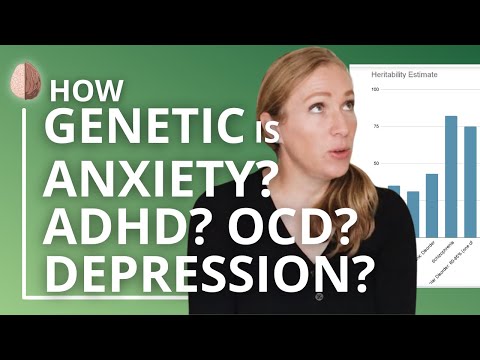
Genetics plays a big role here. Research suggests that about 40-50% of the risk for developing depression is hereditary. This isn’t a guarantee that you’ll face it if someone in your family has struggled, but it’s definitely something to consider. If you grew up seeing a parent battle depression, it might make you more prone to experience it as well. Crazy how those genes work!
Now, let’s break this down a bit further. There are certain genes linked to serotonin regulation—the neurotransmitter that’s really important for mood control. If these genes don’t function properly, it can lead to an imbalance in serotonin levels, which might contribute to feelings of sadness or hopelessness.
But here’s where things get interesting: environment matters too. Even if you have those genetic predispositions lurking around in your DNA, how you’re raised or what life throws at you can flip the script. Think about it like this—if someone grows up in a supportive and loving environment, they might never fully experience those genetic risks because they have coping tools and emotional support.
And let’s not forget about the interaction between genetics and lifestyle. Factors like stressors from everyday life—work pressure, relationships, or financial issues—can trigger depressive episodes even in people who might not have any family history of mental illness.
So now what? Well, awareness is key! Knowing where you come from helps with understanding your own mental health better. If you’re aware that some genetic stuff runs in your family and you start feeling blue often or for no reason at all, reaching out for help is super important.
In short:
- Your genes play a role in depression risk.
- Family history matters. It doesn’t define you but raises the likelihood.
- Coping mechanisms can help manage genetic vulnerabilities.
- Lifestyle factors significantly influence how genetics express themselves.
So yeah! Understanding this interplay between genetics and environment opens doors for finding support systems that really resonate with you. Remember—you’re not alone in this journey; plenty of friends are navigating similar paths!
Exploring the Impact of Genetic Factors on Mental Health and Wellbeing
When it comes to mental health, our genes can play a pretty big role. You might’ve heard the phrase «It runs in the family.» Well, that’s because some mental health conditions, like depression, can have genetic components. But it’s not all about your DNA; it’s a mix of genetics and environment.
So, what exactly does that mean? Basically, certain genes can increase your risk of developing conditions like depression. If someone in your family has struggled with it, you might be more likely to experience it too. But here’s the kicker: having the genes doesn’t guarantee you’ll get depressed. It just ups the odds.
A lot of research has been done on this topic. For example, studies have identified specific genes associated with mood regulation. One is called SLC6A4, which is involved in serotonin transport. Lower serotonin levels are linked to mood disorders, including depression.
But understand this—it’s not just about those genes hanging out in isolation. They interact with your environment, which can be a huge factor in whether or not you face mental health challenges. Let’s say you have a family history of depression but grow up in a supportive environment with good coping mechanisms and resources; you might not ever deal with severe depression.
- Environment: Stressful life events like losing a job or going through a breakup can trigger genetic predispositions.
- Lifestyle choices: Things like diet and exercise also impact how your genes express themselves—there’s more power than you think!
- Coping mechanisms: Effective strategies can change the game for someone at risk due to their genes.
An interesting point is that even if you do develop depression because of your genetic makeup, there are treatments that work wonders! Medications may target those very same brain chemicals involved in mood regulation.
Here’s something personal: I remember talking to my friend Sarah about her struggles with depression. She found out her mom dealt with it too. At first, she felt hopeless thinking she’d always be stuck feeling this way because «it runs in the family.» But after therapy and learning more about how to manage her triggers and symptoms, she realized she was not just at the mercy of her genetics; she had tools to cope effectively!
The bottom line? Genetics do influence mental health significantly but don’t let that define you or your future. Understand where you come from but don’t ignore the power of choices and support systems along the way!
Exploring the Impact of Genetic Factors on Mental Health: What You Need to Know
Genetic factors play a significant role in mental health. You might have heard people say, «It’s all in the genes,» and there’s some truth to that. Mental health conditions, like depression, can run in families. If your parents or siblings have battled depression, your chances of experiencing it yourself might be higher. Why? Because certain genetic markers can make you more susceptible to these conditions.
But here’s where it gets a bit tricky. Just because you have a family history doesn’t guarantee you’ll develop depression. The interaction between genetics and environmental factors is crucial. Think of it this way: if you’re predisposed genetically but grow up in a supportive environment, that can really buffer against developing mental health issues.
On the flip side, even if you don’t have a family history of depression, life events or chronic stress can trigger symptoms. Let’s say you go through a major life change—like losing a job or going through a tough breakup—it could lead to feelings of sadness or hopelessness that everyone experiences at some point.
Now let’s chat about what genetic depression really means. It refers to the type of depression strongly linked to inherited traits. Research suggests that variations in certain genes may affect brain chemistry related to mood regulation. For instance, the serotonin transporter gene is one major player; people with certain variations may respond differently to life stressors than those without these gene variations.
There’s also what happens on an emotional level; when it comes to mental health, genetics can influence not just our susceptibility but also how we experience feelings of sadness and isolation—or how we cope with them. Imagine feeling deep sorrow and not knowing why—it could partly stem from your genetic makeup impacting how your brain processes emotions.
Besides genetic predisposition, there are epigenetic factors worth mentioning too. Epigenetics looks at how our behaviors and environment can change gene expression, which means that while your genes provide the blueprint for who you are, external factors like stress, diet, or trauma shape whether specific traits come into play.
So what does this all mean for well-being? It’s about understanding that mental health is multifaceted with no single cause. If you’re struggling with feelings related to depression—whether or not there’s a clear genetic link—getting help is key! Treatments like therapy or medication (which often targets those same neurotransmitters affected by genetics) can make all the difference.
In summary:
- Genetics influence susceptibility: Family history matters.
- Environment shapes outcomes: Supportive settings help buffer risks.
- Emotional experiences vary: Genetics can impact how feelings manifest.
- Epigenetics adds complexity: Lifestyle choices influence gene expression.
Understanding this interplay sheds light on why some folks grapple with mental health struggles more than others—and underscores the importance of seeking support whenever needed. It’s all part of being human!
Genetic depression, huh? It’s one of those things that can feel like a shadow lurking just out of sight. Sometimes you might hear someone say, “Oh, you have it in your genes,” as if it’s just a fate you’ve gotta accept. But let’s be real, dealing with this can mess with your head and wellbeing in some pretty profound ways.
Just think about it. Imagine growing up in a family where sadness seems like a common thread. Maybe you see your mom struggling or your uncle always down in the dumps. It’s easy to think, “Is this my future too?” That feeling of inevitability can be heavy.
One friend shared how she felt when she realized depression ran in her family. It was like being handed a ticket on a train she never wanted to board. She started questioning everything—her choices, her worth, and even her relationships. The weight of those genetic markers felt crushing at times.
But here’s the thing: genetics aren’t everything! Sure, they play a role, but they don’t write the whole story for us. You’ve got choices to make that can shift how you respond to those pesky genes. Therapy can help unpack those familial patterns and challenge negative thinking that creeps in on tough days.
Then there are moments of hope and connection that start to emerge when people realize they’re not alone in these feelings. Talking about mental health with friends or even joining support groups can be such game changers! Suddenly that shadow doesn’t feel quite as menacing when you know others are walking similar paths.
Basically, while genetic depression might factor into some people’s lives, it doesn’t have to dictate how you live and love for yourself or others. And knowing this allows room for healing and growth—because struggling doesn’t mean you’ll always struggle! There are brighter days ahead; it’s all about finding what works for you along the way.