Hey! Let’s talk about Geodon, or as the fancy folks call it, ziprasidone.
So, you might’ve heard of it if you or someone you know has been on a mental health journey. It’s actually a medication that can help with things like schizophrenia and bipolar disorder.
But here’s the scoop: getting into the nitty-gritty of how it works and why it’s helpful can make all the difference.
I mean, understanding what goes into your treatment is super important, right? So stick around as we break down Geodon 40 mg and its role in mental health treatment!
Understanding the Medications Used to Calm Mental Health Patients: A Comprehensive Guide
So, when we talk about mental health medications, it can feel a bit overwhelming, right? There’s so much info out there. Let’s break it down together. One medication that comes up quite a bit is Geodon (which is also known by its generic name, ziprasidone).
What is Geodon?
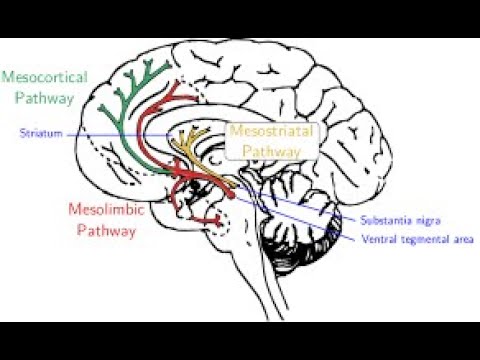
Basically, Geodon is an antipsychotic medication. It’s often used to treat conditions like schizophrenia and bipolar disorder. What’s cool about this med is that it helps balance certain chemicals in the brain, especially dopamine and serotonin. Those two are super important for mood regulation and overall mental health.
How does it work?
The way Geodon functions isn’t exactly simple, but I’ll keep it casual. Think of your brain as a radio. Sometimes the signal gets fuzzy and you need to tune it in better. Geodon works like a radio tuner—it helps your brain send better signals to keep things steady.
Dosing
If you’re prescribed Geodon, the usual starting dose might be around 40 mg. But remember, doctors usually adjust this based on how each person responds to the medication. Some folks may need more or less; it varies.
Possible side effects
Now, here’s the thing—no medication is perfect. With Geodon, some might experience side effects like drowsiness or dizziness. Others may notice things like nausea or even weight gain. It’s always a good idea to chat with your doctor if something feels off because they can help manage any issues.
Taking Geodon
You typically take Geodon twice daily with food; don’t skip meals! That’s important because without food, your body may not absorb the med properly.
The impact on mental health treatment
For many people, taking Geodon can lead to significant improvements in symptoms over time. Imagine waking up feeling more grounded or less anxious—it can be life-changing!
Also worth mentioning: Even though medications like Geodon play an important role in treatment plans, they’re often most effective when combined with therapy or lifestyle changes—kind of like having multiple tools in your toolbox.
So yeah! Medications such as Geodon are just one piece of a larger puzzle when it comes to managing mental health conditions. You’re never alone on this journey; there are professionals who really want to help you figure out what works best for you!
Understanding Olanzapine: How Long Does It Take to Alleviate Anxiety Symptoms?
Understanding how olanzapine works can be a bit of a journey. So, let’s break it down. Olanzapine is primarily an antipsychotic medication often used to manage serious mental health conditions like schizophrenia and bipolar disorder. But sometimes, doctors might prescribe it for anxiety, too.
First off, when you start taking olanzapine, **you might not feel immediate relief from anxiety symptoms**. It usually takes some time for the medication to build up in your system. Generally, you could begin noticing changes after a few days but full effects often take **a couple of weeks**. It’s like waiting for a flower to bloom; you don’t see much at first but then gradually, things start to change.
Now, let’s talk about dosages. For instance, if someone is taking **Geodon (ziprasidone)** at 40 mg for anxiety or mood stabilization, the relationship between Geodon and olanzapine isn’t direct; they belong to the same class of medications but have different mechanisms of action. While they both help with mental health issues, they might affect people differently.
Here are some key points about olanzapine and its effects on anxiety:
Imagine this: A friend of yours starts taking olanzapine because their anxiety has become overwhelming—racing thoughts and sleepless nights were becoming the norm. After about ten days on the medication, they finally start sleeping better and feel less anxious during the day. They still have bad moments but overall? They’re starting to notice a shift.
It’s also important to remember that while medications can help manage symptoms, therapy should ideally pair with medication. Cognitive Behavioral Therapy (CBT), for example, can offer tools to cope with anxiety while meds do their biological thing.
In short, if you’re considering or currently using olanzapine for anxiety symptoms—be patient! Talk with your doctor about any concerns or questions along the way because adjusting your treatment plan might be necessary as you find what works best for you.
Discovering the Most Effective Mental Health Medications: A Comprehensive Guide
Talking about mental health medications can be a bit tricky, especially when it comes to specifics like Geodon. But no worries, I’m here to break it down for you in a straightforward way. So, what’s the deal with Geodon and how does it fit into mental health treatment?
Geodon, or its generic name ziprasidone, is an antipsychotic medication that’s primarily used to treat schizophrenia and bipolar disorder. It works by affecting certain chemicals in your brain, especially dopamine and serotonin. Just think of those as the “feel-good” messengers that help regulate your mood and behavior.
How does it work? Well, Geodon helps to balance these chemicals, which can really make a difference if you’re dealing with symptoms like hallucinations or extreme mood swings. It’s often used when other medications don’t work as well or have side effects that are hard to handle.
But here’s something important: not every medication works the same way for everyone! Some people might find that Geodon helps them feel more stable without the rollercoaster of side effects like weight gain or sleepiness that some other meds may cause. However, this doesn’t mean it’s a one-size-fits-all solution.
Common Dosage: The typical starting dose is often around 40 mg which can be adjusted depending on how well you’re responding to the med and any side effects you’re experiencing. It’s usually taken twice a day with food; yeah, food matters with this one! Taking it without food can reduce its effectiveness.
Potential Side Effects: Like all medications, Geodon comes with its own set of potential side effects. Some people might feel drowsy or dizzy; others could notice nausea or restlessness. And while serious side effects are rare, things like heart rhythm changes can happen so regular check-ups are key.
Now, let’s chat about interactions. If you’re taking other meds—especially ones that affect your heart—definitely let your doc know! They’ll want to make sure everything plays nicely together.
And here’s something you should know: stopping Geodon suddenly isn’t usually a good idea. It could lead to withdrawal symptoms which nobody wants! Tapering off under guidance is a safer route if you need to stop taking it.
So yeah, looking for effective mental health medications isn’t just about finding what sounds good—it’s about working closely with your healthcare provider to determine what works best for *you*. Be open about how you’re feeling and any side effects you experience because communication is kind of key here!
In short:
- Geodon affects dopamine and serotonin.
- Commonly used for schizophrenia and bipolar disorder.
- Usually starts at 40 mg taken twice daily with food.
- Potential side effects include drowsiness and nausea.
- Regular check-ups are important due to possible serious heart-related risks.
It’s all about finding what helps you feel better while managing those pesky symptoms in the safest way possible! Whatever route you take, remember: you’re not alone in this journey.
You know, when we talk about mental health treatments, it’s easy to get lost in the sea of medications, right? But let’s chat about Geodon—or ziprasidone, if you wanna get all technical. It’s one of those atypical antipsychotics that can play a significant role in managing conditions like schizophrenia and bipolar disorder.
I remember a friend who struggled with severe mood swings. One day she was on top of the world; the next, she barely wanted to crawl out from under her blankets. After trying various treatments, her doctor suggested Geodon—and let me tell you, things started to change for her. It wasn’t magic or anything; like with most meds, it took time and some adjustments. But slowly she found herself feeling more stable and less like a rollercoaster ride.
So here’s the deal: Geodon works by balancing chemicals in the brain—specifically serotonin and dopamine. You might hear people say these are “feel-good” neurotransmitters because they help regulate mood and emotional responses. Basically, if your brain feels all scrambled up, Geodon can help untangle some of that mess.
Of course, no medication is without its quirks or side effects—like any other med out there! Some folks might feel drowsy or have an upset stomach at first. And then there are serious things to consider like potential heart issues, which can freak people out. That’s why it’s super important to keep the conversation going with your doc about how you’re feeling.
But hey, for my friend? She found relief with Geodon that helped her reclaim parts of her life she thought were gone forever. And that’s what makes all this worthwhile—finding what works for each person is key.
So if you’re curious about how medications fit into mental health treatment—remember it’s not just about popping pills but finding a balance that helps you thrive or even just feel normal again!