Hey, you know how sometimes life can feel like a rollercoaster? Seriously, one minute you’re up, and the next you’re plunging down.
For some folks, those ups and downs aren’t just a ride—they’re a constant battle. That’s where medication like Geodon comes in. It’s not just another pill; it’s got a job to do in the world of mental health treatment.
So, what’s the deal with Geodon 60 mg? Well, it can help manage things like schizophrenia and bipolar disorder. It works behind the scenes to balance out those mood swings and keep you feeling more stable.
Stick with me, and I’ll break down what this medication does, how it works, and kind of what to expect if you’re considering it!
Living with Schizoaffective Disorder: Is Medication Necessary for a Fulfilling Life?
Living with schizoaffective disorder can feel like navigating a winding road filled with unexpected twists and turns. It’s a complex condition that combines symptoms of schizophrenia—like hallucinations and delusions—with mood disorder symptoms, often creating an emotional rollercoaster. When it comes to managing this mental health challenge, you might be wondering if medication is necessary for leading a fulfilling life.
First off, let’s talk about medication. For many people dealing with schizoaffective disorder, it plays an important role in stabilization. Medications can help manage both the psychotic symptoms—like hearing voices or feeling paranoid—and the mood-related aspects, such as depression or mania. One commonly prescribed medication for this kind of disorder is Geodon (or ziprasidone). It can help reduce those overwhelming feelings and bring a sense of normalcy back into your life.
You might think, “Okay, but must I be on meds forever?” Well, there’s no one-size-fits-all answer here. Some folks find a lot of relief through medication and decide to stay on it long-term. Others might work with their healthcare provider to adjust or even discontinue their medication after achieving stability. The key is finding what works for you.
Here are some points to consider when thinking about medication:
- Symptom Control: Medication may significantly reduce symptoms that interfere with daily life.
- Quality of Life: Many report improvements in relationships and work performance when on the right meds.
- Treatment Team: Collaborating with your doctor and therapist can help determine if meds are right for you.
Imagine someone you know named Alex. They struggled with intrusive thoughts that made even small tasks feel impossible. After starting on Geodon, Alex noticed they could participate in conversations without being distracted by those voices anymore! They felt more present during family gatherings—that sense of connection began to bloom again.
That said, not everyone is going to respond perfectly to medications like Geodon; side effects can sometimes be a nuisance—think weight gain or drowsiness—or they may just not work at all for some individuals. This is why having open conversations about how you’re feeling during treatment is crucial.
Lifestyle factors also play an essential role when managing schizoaffective disorder:
- Therapy: Engaging in therapy alongside meds can boost coping mechanisms.
- Support Systems: Having family or friends who understand your experiences makes a huge difference.
- Self-care: Regular exercise, good nutrition, and sleep hygiene can enhance overall well-being.
And here’s the thing: while medication helps many people find balance, it isn’t the only path to fulfillment. Some folks successfully manage their symptoms through holistic approaches or lifestyle changes alone—or in combination with lighter medications.
Remember sweet Lena? She initially resisted taking any medication out of fear but eventually found that combining therapy with yoga and meditation worked wonders for her mental health! Lena still has challenging days but feels empowered knowing there are options outside standard medications.
Living with schizoaffective disorder requires patience and self-discovery as you figure out what works best for you personally. Medication may be *a* way to achieve fulfillment—not necessarily *the* way—but it’s worth considering as part of your journey toward mental wellness. If you’re unsure where to start or what will work best for you, reaching out to professionals who specialize in this area can offer valuable insights and guidance along the way.
Exploring Geodon: Can It Boost Motivation in Mental Health Treatment?
Geodon is a medication used primarily for treating certain mental health conditions, like schizophrenia and bipolar disorder. Its generic name is ziprasidone, and it belongs to a class of drugs called atypical antipsychotics. Now, you might be wondering how it could play a role in boosting motivation during treatment.
When we talk about motivation in mental health, we’re often discussing the drive or desire to engage with life and pursue goals, especially when someone is battling depression or anxiety. That’s where medications like Geodon can come into play. But what does it actually do?
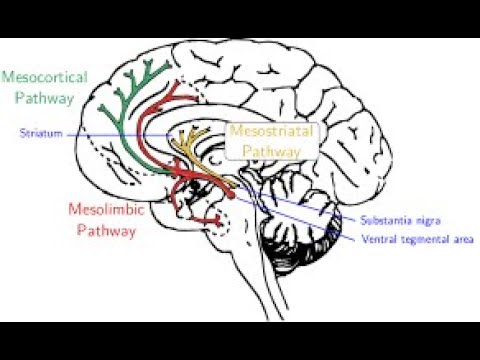
Geodon works by affecting chemicals in your brain—mainly dopamine and serotonin. These two are key players in mood regulation. So, if you’re feeling low or unmotivated, balancing these chemicals can potentially help restore some of that lost drive.
Now, here’s something interesting: while Geodon isn’t specifically designed to increase motivation, many people find that when their symptoms improve—like feeling less anxious or less depressed—they naturally feel more motivated. It’s like clearing the fog so you can see the path ahead more clearly.
But let’s be real for a second—medication doesn’t work the same for everyone. Some folks report a significant boost in their overall mood and energy levels after starting Geodon—while others might not notice much change at all. We all have different brain chemistry, right? It’s kind of neat but also tricky.
Plus, there are other factors at play here. Therapy can also be crucial alongside medication. For instance:
- Therapy integration: Combining Geodon with therapy might enhance motivation even more.
- Support systems: Having friends and family around can boost your morale.
- Lifestyle factors: Good nutrition and exercise help too; they can really affect how motivated you feel.
Everyone’s journey is unique. It’s essential to work closely with your healthcare provider to figure out what mix of treatments works best for you.
In some cases, people on Geodon do experience side effects that could impact motivation negatively—like drowsiness or fatigue. Oh man, those are not fun! So if you’re not feeling great on it, it might not be the right fit for you.
Ultimately, Geodon could potentially help some people regain motivation as part of their overall treatment plan by alleviating symptoms related to mental health issues. Still, it’s crucial to keep an open dialogue with your doctor about how you’re feeling on it because keeping track of how you’re doing can really make a difference in finding what works best for you.
So remember: medication like Geodon isn’t a magic fix-all; it’s part of a broader approach to mental health care that includes therapy and lifestyle changes as well!
Geodon vs. Abilify: A Comprehensive Comparison for Mental Health Treatment
When it comes to mental health treatment, especially for conditions like schizophrenia or bipolar disorder, you might hear a lot about different medications. Two commonly discussed options are **Geodon** and **Abilify**. Both can be pretty effective, but they work in different ways and have distinct profiles. Let’s break it down.
What is Geodon?
Geodon, or ziprasidone, is an atypical antipsychotic often used to treat schizophrenia and manic episodes in bipolar disorder. Its job? Basically helps balance chemicals in the brain. The usual dose starts around 60 mg daily but can be adjusted based on your needs.
Mechanism of Action
What happens with Geodon is it works by blocking certain receptors in the brain, mainly serotonin and dopamine. This means it can help alleviate symptoms like hallucinations or mood swings by stabilizing those chemical signals.
Common Side Effects
Now, every medication has its upsides and downsides. With Geodon, you might experience some common side effects, such as:
- Drowsiness
- Nausea
- Weight gain (though it’s often considered less weight-inducing than others)
- Anxiety or agitation
You know how sometimes a med can make you feel weird? That’s not uncommon.
What about Abilify?
On the other hand, there’s **Abilify**, or aripiprazole. It’s also an atypical antipsychotic but operates a little differently. It treats similar issues—like schizophrenia and mood disorders—but also helps with irritability in autism spectrum disorder.
Mechanism of Action
Abilify does this fancy thing where it’s a partial agonist at dopamine receptors. What that means is instead of just blocking them like Geodon does, Abilify kinda activates them too—but only partially! This allows for some flexibility in how it manages symptoms.
Common Side Effects
Just like with Geodon, Abilify isn’t without its quirks. You could face some side effects such as:
- Nausea
- Dizziness
- Sleepiness or insomnia (hey, sleep can be elusive!)
- Anxiety or restlessness
The thing is, these side effects can vary based on the person.
Dosing Differences
Dosing differs quite a bit too! For Abilify, typical doses start from around 10 mg to sometimes over 30 mg per day depending on what you’re dealing with. It gives doctors a bit more wiggle room when prescribing.
Efficacy Comparison
So when comparing efficacy—well—it really varies from person to person. Some folks might find that Geodon works wonders for their symptoms while others swear by Abilify’s magic touch!
Anecdote time: I once knew someone who struggled mightily with mood swings due to bipolar disorder. They bounced back and forth between these two meds until they found that one really clicked for them! Just shows how individual this whole process can be.
Final Thoughts
Ultimately choosing between Geodon and Abilify isn’t black and white; it’s more gray than anything else! A doctor will usually take into account your specific symptoms, medical history, lifestyle—basically all those little details that make you unique. Always communicate openly about how you’re feeling because that’s key!
Whether you’re leaning towards one or the other—or maybe neither—just remember: finding the right treatment takes time and patience.
So, you might have heard of Geodon, or its fancy name, ziprasidone. It’s a medication primarily used to treat conditions like schizophrenia and bipolar disorder. You know, it kinda comes into play when things are getting a little chaotic in that mental landscape. When life feels overwhelming or outta control, this medication can help kind of calm the storm.
I remember talking to a friend who had been struggling with really intense mood swings. She described feeling like she was on a roller coaster with no end in sight—up one moment, down the next. It was exhausting for her and those around her, seriously. After chatting with a doctor, they decided to give Geodon a shot. At first, she was skeptical about taking medication at all; you know how it goes—you hear all kinds of things about side effects and worries that it might change who you are as a person.
But after starting on 60 mg of Geodon, things began to shift for her. Not that instant magic kind of change that we sometimes hope for—it took time—but slowly she noticed her emotions leveling out. Conversations became easier again; she started enjoying activities that she’d lost interest in! It wasn’t just about numbing feelings either; instead of feeling overly high or low, she found some balance.
But let’s be real here: Geodon isn’t for everyone and definitely comes with potential side effects—like drowsiness or weight gain—that can impact folks differently. Not everyone’s experience is gonna be the same as my friend’s. That’s why working closely with your healthcare team is super important when considering any medication.
In short, while Geodon plays a significant role for some people dealing with mental health issues like mood disorders or schizophrenia, it’s always part of a bigger picture involving therapy and lifestyle changes too! Finding that sweet spot where meds work together with other strategies? That’s the goal! So if you’re ever exploring options like this one, know you’re not alone in navigating through it all—it can be quite the journey!