So, you know how sometimes life just feels, well, heavy? Like you’re walking around with a backpack full of rocks? Yeah, that’s depression for ya.
And it can be such a struggle to find something that actually helps. That’s where Geodon comes into play. It’s one of those medications people talk about when they’re looking for relief.
But here’s the kicker: it’s not just about the pills. There’s this whole psychological side to treatment too, you know? It’s like trying to put together a puzzle where each piece is packed with emotions and experiences.
So, let’s chat about what Geodon does and how it fits into the bigger picture of dealing with depression. It might just be more than what meets the eye!
Exploring Ziprasidone: Can This Antipsychotic Medication Effectively Treat Depression?
Ziprasidone, also known by its brand name Geodon, is primarily used to treat schizophrenia and bipolar disorder. But you know, it sometimes comes up in conversations about treating depression, especially when it’s part of a bigger picture of mental health challenges.
So, here’s the deal: antipsychotics like Ziprasidone can sometimes be prescribed as an add-on treatment for depression that hasn’t responded well to standard antidepressants. Basically, if traditional treatments are falling short, this med might help by addressing some of the symptoms that overlap with depression.
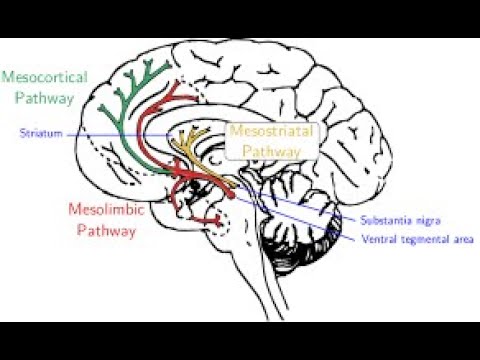
The thing is, Ziprasidone works on several neurotransmitters in your brain. It affects dopamine and serotonin, which are super important for mood regulation. If your mood feels like a rollercoaster lately—up and down without warning—it might be because those brain chemicals are outta whack. Fixing this imbalance can lead to better control of depressive symptoms.
But let’s not sugarcoat it too much. It’s not like everyone who tries it will magically feel better. Some people experience side effects such as drowsiness or even restlessness, which can be pretty annoying when you’re just trying to feel normal again. Plus, finding the right dosage can take time. It’s definitely a bit of a journey.
Now, research into using Ziprasidone specifically for depression is ongoing. Some studies have shown positive results when it’s used alongside other treatments. A lot of times, psychiatrists consider things like your complete medical history and how you’ve responded to other medications before deciding if this one might be right for you.
Here are some key points about using Ziprasidone for treating depression:
- Combination Therapy: It’s often used with other antidepressants.
- Dosing: Finding the right dose is crucial—it could take a bit.
- Efficacy: Research shows mixed results; some patients improve while others don’t.
- Side Effects: Could include sedation or agitation; everyone reacts differently.
- Monitoring: Regular follow-ups with your doctor are essential to check how you’re doing.
You might find it interesting that sometimes patients report mood improvements alongside a decrease in anxiety symptoms when they start taking Ziprasidone—like hitting two birds with one stone!
If you decide to try Ziprasidone or any new medication for depression, communication with your healthcare provider is key. You want someone who gets what you’re going through and can help tailor the treatment plan just for you. Remember that dealing with mental health isn’t always straightforward—it often takes some trial and error.
In the end, whether or not Ziprasidone will work for depression really depends on each individual person. Everyone’s brain chemistry is unique! So stay informed, keep an open dialogue with your doctor and trust yourself throughout the process!
Geodon for Depression and Anxiety: How Effective Is It?
Geodon, or ziprasidone, is one of those medications you might hear about when you’re chatting with your doc about managing mental health issues. It’s primarily used as an antipsychotic, but some folks wonder if it can help with depression and anxiety too. So, let’s break this down a bit, shall we?
First up, it’s important to know that Geodon is usually prescribed for conditions like schizophrenia and bipolar disorder. The thing is, the way it works isn’t entirely clear. It’s thought to balance certain chemicals in the brain, mainly serotonin and dopamine. These two are like the mood regulators in our heads.
Now, when it comes to using Geodon for depression, research isn’t super strong. Some studies suggest that it can have a positive effect on mood when someone has a diagnosis beyond just depression—like if they also have bipolar disorder. But if you’re talking about major depressive disorder alone, you might find mixed results.
For anxiety, well… the picture is kind of similar. While some people report feeling less anxious while taking Geodon, there’s not a ton of solid evidence backing its effectiveness specifically for anxiety disorders like generalized anxiety disorder (GAD) or social anxiety.
Let me throw in an example here: think of Mark, who struggled with both depression and anxiety after losing his job. His therapist suggested Geodon alongside therapy sessions. Over time—like months—he noticed his mood stabilized but didn’t feel all his anxiety melt away. It was more like he learned to cope better with stuff that used to stress him out.
When taking Geodon, some people notice side effects too—things like weight gain or tiredness could come into play. Not everyone experiences these things though; everyone’s different! That means chatting with your doctor about what you’re noticing is super important.
So yeah, while Geodon can be part of a treatment plan for those dealing with more complex mental health issues involving depression and anxiety, it’s definitely not going to be the go-to solution for everyone. Therapy often plays a big role here too! You get better results when medication and therapy work together.
Always remember: reaching out to your healthcare provider about your symptoms and what you’re experiencing is crucial! They can help figure out what might work best for you based on your unique situation and history.
Top Psychological Interventions for Effective Depression Treatment: A Comprehensive Guide
When it comes to treating depression, there are a variety of psychological interventions out there, and they can be pretty effective. You know, it’s not just about popping a pill and hoping for the best. Psychotherapy plays a huge role in getting people back on their feet.
First off, let’s chat about Cognitive Behavioral Therapy (CBT). This is one of the gold standards for treating depression. Basically, CBT helps you identify those negative thought patterns that keep dragging you down. Imagine feeling hopeless because you think you always mess things up. Well, CBT teaches you to flip that script—like replacing “I failed” with “I can learn from this.” It’s all about challenging those thoughts and creating healthier ones.
Then there’s Interpersonal Therapy (IPT). This approach focuses on your relationships and social roles because sometimes our connections with others can really influence how we feel. If your friendships are strained or if you’re struggling with loss, IPT can help address these issues directly. Like when my friend lost touch with her best buddy over a silly argument; they worked through it together in therapy—things really changed for her mood!
Mindfulness-Based Cognitive Therapy (MBCT) is another cool option! It combines traditional CBT methods with mindfulness practices. It’s like becoming more present and aware without judgment. You start noticing when those dark clouds of depression start creeping back in instead of just letting them take over your mind completely.
You might also hear about Behavioral Activation. It’s all about getting back into activities that bring joy or satisfaction—even if you don’t feel like doing them at first. Let me tell you, I once had a friend who stopped going to her painting class because she felt so low; but just getting back into it—even when she didn’t want to—really lifted her spirits eventually.
Psychoeducation is essential too! It involves informing patients about their condition and treatment options. You’re not just sitting in silence; understanding what depression does and how various treatments work can empower you to make better choices for yourself.
Last but not least, there’s group therapy! Engaging in a supportive group setting can help reduce feelings of isolation while providing that sense of community we all crave sometimes. Just sharing experiences with others who get it can be so uplifting.
If you’re considering meds like Geodon, remember that they work best when combined with these therapies rather than just relying on them alone. Medications can help stabilize mood but addressing the emotional side through therapy is where the real magic happens.
So yeah, while meds play their part in managing symptoms, psychological interventions are often key players in truly overcoming depression’s weighty grip. Getting involved in therapy could be one of the best gifts to yourself!
So, let’s talk about Geodon. If you’re not familiar with it, it’s a medication that gets prescribed for things like bipolar disorder and schizophrenia, but sometimes, doctors will use it off-label for depression too. Why? Well, the idea is that it helps with mood stabilization and can alleviate some symptoms of depression. But there’s a lot more to this story.
I remember a friend of mine, Tom. He struggled with really intense depressive episodes for years. He tried pretty much everything—therapy, lifestyle changes, the whole shebang—but nothing seemed to give him relief until he started on Geodon. At first, he was apprehensive because he’d heard mixed things about medications in general. But after a couple of weeks on it, he noticed some shifts in his mood and energy levels.
Now, here’s where it gets interesting: while Geodon can be helpful for some folks like Tom—it doesn’t work for everyone. The thing is antidepressants can be a bit hit-or-miss depending on the person’s unique chemistry and how they process these meds. Some people might experience side effects or find that their symptoms just don’t improve much at all.
From a psychological perspective, it’s essential to remember how intertwined emotions and biology are when dealing with depression. Sometimes we think treating depression is all about fixing the brain chemistry with pills or therapy techniques like CBT (Cognitive Behavioral Therapy). That’s important stuff! But mental health isn’t just «fix the brain.» It goes deeper into feelings and experiences—our pasts shape us so much.
Also worth mentioning: using Geodon or any medication isn’t the endgame; it’s part of an overall strategy to manage mental health. Therapy can help unpack those emotional layers while medicine does its part in stabilizing mood—a kind of tag team! Ideally, you want both sides working together to see real progress.
And hey, the whole process takes time; patience is key here! Like you wouldn’t toss a salad and expect it to taste amazing right away—you have to let those flavors meld together over time. So if you’re thinking about something like Geodon or any other medication for depression, it’s super important to keep communicating with your healthcare provider about how you’re feeling along the way.
I guess what I’m getting at is that while Geodon may help some folks find their footing again in life by easing their depressive symptoms, that’s just one piece of a larger puzzle that involves therapy and personal growth too. So no quick fixes here; just layers upon layers of healing that need attention from both sides—psychological and pharmaceutical!