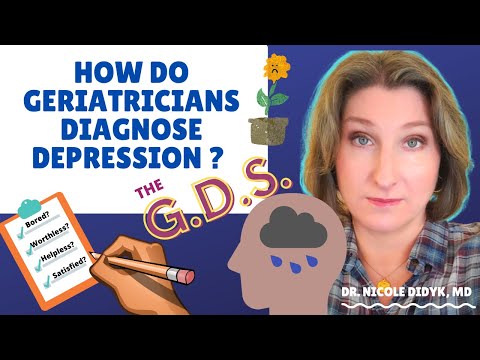
You know, getting older can be a mixed bag. Life has its ups and downs, right? But one thing that sometimes gets overlooked is mental health. Seriously, it’s so easy to think physical health is all that matters.
Enter the Geriatric Depression Scale. Sounds fancy, huh? But really, it’s just a tool to check in on older folks’ mental well-being. And this isn’t just about feeling blue; it’s about catching issues before they snowball.
Think about your grandparents or even your parents. How often do we really ask them how they’re feeling inside? Like, truly feeling? That’s where this scale can make a difference. It opens up conversations and helps spot depression early on.
Let’s chat more about why this matters and how it can lead to better days for our loved ones. Sound good?
Understanding the Geriatric Depression Scale: A Key Tool for Assessing Depression in Older Adults
The Geriatric Depression Scale (GDS) is a super useful tool for spotting depression in older adults. Why? Well, because older folks often experience different kinds of sadness or apathy that might not look like typical depression. The GDS helps to catch those feelings early, making it easier to get help.
What’s the GDS? It’s basically a questionnaire that usually has 15 or 30 questions. These questions focus on how the person has been feeling over the past week. For example, someone might be asked if they feel sad or lose interest in activities they once loved. You can see how this is tailored for older adults; it considers their unique experiences and challenges.
Why use the GDS? Here’s the thing: research shows that depression can often go unnoticed in older adults. Maybe they’re seen as just «grumpy» or «withdrawn.» But with the GDS, healthcare providers can get a clearer view of what’s going on mentally. It’s like shining a light in a dark room—you see things you missed before.
- No need for complicated medical jargon: The language in the GDS is pretty straightforward, making it easy for older adults to understand. It doesn’t sound clinical, which can sometimes scare people off.
- Quick results: The GDS takes about 5-10 minutes to complete. Short and sweet! This means less stress for both the patient and the healthcare provider.
- Effective screening: Numerous studies back up its effectiveness at identifying depression in seniors, which means it’s got credibility.
Now, let’s talk about implementation because that’s crucial too. Imagine Mary, an 82-year-old widow who lives alone. She used to be active and social but now spends most days watching TV and feeling empty inside. A doctor may use the GDS here to gauge Mary’s feelings accurately and identify warning signs of depression she might not even realize she has.
So what’s next? If someone scores high on the GDS—indicating potential depression—it opens up a conversation about mental health options: therapy, medication, or support groups could all be on the table.
In sum, using tools like the Geriatric Depression Scale is essential for giving our elders a voice when it comes to their mental health. They not only deserve attention—it can literally change their quality of life! And hey, recognizing that they need help is often half the battle won!
Effective Depression Screening Tools for Geriatric Patients: Enhancing Mental Health Care
Effective depression screening tools for older adults are super important in mental health care. We all know that aging can come with its own set of challenges, and sometimes, these challenges affect our mood and outlook on life. So, recognizing depression in geriatric patients helps healthcare providers give the right support and treatment.
First off, one widely used tool is the Geriatric Depression Scale (GDS). It’s straightforward and designed specifically for older adults. The GDS typically has 30 questions, but there’s a shorter version with just 15. This scale helps determine how a person feels over the past week—like if they’ve been feeling sad or losing interest in things they once enjoyed.
Now, why is this important? Well, some older folks might not openly express their feelings or even realize they’re depressed. You see, mood changes can sometimes be brushed off as just part of aging, which isn’t true! That’s where screening comes into play—catching these signs early means better outcomes.
Another tool worth mentioning is the Patient Health Questionnaire-9 (PHQ-9). Even though it’s used more generally across age groups, it’s still very effective for seniors too. It consists of 9 questions related to how someone has felt over the last two weeks. Simple stuff—like asking if they’ve had trouble sleeping or finding it hard to concentrate.
But here’s something folks often overlook: screening should be more than just filling out forms. It requires a kind of ongoing conversation between doctors and patients. You know why? Because it builds trust! Imagine confiding in someone about your struggles—you’d want them to understand your unique experiences rather than tick off boxes.
Follow-up is crucial after screening as well. If someone screens positive for depression, it shouldn’t just end there with a diagnosis but rather lead to a discussion about next steps. Referrals to therapy or medication options should follow so that real help can be provided without delay.
Older adults also deal with lots of other health issues that could cloud their mental health picture—things like chronic pain or memory problems, which can complicate diagnosis. That’s why healthcare professionals need a comprehensive understanding of each patient’s overall situation when interpreting scores from these tools.
Don’t forget about family involvement! Engaging loved ones can provide more insight into changes in behavior that an older adult may not notice themselves. You get different perspectives when family members are involved; they might pick up on stuff you miss.
Finally, keep in mind that cultural factors play a role too. Screening tools must be sensitive to different backgrounds because what depression looks like can vary across cultures. Being aware of this helps create a more inclusive approach that respects individual differences.
Using effective screening tools like GDS and PHQ-9 lets you address depression early on for geriatric patients and improves overall mental health care outcomes significantly! By enhancing communication between doctors and patients while considering unique factors at play—it just makes sense to prioritize mental wellness as we age together!
Understanding the Geriatric Depression Scale (GDS): Latest Insights and the New Shorter Version
Understanding the Geriatric Depression Scale (GDS) is pretty crucial, especially when it comes to older adults. The GDS helps identify depression in this age group, you know? It’s like a simple tool that can tell if someone’s feeling down but often can’t express it.
So, what exactly is the GDS? Well, it was designed for older individuals who might not show typical signs of depression. Sometimes, they mask their feelings or attribute them to aging. The scale consists of a series of questions that focus on feelings and emotional well-being over the previous week. It’s straightforward and easy for most folks to understand.
Now, here’s where things get interesting: the latest insights have brought out a new shorter version of the GDS! This shortened scale has 15 items instead of 30, making it quicker and less overwhelming for seniors while still being effective in detecting depression. Seriously, when you only have half as many questions to answer, it feels way less like an interrogation!
Also, there’s research showing that using this shorter version doesn’t compromise accuracy—so you’re still getting solid results without asking your grandma to sit through a long questionnaire. Like, if she’s already frustrated by some changes in her health or everyday life, why add more stress?
Here are some key points about the GDS and its shorter version:
- User-friendly: It’s designed specifically for older adults.
- Shorter format: The 15-item version takes less time to complete.
- Accuracy: Studies suggest it’s just as effective as the longer version.
- Aging factors: Takes into account how older adults might express their emotions differently.
When someone scores high on the GDS—especially with this new version—it can help doctors or caregivers step in early to support that person before things get worse. It opens doors to conversations about mental health which can be hard for some folks.
You know how sometimes we think that feeling sad is just part of getting older? Yeah, that’s a myth! The thing is, serious depression shouldn’t be brushed off as “normal.” With tools like the GDS and its newer format making detection easier and more efficient, we can help improve mental health outcomes drastically.
So next time you hear about screenings for depression among seniors or notice someone struggling with their mood swings or loneliness, remember this little gem called the Geriatric Depression Scale. It’s all about making lives better—one question at a time!
You know, mental health is one of those things that often gets pushed to the side, especially when we’re talking about older adults. It’s like we assume they should just be okay with aging, right? But the truth is, many seniors deal with depression and anxiety—sometimes without anyone noticing. That’s where tools like the Geriatric Depression Scale come in.
I remember chatting with my grandma a while back. She was this lively woman who loved to bake cookies and tell stories. But after my grandpa passed away, I noticed she wasn’t herself anymore. She’d forget to make her famous chocolate chip cookies and seemed kinda lost most days. It hit me that maybe she needed a little support, but I never knew how to bring it up or even what to look for.
The Geriatric Depression Scale (or GDS for short) helps doctors identify depression in older adults. It’s pretty straightforward—a series of questions that can help reveal how someone’s feeling inside. Stuff like, “Do you often feel helpless?” or “Are you happy most of the time?” seem simple but pack a punch when it comes to understanding what an older person might be going through.
When used properly, it can lead to early interventions and better outcomes. You know? If someone scores high on the scale, that gives healthcare providers a heads-up to dig deeper, chat with them more about their feelings, and explore treatment options if needed.
However, just having a tool like this isn’t enough on its own. There has to be genuine follow-through afterward—like offering therapy or support groups designed specifically for seniors or including family in their care process.
Honestly, making sure our elders feel seen and understood can change everything for them. Just take my grandma: if she had been screened early on and given proper support, who knows how much brighter her days could’ve been? That’s why tools like the GDS are super important; they’re not just questionnaires—they can lead to meaningful change in people’s lives.
So yeah, if we want to improve mental health outcomes for older adults, we need tools like the Geriatric Depression Scale in our toolbox—and we also need compassion and awareness as we use them!