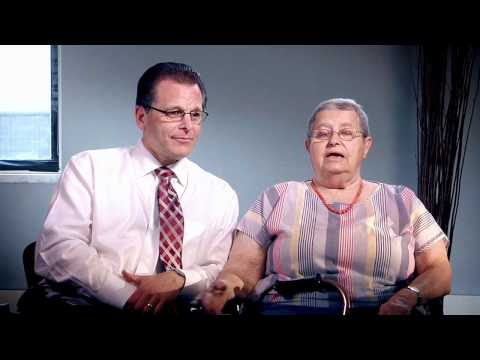
You know, aging can be a rollercoaster, right? One minute, you’re reminiscing about the good ol’ days, and the next, it hits you—life feels heavy.
Geriatric depression is real, and it doesn’t always get the attention it deserves. It’s not just sadness; it can sneak up like an unwelcome guest—and stick around longer than you’d like.
Feeling down when you’re older isn’t just about having a «bad day.» It can be a complex mix of loss, loneliness, and health challenges. But here’s the kicker: there are definitely ways to tackle this beast head-on!
Let’s chat about some effective approaches. Because you know what? You’re not alone in this journey!
Effective Evidence-Based Treatments for Depression in Older Adults: Key Strategies and Approaches
When we talk about treating depression in older adults, we’re not just tossing around buzzwords. Depression can be a heavy weight, especially for seniors. The good news? There’s a bunch of effective, evidence-based treatments out there that really make a difference.
Cognitive Behavioral Therapy (CBT) is one of the biggest players in the game. It focuses on changing negative thought patterns and behaviors. You see, many older adults may feel stuck in a cycle of negative thinking. A therapist guides them to challenge these thoughts and replace them with healthier ones. This isn’t just talk therapy; studies show it can significantly reduce depression symptoms.
Then there’s medication, which can also be super helpful. Antidepressants like SSRIs are commonly prescribed for older adults experiencing depression. These medications work by balancing chemicals in the brain that affect mood. But it’s key to monitor how these meds interact with other prescriptions the individual might be taking because seniors often have more than one medication to manage.
Another approach is mindfulness and relaxation techniques. Practices like meditation or yoga can help shift focus and relieve some stress that fuels depression. Imagine an older adult sitting quietly, breathing deeply, letting go of tension—pretty powerful stuff!
Exercise plays a crucial role too! Regular physical activity isn’t just for younger folks; it’s shown to lift spirits and improve overall health at any age. A simple daily walk or even dancing around the living room can boost endorphins, which are those feel-good hormones.
Connection matters more than you’d think! Older adults benefit from engaging with family and friends or joining support groups where they can share experiences. Feeling isolated? That can worsen depression.
It’s not only about treatment; understanding what depression is can ease some fears around it. Educating both the patient and their family helps everyone comprehend what they’re dealing with—this knowledge empowers them!
Sometimes, depression looks different in older adults who also have dementia. Their symptoms may lean towards irritability or withdrawal rather than sadness alone, so tailored treatment plans are crucial here.
Pain management is also significant because chronic pain often coexists with depression in older folks. Properly addressing this pain can lead to improved mental health outcomes.
The thing is, no single approach will fit everyone like a glove—finding the right combination of treatments requires some trial and error but don’t lose hope! Geriatric specialists typically guide this journey with compassion and expertise.
Treating geriatric depression involves understanding unique challenges while harnessing effective strategies to bring relief. With tailored support and comprehensive care, there’s a bright side waiting for many seniors struggling with this burden.
Understanding the Challenges of Detecting Depression in Older Adults with Dementia
Detecting depression in older adults with dementia can be tricky, to say the least. You might think that a person who’s feeling down would, like, clearly show it. But that’s not always the case. The thing is, symptoms of depression can sometimes blend in with dementia symptoms. This overlap can create confusion, making it tough for both family members and healthcare professionals to spot what’s really going on.
When we talk about **dementia**, we’re looking at a range of conditions affecting memory and thinking skills. Some common types include Alzheimer’s disease and vascular dementia. Now, imagine someone dealing with memory loss but also feelings of sadness or hopelessness. It’s easy to attribute those feelings to their cognitive decline rather than recognizing them as signs of a real mental health issue.
Here are some key challenges in detecting depression:
So what does this mean for treatment? Well, when depression goes unnoticed or misdiagnosed in older adults with dementia, the impact can be serious. Untreated depression can worsen cognitive decline or make existing symptoms harder to manage.
A while back, I knew an elderly lady named Edna. She lived alone and had early signs of Alzheimer’s but also seemed withdrawn and irritable all the time. Her family thought it was just her condition making her hard to deal with. Eventually, they got her into therapy where they discovered she was battling severe depression! Sessions helped her reconnect with some joy—like painting again—and opened up communication with her family.
This brings us back to effective approaches for treatment:
Lastly, support groups have proven useful too! They provide a space where both patients and caregivers share experiences and coping strategies.
Understanding these challenges is crucial because it shapes how we treat geriatric depression overall. Keeping an open dialogue about emotions—not just memory—is key for improving quality of life for older adults facing these dual challenges.
Essential Clinical Practice Guidelines for Effectively Managing Depression in the Elderly
Managing depression in elderly individuals is, like, super important. When you think about it, older adults often face unique challenges, from health issues to social isolation. So, you really need to take a tailored approach when dealing with their mental health. Here are some essential guidelines to keep in mind:
- Comprehensive Assessment: Before jumping into treatment, it’s crucial to understand each patient’s situation. This means looking at their physical health, personal history, and social factors. For instance, does the person live alone? Are they dealing with chronic pain or other illnesses? Each of these can affect their mood.
- Collaborative Care: Teamwork makes the dream work! Involve family members and caregivers in the treatment process. Their insights can be invaluable in understanding what might be bothering the individual. Plus, having a support system can make a huge difference.
- Treatment Options: There are multiple ways to treat depression in older adults. This might include medication, therapy like cognitive-behavioral therapy (CBT), or even lifestyle changes such as exercise and nutrition. Sometimes a combination of these works best.
- Regular Monitoring: Depression isn’t something that just goes away overnight. After starting treatment, keep an eye on how your patient responds. Adjustments may be needed depending on their progress or side effects they experience.
- Emotional Support: Simple acts of kindness—like spending time with them or just listening—can have a huge impact. You’d be surprised at how much it helps when someone feels genuinely connected and cared for.
- Avoid Assumptions: Don’t assume that depression is just part of aging. It’s not! People can feel great at any age with proper support and treatment.
A couple of years ago, I was chatting with my neighbor who lived alone after his wife passed away. He’d seemed fine at first but slowly started withdrawing from everything he loved—his gardening club and family visits became less frequent. He didn’t want anyone to “worry.” I suggested he speak to someone about how he felt since it looked like he was struggling more than he let on. It turned out he was dealing with significant depression but felt too embarrassed to admit it initially.
The takeaway here is simple: managing depression in the elderly requires patience and understanding; you have to meet them where they are emotionally and physically. By using these guidelines effectively—and being open-minded—you’ll make a real difference in their lives.
So, let’s talk about geriatric depression. It’s one of those things that often flies under the radar, right? You might think it’s just a normal part of aging when someone feels down, but honestly, it goes way beyond that. Imagine this: you’re sitting with your grandma, who usually has so much life in her eyes. Lately, though, she seems distant and uninterested. Like, what happened to that spark?
You see a lot of older adults struggling with feelings of loneliness and despair. Maybe they’ve lost friends or loved ones or are dealing with medical issues that limit their mobility. All of this can pile up and lead to depression that isn’t just a phase—it can be serious.
Now, when it comes to treating geriatric depression, there are a bunch of approaches out there that can really make a difference. Talk therapy is one of them and it shouldn’t be overlooked! Sometimes just chatting with someone—getting those feelings out in the open—can work wonders. Cognitive-behavioral therapy (CBT) is especially helpful here because it helps folks change negative thought patterns into more positive ones.
And hey, medication isn’t off the table either! Antidepressants might sound scary to some people, but when prescribed carefully by a doc who knows their stuff, they can really help lift that heavy weight off their shoulders. Just gotta make sure the doctor checks for any interactions with other meds because older adults often take several.
But we shouldn’t forget about light exercise or group activities either! Seriously! Something as simple as a daily walk or joining a community class can boost mood and create connections with others—so important for mental health at any age.
I remember my neighbor Jim—he was pretty quiet before he joined this gardening club at his local community center. At first, he was hesitant; he thought no one would want to hear his stories about the best tomatoes. But after a few sessions surrounded by fellow gardeners? He transformed! His laughter became contagious again; he felt alive!
The thing is—with geriatric depression or any form really—there’s no one-size-fits-all solution. Each person has their own unique journey. So it’s all about finding what works best for them while offering love and understanding along the way.
As we get older (and trust me on this), having someone who listens without judgment can be so crucial—it’s like being wrapped in warmth on a cold day. Look out for your loved ones—they might just need a little light to find their way back home.