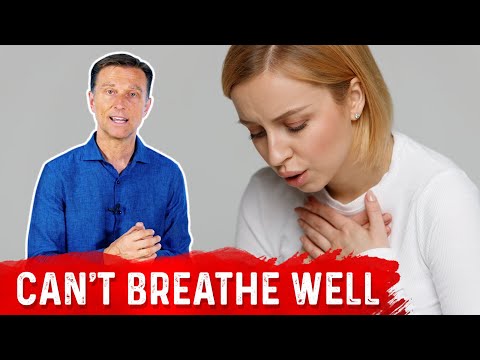
Ever feel out of breath while just, like, casually walking? You know, not after a sprint or anything intense. Just a stroll.
It’s kind of alarming, right? You’re moving but suddenly you’re gasping for air. It can really throw you off.
But here’s the thing: sometimes it’s not just physical. Believe it or not, your mind might be playing a big role in all this.
You see, our mental health and how we feel physically are super connected. Stress, anxiety, they can totally mess with your breathing patterns.
So let’s chat about this! Exploring why you might feel breathless when you’re out and about is important. It could help you understand what’s going on inside your head—and body too!
Effective Treatment Strategies for Psychogenic Dyspnea: Understanding and Managing Anxiety-Related Breathing Difficulties
Feeling like you can’t catch your breath, especially when you’re walking, can be super distressing. Like, one minute you’re strolling along, and the next, you’re gasping for air. This is often linked to psychogenic dyspnea, which means your breathing difficulties are tied to anxiety or stress rather than a physical health issue. So how do we tackle this? Let’s break it down.
Understanding Psychogenic Dyspnea is crucial. When you’re anxious, your brain can trigger physical responses that mess with how you breathe. It’s like a little alarm system that goes off in your body saying “Danger!” even when there isn’t one. Some folks might feel tightness in their chest while others might just feel winded out of nowhere.
So what are some strategies to manage this? Here’s the thing:
- Deep Breathing Exercises: Learning to control your breath can be a game changer. Try inhaling deeply through your nose for four counts, holding for four, and exhaling slowly through your mouth for six. You know? Just focusing on that rhythm can help calm things down.
- Cognitive Behavioral Therapy (CBT): This is about changing the way you think about breathing difficulties. A therapist can help guide you through changing those anxious thoughts into something more manageable. It’s all about perspective.
- Meditation and Mindfulness: Practicing mindfulness helps anchor you in the present moment instead of letting anxiety spiral out of control. Even a quick five minutes of focusing on your surroundings can work wonders.
- Physical Activity: Sounds counterintuitive when you have trouble breathing but gentle exercise like walking or yoga can actually improve lung function and reduce anxiety over time! Just take it slow; don’t push yourself too hard.
- Avoid Caffeine and Stimulants: These bad boys can amp up your anxiety levels making breathlessness feel even worse. You might wanna swap that coffee for herbal tea if you’re feeling anxious.
- Create a Safety Plan: Sometimes knowing what to do if feelings of breathlessness hit can ease your mind big time. Maybe practice saying “I’m okay” or having someone to call if things feel overwhelming.
You know, I once spoke with someone who had panic attacks every time they walked up a flight of stairs. They thought they were out of shape or had some serious medical issue, but after some therapy sessions focused on their anxiety, they learned it was all connected—once they managed their stress levels and started practicing these strategies, everything changed for them!
The point is understanding that psychogenic dyspnea doesn’t mean something’s wrong with your lungs; it’s often more about what’s happening in your mind than anything else! That realization alone can start the healing process.
If this sounds familiar or resonates with someone you know, reaching out to a mental health professional could be really beneficial. Remember that managing these symptoms takes time and patience—it’s totally okay! You’re not alone in feeling this way either; many people face similar challenges—and with the right tools and support, things absolutely can get better.
Understanding Psychogenic Dyspnea: Symptoms, Causes, and Management Strategies
Hey, let’s chat about something that might sound a bit strange but is really important: psychogenic dyspnea. You know, it’s that feeling of breathlessness that has more to do with your mind than your body. Sounds weird, right? But it’s real and affects a lot of people.
First off, what is psychogenic dyspnea? It basically means you’re feeling like you can’t breathe properly, but there’s no medical reason for it. Imagine walking up a slight hill and suddenly feeling winded—even though you’ve done it a hundred times before. This isn’t just about being out of shape; it can happen when stress or anxiety kicks in.
So, what are the symptoms? Here are some common ones:
- You feel short of breath even when resting.
- Your breathing might become rapid or shallow.
- You could feel dizzy or lightheaded at times.
- An overwhelming sense of panic or anxiety can hit you outta nowhere.
Now, why does this happen? Well, the causes often tie back to mental health issues. Things like anxiety disorders, panic attacks, or even depression can mess with your breathing patterns. It’s wild how our emotions affect us physically! Like I had this friend who would be totally fine one moment and then feel like he was gasping for air just thinking about an upcoming presentation. Talk about pressure!
There are also the triggers—certain situations like crowded places or stressful environments might make someone more prone to these feelings. Your brain kinda goes into overdrive and creates this fight-or-flight response, which messes with your breathing.
Now onto managing these feelings—how do we deal with psychogenic dyspnea? Here are some strategies that could help:
- Breathing exercises: Practicing deep breathing can really calm things down. Try inhaling slowly through your nose and exhaling through your mouth.
- Cognitive-Behavioral Therapy (CBT): A therapist trained in CBT can help change those negative thought patterns that make you anxious.
- Avoiding triggers: If certain places or situations spike your anxiety, see if you can avoid them until you feel more grounded.
- Meditation and mindfulness: These practices help you stay present and reduce overall stress levels—definitely worth trying!
The important thing to remember is—you’re not alone in this! Many people experience psychogenic dyspnea without even realizing there’s nothing physically wrong. It’s all about finding ways to cope and understanding what’s happening inside your head. Just keep reminding yourself: It’s okay to seek help if things get too overwhelming!
If this sounds familiar or you think someone else might be going through it, let them know they’re not crazy; they just need a bit of extra support sometimes! Stay strong!
Understanding Psychogenic Dyspnea: Insights from Reddit Discussions and Personal Experiences
Understanding Psychogenic Dyspnea can feel like a paradox, particularly when it’s linked to mental health. On the surface, it seems about breathing. But, really, it dives deep into our minds and emotions. Have you ever found yourself out of breath while just walking? You might think you’re simply out of shape or maybe catching a cold. But for some people, it’s more than that—it’s a reflection of anxiety or other psychological stressors.
People on Reddit often share their real-life experiences with this condition. One user mentioned how they’d feel breathless during stressful situations, like when giving a presentation at work or even just chatting with someone new. Their heart raced, and suddenly they couldn’t catch their breath. It’s fascinating (and kinda scary) how quickly our minds can trigger physical responses in our bodies.
To break it down a bit:
- What is Psychogenic Dyspnea? It’s basically shortness of breath that has no clear physical cause but is linked to psychological factors like stress or anxiety.
- Common Triggers: Everyday activities like walking or climbing stairs can become daunting if you’re under stress. Your mind is racing, and your body reacts.
- Anxiety Connection: Many folks describe feeling overwhelmed by anxiety—like a heavy weight on their chest—which makes breathing feel harder.
Imagine you’re walking up a hill and suddenly feel this tightness in your chest without any physical reason for it. That’s what some people face; their mind spirals into panic mode over what seems like an ordinary day-to-day activity.
Now let’s talk about what happens during these episodes. When anxiety kicks in, your body’s fight-or-flight response activates. Essentially, everything goes on high alert: heart rate spikes, muscles tense up—and yes, that can make it tough to breathe normally! It’s not just “head stuff”—there are real physiological changes happening.
In these Reddit discussions, several individuals highlight that talking openly about their experiences has been cathartic. One person mentioned feeling less alone after sharing their struggles online—like finally finding a community who understands the weirdness of dealing with breathlessness from mere thoughts.
So how do you cope with this? Well:
- Grounding Techniques: Practicing mindfulness helps bring your focus back to the present when everything starts to spiral.
- Breathing Exercises: Slow down your breath consciously; breathe in for four counts and out for four counts—it sounds simple but really helps calm the body’s response.
- Therapy: Talking to someone—a therapist or counselor—can be invaluable in uncovering deeper issues contributing to the stress.
It’s important to remember that psychogenic dyspnea doesn’t mean there’s something “wrong” with you—it’s just part of how you’re processing emotions right now. You’re not alone in feeling this way; many have grappled with similar issues.
In essence, being aware of these connections between mind and body can lead to better strategies for managing symptoms and improving overall well-being. If you ever find yourself facing something similar—or if you’ve experienced those moments where being active feels daunting because your mind is racing—it might be worth digging into those feelings further.
The journey isn’t easy; it takes time and often some trial-and-error along the way—but hey, every little step counts! Just remember: you’re navigating through something complex but entirely valid.
You know, breathlessness can hit you hard sometimes, especially when walking. I remember this one day. I was out for a stroll, just enjoying the fresh air, when suddenly, it felt like someone had wrapped a tight band around my chest. The world seemed to close in on me like a bad movie scene. I panicked a bit, thinking something was seriously wrong. But what really got me was how that moment tied into my headspace.
Breathlessness can be physical, of course. Maybe you’re out of shape or dealing with allergies or something more serious—but it can also have deep roots in mental health. When you’re anxious or stressed, your body reacts in ways that can leave you gasping for air. It’s pretty wild how your mind and body are connected.
Anxiety can trick you into believing you’re in danger—even if you’re just walking down the street. That fight-or-flight response kicks in and suddenly every step feels like running a marathon. Your heart races, your breathing gets shallow… and it all spirals from there. It’s like being chased by an invisible monster.
What’s important to understand is this: when breathlessness hits during those moments of anxiety or stress, it doesn’t mean there’s something physically wrong with you. It might be your mind playing tricks due to worry or fear about life itself—like work stress or personal issues weighing heavily on you.
So if you’ve ever found yourself feeling breathless while just trying to enjoy a walk, take a moment and check in with yourself mentally too. Maybe it’s time to slow down and breathe deep—literally! Grounding techniques can help; focusing on your breath or even counting your steps allows your mind to re-center.
Trust me; I’ve been there too many times not to share that little nugget of wisdom! It’s tough when anxiety sneaks up on you like that but know that it’s totally okay to talk about these feelings and seek help if you need it. You’re definitely not alone in this wild ride called life!