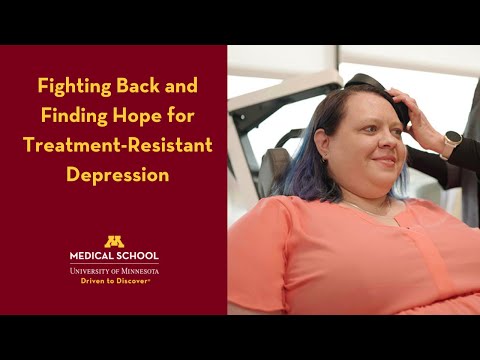
Hey, you know that feeling when you’re in a dark hole, and no matter what you do, it feels impossible to climb out? Yeah, that’s tough.
So many people struggle with depression that just won’t budge, even after trying different treatments. It’s like throwing a bunch of spaghetti at the wall and none of it sticks. Frustrating, right?
But here’s the thing – there is hope. Seriously! There are ways to find support and solutions tailored just for you. It might take some time and detective work, but trust me, the journey can lead to breakthroughs you never expected.
Let’s chat about how to navigate this maze together!
Effective Ways to Support a Loved One with Treatment-Resistant Depression (TRD)
Navigating the waters of treatment-resistant depression (TRD) can be really tough, both for the person experiencing it and their loved ones. You might feel helpless, unsure of what to do or say. But don’t worry! There are effective ways you can lend a hand.
First off, understanding TRD is key. It’s not just regular depression—it means that the usual treatments like therapy or medications haven’t worked as expected. This can leave your loved one feeling frustrated and hopeless. They may feel like they’re stuck in a deep, dark hole, and that’s where your support comes into play.
Start by listening without judgment. Sometimes, all someone needs is to vent their feelings. Let them share their thoughts openly without jumping in with solutions right away. Just showing that you care can mean a lot. Maybe they’ll say something like, “I feel like I’m a burden.” Validate their feelings by saying something like, “That sounds really tough; I can understand why you’d feel that way.”
Another important point is to encourage professional support. Gently suggest they talk to a therapist or doctor specializing in TRD if they aren’t already. It’s hard for someone who’s struggling to take that step on their own sometimes. You could say something like, “I read about some new treatments; maybe we could look into them together?” Being supportive doesn’t mean fixing everything; it means being there.
You should also help with practical tasks. Depression can zap motivation and energy, making even simple chores overwhelming. Offer to help with things like cooking meals or running errands. A small gesture can make a big difference—like bringing over their favorite snack or helping out with laundry.
Another great way to support your loved one is through keeping routine alive. When someone is battling TRD, maintaining a sense of normalcy can help even if it feels small at the time. Perhaps suggest taking short walks together or setting regular coffee dates where you just hang out and chat.
Be patient. This might be one of the hardest things for family and friends but it’s vital! Recovery isn’t linear; there will be ups and downs along the way. Celebrate small victories with them, no matter how tiny they seem—like getting out of bed or having a good day.
Lastly, don’t forget about yourself! Supporting someone with TRD can be emotionally draining at times. Make sure you’re taking care of your own mental health too—talk it out with friends or consider seeking guidance from a professional for yourself if needed.
In summary:
- Listen without judgment.
- Encourage professional support.
- Help with practical tasks.
- Keep routine alive.
- Be patient.
- Take care of yourself.
At the end of the day, just being there genuinely matters—a warm hug or just sitting quietly together says more than words sometimes! Keep showing up; this journey can be long but knowing they have your support will mean everything to them.
Understanding the Best Medication Options for Treatment-Resistant Depression
Dealing with treatment-resistant depression can feel like you’re stuck in a never-ending cycle of despair. It’s frustrating when you’ve tried a bunch of meds but haven’t found anything that really sticks. So, let’s break down some options and what they might look like for you.
First off, it’s important to understand what treatment-resistant depression (TRD) actually means. Basically, it’s when you’ve tried at least two antidepressant medications from different classes without any significant relief in your symptoms. It feels like you’re throwing darts blindfolded, hoping one will hit the target.
So, if traditional antidepressants are hitting a wall for you, there are still paths to explore:
- Atypical Antidepressants: Unlike standard SSRIs or SNRIs, these can give you a different approach. Medications like bupropion or mirtazapine might work well for some people. They affect neurotransmitters differently.
- Combination Therapy: Sometimes two meds are better than one! Your doctor may suggest combining an SSRI with an atypical antipsychotic or another antidepressant to enhance effects.
- Mood Stabilizers: Drugs like lithium or certain anticonvulsants can help stabilize mood swings associated with depression and may boost the effectiveness of other medications.
- Psychedelic-Assisted Therapy: Emerging research suggests that psychedelics like ketamine or psilocybin can bring rapid relief for some who haven’t found help elsewhere. It’s still new territory but shows real promise.
You know how sometimes you hear about people who’ve had wild success stories? A friend of mine struggled with TRD for years. After trying well over ten different meds and nothing working, they finally went on a low-dose mood stabilizer paired with an atypical antidepressant. It was like someone turned the lights back on! Maybe something similar could work for you too.
Apart from medications, consider discussing therapy options. Cognitive Behavioral Therapy (CBT) and dialectical behavior therapy (DBT) have shown effectiveness alongside medication. Engaging in talk therapy can sometimes uncover underlying issues that meds alone don’t address.
The bottom line? Finding effective treatment for TRD doesn’t have to be a solo journey. Work closely with your mental health team to explore these options and keep advocating for yourself along the way! You deserve support that truly helps you feel better.
Understanding TRD: Is Treatment-Resistant Depression a Lifelong Condition?
Understanding Treatment-Resistant Depression (TRD) can feel like navigating a tricky maze. You start feeling down, think it’s just a phase, but nothing seems to help. It’s frustrating, right? Like you’re stuck in this endless loop of sadness. So, what is TRD and is it really a lifelong struggle? Let’s break it down.
First off, Treatment-Resistant Depression is when traditional treatments like therapy or medications just aren’t cutting it. If you’ve tried two or more antidepressants without improvement over several weeks or months, that pretty much puts you in the TRD club. It kinda sucks being here.
Now, how does this happen? Well, every brain’s a little different. Some folks have unique neurobiological patterns that make them less responsive to standard treatments. That means their brain chemistry plays by its own rules! There’s no one-size-fits-all when it comes to mental health—you know?
So, is TRD a lifelong condition? Not necessarily! The truth is many people find relief. But let’s be real for a second: overcoming TRD can take time and patience. Here are some ways people navigate through:
- Finding the right therapist: Sometimes you just need someone who gets you; someone who can tailor therapy to your needs.
- Medications: Newer options like ketamine infusions or esketamine have shown promise for those with TRD.
- Psychotherapy: Combining cognitive behavioral therapy (CBT) with medication can work for some people.
- Lifestyle changes: Regular exercise and good nutrition can significantly impact your mood over time.
And hey, sharing stories helps too. I remember a friend who struggled for years with depression and felt hopeless about finding relief. After working with a new psychiatrist who introduced her to different medication options and therapy techniques tailored to her experiences—she finally started feeling like herself again! It took time and persistence but she found light again.
Support networks matter as well; isolating yourself can deepen that dark pit of despair. Connecting with others going through similar struggles—whether in support groups or online forums—can remind you that you’re not alone in this fight.
There’s also emerging research into brain stimulation therapies like transcranial magnetic stimulation (TMS), which have shown benefits for those battling TRD symptoms. Progress is being made!
So while yes, some folks might grapple with symptoms for longer than they’d like, there are paths toward recovery and ways to manage TRD effectively. Don’t lose hope; changes in treatment could lead you toward feeling better than ever before! Just remember: everyone’s journey is unique, and reaching out for help is always the first step forward.
You know, battling treatment-resistant depression can feel like you’re stuck in a fog that just won’t lift. It’s heavy. And frustrating. I remember chatting with a friend who had struggled for years to find something—anything—that worked for them. They tried all sorts of medications, therapy approaches, and even lifestyle changes. But nothing seemed to stick, and it felt like every new attempt was just another disappointment piling on top of an already heavy load.
But here’s the thing: finding support is crucial when you’re in that place. It can feel super isolating, like no one really gets what you’re going through. Having people in your corner can lighten the weight a bit, even if they don’t have all the answers.
Community is key! Whether it’s friends or family who listen without judgment or support groups where you can share experiences with others facing similar struggles, these connections help remind you that you’re not alone in this fight. Sometimes just being around people who understand your pain – who’ve faced their own battles or are willing to try and empathize – makes a world of difference.
And let’s not forget about professionals! Finding the right therapist can be like dating—you might go through a few before finding one that feels good. A therapist who “gets” your unique experience with depression could offer fresh perspectives or strategies you haven’t considered yet.
Plus, there are always newer options out there—like alternative therapies or newer medications—that can give you that glimmer of hope when everything else seems bleak. Although it might take some trial and error to find what truly helps you, don’t lose heart; persistence is part of the journey.
So if you’re dealing with treatment-resistant depression, lean into those connections. Seek out people who uplift you and professionals willing to explore different paths with you. You don’t have to go through this alone; seriously, there’s strength in numbers! Every little step forward counts—even on days when it feels impossible to take any steps at all.