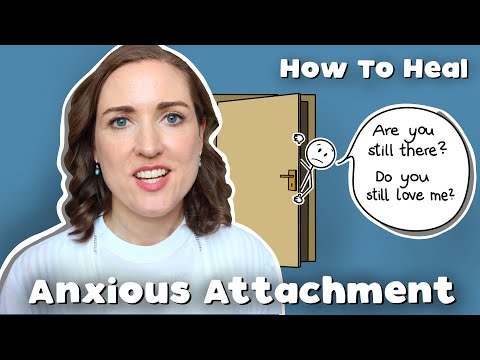
So, let’s chat about something that hits home for a lot of us: anxious attachment. You know, that feeling when you’re in a relationship and you just can’t shake off the worries?
Maybe you find yourself checking your phone way too much. Or freaking out if your partner takes too long to reply. It’s exhausting, right?
Look, I’ve been there too. You want to feel secure and connected, but instead, it’s like being on an emotional rollercoaster. Up one minute, down the next.
But here’s the good news: healing from anxious attachment is totally doable! Seriously. With some understanding and a few key shifts, you can build better relationships and feel more at ease in your connections.
Let’s dive into this together!
Effective Strategies to Overcome Anxious Attachment in Relationships
Anxious attachment can feel like carrying a heavy backpack filled with worries about relationships. You might often find yourself feeling insecure or overly dependent on your partner. This attachment style is rooted in early experiences, and the good news is, you can work on it.
1. Understand Your Triggers
The first step is recognizing when anxiety hits. Maybe it’s when your partner doesn’t text back right away, or they mention hanging out with friends without you. Identifying these triggers can help you prepare for those anxious feelings instead of letting them take over.
2. Communicate Openly
Once you know your triggers, talk about them! Share your feelings with your partner in a calm way. You could say something like, “I feel anxious when I don’t hear from you for a while.” This opens the door for understanding and reassurance.
3. Practice Self-Soothing Techniques
When anxiety strikes, it’s important to have tools to calm yourself down. Deep breathing exercises really help; try taking slow breaths in and out for a few minutes. You could also distract yourself with activities that bring joy, like drawing or listening to music.
4. Build Trust Gradually
Trust doesn’t happen overnight; it’s built through consistent actions over time. Both you and your partner need to show up for one another regularly—like being there for each other during tough times or sharing little joys together.
5. Challenge Negative Thoughts
You might find your mind racing with worst-case scenarios—like thinking your partner will leave if they’re busy one evening. Challenge these thoughts by asking yourself if they’re actually true or just anxious assumptions.
6. Set Healthy Boundaries
Learning to say no sometimes is vital too! Establishing boundaries helps both partners feel secure in the relationship without feeling overwhelmed or suffocated by each other’s needs.
7. Seek Therapy If Needed
Therapy can be super beneficial in unpacking those deep-seated feelings related to anxious attachment. A professional can offer you personalized strategies and support as you navigate these waters—and trust me, it’s okay to ask for help!
Each person’s journey is different, so some of these strategies might resonate more than others for you. But remember, it’s all about progress and self-compassion along the way! Every step toward understanding yourself better brings you closer to healthier relationships—so keep going!
Supporting Your Partner: Effective Strategies for Navigating Anxious Attachment in Relationships
When you’re in a relationship with someone who has an anxious attachment style, it can feel like you’re constantly tiptoeing around their feelings. Anxiety in relationships usually stems from fear of abandonment or a real need for closeness, right? It’s not easy being on either side of that equation. So let’s talk about how you can support your partner while making your own emotional world a bit easier to navigate.
Understand Their Triggers. It’s super important to figure out what sets off their anxiety. Maybe it’s when plans change suddenly, or when they feel ignored for even a moment. For instance, if they text you and you don’t respond right away, they might spiral into thoughts about why you’re upset with them or if you’re ghosting them. Identifying these triggers lets you both prepare for the emotional rollercoaster.
Open Communication is Key. Talk about feelings—not just good ones! Ask your partner what makes them uncomfortable or anxious in the relationship. You might say something like, “I noticed you seemed upset when I didn’t pick up your call yesterday. Can we talk about that?” This kind of dialogue fosters trust and helps them feel seen.
Be Consistent. In the world of anxious attachment, consistency is a soothing balm. When you’re predictable—like checking in throughout the day—it gives them less room to worry. Think of it like this: regular small texts from you saying “Hey, hope your day’s going well!” can be grounding for them.
Acknowledge Their Feelings. Instead of brushing off their worries as silly or overblown, acknowledge that their feelings are real and valid. You might say, “I understand why this feels overwhelming right now.” Validation doesn’t mean agreeing; it just shows you’re there for them through tough moments.
Set Boundaries Together. While it’s crucial to support your partner, don’t forget your own needs! Discuss what feels comfortable for both of you regarding time together and apart. For example, if they often want constant reassurance but that leaves you feeling smothered, find a middle ground where both can breathe easy.
Encourage Independence. Help them build self-soothing techniques to manage anxiety alone at times. Maybe suggest yoga or journaling as ways to express those swirling emotions safely without solely relying on you for comfort.
Seek Professional Help if Needed. Sometimes love isn’t enough; professional therapy could really make a difference here! Encourage them (and yourself!) to work with someone who knows how to tackle attachment styles effectively. Therapy isn’t just for crisis situations—it can be proactive too!
In a situation I remember well, my friend was in a relationship where her partner had an anxious attachment style. They took many of these strategies and saw improvement over time—less tension during arguments and more honest conversations about their needs.
It’s not easy work supporting someone with anxious attachment traits—it requires patience and understanding from both sides—so don’t forget to care for yourself as well! After all, relationships are partnerships built on mutual respect and love.
Understanding Anxious Attachment: Do Anxiously Attached Individuals End Relationships?
Anxious attachment can be a real rollercoaster, you know? If you’ve got this style of attachment, it often feels like you’re constantly on edge in relationships. You might worry a lot about whether your partner truly loves you or if they’ll leave. So, do people with anxious attachment end relationships? Let’s unpack that.
Anxiously attached individuals typically have a deep fear of abandonment. This fear stems from early experiences with caregivers who were inconsistent in their availability. Sometimes they were there, sometimes they weren’t. Because of this, you learn to cling to relationships and crave reassurance, almost like a lifeline.
When conflict arises or when things start to feel shaky in a relationship, someone with anxious attachment often reacts strongly. They might feel the need to pull their partner closer but also worry about the risk of losing them. So it’s kind of ironic; instead of building a stronger bond, the anxiety can create pressure and tension.
You see, when an anxiously attached person senses that a partner is pulling away, their instincts kick into high gear. They may come off as overly needy or demanding in search of comfort and support. But here’s the kicker: that very behavior can actually push partners away! It creates a cycle where the anxiously attached person feels more insecure and fearful of being abandoned.
Here are some common behaviors you might notice:
Let me share a quick story here. I once knew someone who was always worried her boyfriend would leave her for someone “better.” She’d often text him dozens of times just to check if he was okay—or worse, get upset when he didn’t respond immediately. And guess what? That constant questioning made him feel suffocated and pushed him away even more.
So yes, sometimes individuals with anxious attachment do end relationships—often because they can’t handle the intensity or negative feelings associated with their emotional struggles. But it’s rarely about wanting out; it’s more about protecting themselves from potential heartbreak before it even happens.
Healing from anxious attachment is absolutely possible! It involves building self-awareness and learning healthier ways to communicate your needs without overwhelming your partner or yourself. Therapy can be especially helpful here—it equips you with tools to navigate those feelings better.
To sum up, people with anxious attachment don’t want to end relationships; rather, they’re often locked in cycles driven by fear and insecurity that complicate their connections with others. Recognizing this pattern is the first step towards healing for more fulfilling relationships down the road!
So, you know how some people get super anxious in relationships? Like, they’re always worried about whether their partner really cares or if they’ll leave? That’s what we call “anxious attachment.” It can really mess with your relationships.
I remember a friend of mine, let’s call her Emily. She was always texting her boyfriend non-stop, freaking out if he didn’t respond in, like, two minutes. It wasn’t just a little nervousness; it was full-on panic mode, and honestly, it led to some serious issues between them. I could see how much she wanted love and closeness but felt like she was pushing him away instead. It’s tough to watch someone you care about struggle like that.
Healing from anxious attachment is totally possible, though! Seriously! The first step is recognizing those patterns. You might find yourself overthinking every little thing your partner says or does. So the trick is to take a step back and notice when those thoughts creep in. It’s like shining a light on the darkness—you can see it better!
Next up is working on self-soothing techniques to manage that anxious feeling. Things like deep breathing or grounding exercises can be real lifesavers when those worries start bubbling up. You know, just finding that calm within yourself can slowly change how you react in relationships.
Also, communication is key—like seriously! Telling your partner what you’re feeling can be scary but also really helps build trust. The more open you are about your feelings and fears, the less likely they’ll spiral outta control.
You might even want to look into therapy if you feel stuck on this journey. A therapist can help guide you through these feelings and offer tools tailored just for you.
So yeah, healing from anxious attachment isn’t an overnight thing—it’s more of a journey with ups and downs—but each step brings you closer to healthier relationships where you’re not constantly worried about losing someone you care about. It’s all about building that trust within yourself first so that it overflows into how you connect with others!