Hey! So, let’s chat about something super interesting—emotional intelligence. You ever wondered why some folks just get people? Like, they walk into a room and instantly vibe with everyone?
That’s emotional intelligence doing its thing. And guess what? There’s this cool test by Daniel Goleman that can help you figure out your own emotional smarts. It’s not just about feelings; it dives deep into how we handle emotions, connect with others, and manage stress.
So, stick around. We’re gonna break it all down and see what makes Goleman’s test special. You might even learn something new about yourself!
Download the Emotional Intelligence Questionnaire by Daniel Goleman – Free PDF Guide
Alright, let’s chat about emotional intelligence and that questionnaire by Daniel Goleman you’re interested in. Basically, emotional intelligence (or EI) is all about how we understand our own feelings and those of others. It’s like having a superpower for navigating social situations and managing relationships.
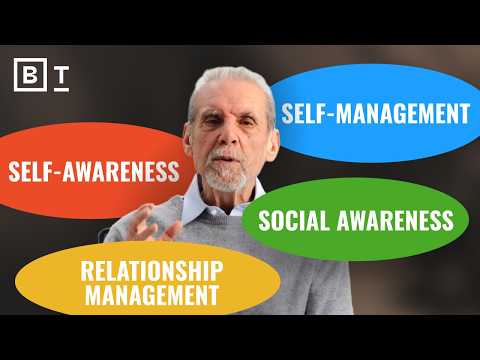
You know how sometimes you just “get” what someone is feeling without them even saying a word? That’s part of EI at work! Goleman really made this concept popular with his book, where he broke it down into five main components:
- Self-awareness: Being in tune with your own emotions.
- Self-regulation: Managing those emotions effectively.
- Motivation: Using your emotions to fuel your drive, like in achieving goals.
- Empathy: Understanding and sharing the feelings of others.
- Social skills: Navigating social complexities and maintaining relationships.
Taking the Emotional Intelligence Questionnaire can give you insights into where you stand on these components. It’s not just a random test; it helps you reflect on your emotional habits. You might discover that you’re great at reading people but struggle with controlling your reactions, for example.
Let me throw in a quick story here. Once, my friend Sarah was always the go-to person when someone needed support. She just had this knack for making people feel heard. But one day, she realized she often ignored her own feelings while caring for others. After taking Goleman’s questionnaire, she found out she needed to work on self-awareness. That little exercise nudged her toward personal growth.
Now, if you’re looking for that questionnaire as a free PDF guide, just keep an eye out online—it’s often available on educational websites or psychology blogs that focus on Goleman’s work. Usually, it comes as a series of questions aimed at helping you gauge your emotional abilities.
While taking the test, remember to answer honestly! There’s no right or wrong here; it’s all about getting to know yourself better.
So yeah, if you wanna explore your emotional intelligence further, grab that PDF! It might just shine a light on some areas for improvement or reinforce what you already do well emotionally. And who knows? The results could be pretty eye-opening!
Discover Your Emotional Intelligence: Take the Free Daniel Goleman Test Today!
Emotional intelligence, or EI, is basically your ability to recognize, understand, and manage your own emotions while also being able to read and respond to the emotions of others. It’s a pretty big deal in terms of how we interact with people every day. You know that moment when you can just sense someone’s vibe? That’s your emotional intelligence kicking in!
Daniel Goleman is kind of the rock star of emotional intelligence. He popularized the concept back in the 90s. His work shows that EI isn’t just a fluffy idea; it actually plays a critical role in our personal and professional lives. In fact, studies suggest that emotional intelligence can be as important—if not more so—than IQ when it comes to predicting success.
Now, if you’re curious about how you stack up when it comes to your emotional smarts, you might want to try Goleman’s test. This isn’t just some random quiz thrown together; it’s based on psychological principles and helps shed light on various facets of emotional intelligence.
So what does Goleman’s test cover? Here are some key elements:
- Self-awareness: This is all about knowing yourself. Can you identify what triggers your emotions? It’s like having a little compass inside you that guides how you feel.
- Self-regulation: Once you’re aware of your feelings, can you manage them? Like if someone cuts you off in traffic—do you respond with rage or take a deep breath? Seriously, this matters!
- Motivation: How well do personal goals align with your feelings? Do they inspire you to push through challenges?
- Empathy: This one’s massive! Being able to put yourself in someone else’s shoes is key for building connections.
- Social skills: Ever wonder why some people seem so good at mingling? Well, social skills are part of EI and help navigate interactions smoothly.
When you take Goleman’s test, each section will help pinpoint where you’re strong and where there might be room for growth. Plus, understanding this can really change how you deal with stress or conflict.
Imagine this: Let’s say you’re at work and a colleague snaps at you during a meeting. A lower EI might have you shutting down or firing back with anger. But with higher EI, you’d pause, recognize that maybe they’re having a tough time too. You could respond calmly instead—how cool would that be?
So taking this test could give you insights into areas where improving could really enhance your relationships and career prospects. And hey, it might even help with those tricky family gatherings!
In summary, Daniel Goleman’s emotional intelligence test offers an opportunity for self-discovery. Self-awareness plus empathy equals better relationships both personally and professionally—and who wouldn’t want that?
Understanding Goleman’s Emotional Intelligence Theory: A Comprehensive PDF Guide
Emotional intelligence, or EI, is a big deal these days. Basically, it’s all about how we manage our own emotions and recognize others’ feelings too. Daniel Goleman, a psychologist, really brought this concept into the spotlight with his theory of emotional intelligence. So, let’s break that down a bit.
Goleman’s Emotional Intelligence Theory has five core components:
- Self-awareness: This is knowing what you’re feeling and why you’re feeling it. Imagine you’re angry but can pinpoint that it’s because of stress from work. That’s self-awareness in action.
- Self-regulation: This means managing your emotions without letting them control you. Think about not snapping at someone when you’re frustrated but instead taking a breath first.
- Motivation: It goes beyond just wanting to achieve something; it’s about pursuing goals for reasons beyond money or status. Like wanting to excel in your hobby because you truly love it.
- Empathy: This is crucial. It’s the ability to understand someone else’s feelings. If a friend is sad and you can feel their pain, that’s empathy.
- Social skills: These are the skills we use every day to interact and communicate with others effectively—like being able to resolve conflicts smoothly or inspire people.
Now, why does this matter? Well, emotional intelligence has been linked to better relationships at work and in life overall. People who score high on EI tend to be great leaders and team players. They just get how to read the room.
But how do we measure this emotional intelligence? Goleman developed an assessment tool called The Emotional Intelligence Test. This isn’t some pop quiz you’d see on social media; it aims to evaluate what areas of emotional intelligence you might excel in or where you could use a little work.
Say you’re taking this test—expect questions that ask how you’d react in different social situations or about your feelings during certain scenarios. It’s like a mirror reflecting back your emotional landscape.
To wrap this up, understanding Goleman’s theory helps us grasp not only ourselves but also those around us better. When we improve our emotional intelligence, we’re really enhancing our ability to connect with others—and that’s something worth investing time in!
Emotional intelligence, huh? It’s one of those things that sounds all fancy and highbrow but, honestly, it’s super relatable. You know how when you’re talking to someone and just feel whether they’re really with you or off in their own world? That’s emotional intelligence at play. It’s about understanding your own feelings and the feelings of others—like an invisible thread connecting us all.
So, Daniel Goleman made a big splash with his ideas about emotional intelligence back in the ‘90s. He basically said it’s not just about smarts; it’s also about how well you navigate your emotions and relationships. He came up with a test to help folks figure out where they stand on that front. It’s kind of like checking your emotional fitness level! But here’s the tricky part: while tests can offer some insights, they’re not the end-all-be-all.
A friend of mine took Goleman’s test a while back. She was feeling pretty good about herself, thinking she’d ace it because she has a knack for reading people and keeps her cool when things get tough. But when the results came back? Let’s just say, she was surprised. They highlighted areas where she could improve—like handling her stress better and being more in tune with her own emotions before reacting. It stung a bit, but it also opened her eyes.
What I’m getting at is that tests like these can be helpful but shouldn’t define you entirely. Emotional intelligence is more than scores or metrics; it’s about growth and awareness over time. Life throws curveballs our way every day! Sometimes we nail it emotionally, other times… not so much.
If anything, Goleman’s framework invites us to think deeper about how we connect with ourselves and others. It’s less about passing a test and more about the journey of figuring out what makes us tick—and what makes others tick too. So yeah, evaluate away if you want—but don’t forget to reflect on those everyday moments that truly shape your emotional landscape!