You know that feeling when you just can’t quite put your finger on why you’re in a funk? We’ve all been there. Like, sometimes, we don’t even realize what’s bothering us until someone points it out.
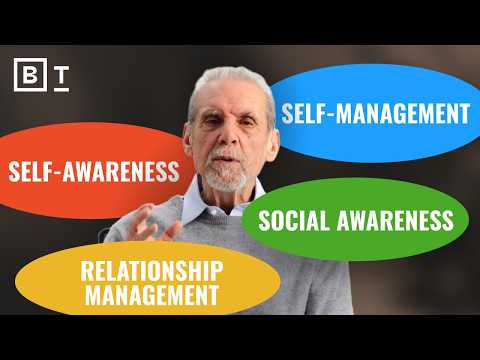
Well, that’s where self-awareness comes in. It’s seriously a game changer. And guess what? There’s this cool framework by Daniel Goleman that can really help with that.
Imagine getting to know yourself better—your thoughts, emotions, and how they all mix together. Sounds pretty awesome, right?
With the right tools, you can start picking apart those little quirks and patterns that shape your life. It’s not always easy, but trust me, it’s worth the effort! So let’s jump into Goleman’s world and see what magic awaits us.
Enhancing Self-Awareness: Insights from Daniel Goleman’s Emotional Intelligence Framework
Self-awareness can feel like that elusive thing we chase after but can’t quite get our hands on. It’s that moment when you suddenly realize what’s going on inside your head and how it affects the way you interact with the world. Daniel Goleman, a psychology guru known for his work on emotional intelligence, really breaks this down for us.
So, what’s Goleman’s deal with self-awareness? Well, he says it’s one of the key parts of emotional intelligence. Basically, emotional intelligence is all about understanding your emotions and those of others. Self-awareness kicks it off by helping you recognize your feelings and how they impact your thoughts and actions.
Goleman identifies a few major components of self-awareness:
Now, let’s talk about some real-world stuff here. Picture Anna, a graphic designer who constantly feels overwhelmed at work but can’t quite pinpoint why. Through some reflection (and maybe a little journaling), she realizes her perfectionism makes her overthink every little detail! Once she recognizes this pattern, she starts to give herself permission to make mistakes without panicking.
Another important piece is understanding how self-awareness connects to empathy. When you know yourself better, you’re also more likely to understand others—like figuring out why someone else might be upset instead of just taking it personally.
But here’s the kicker: enhancing self-awareness isn’t a one-and-done kind of thing. It takes practice! Regular check-ins with yourself are golden here. You might kickstart this by asking questions like “Why did I react that way?” or “What am I really feeling right now?”
Incorporating Goleman’s insights into daily life means taking small steps towards being more aware. It could be as simple as paying attention during conversations or taking time at the end of the day to reflect on how things went down.
At the end of the day, embracing self-awareness is super empowering—it lays the groundwork for better relationships, improved mental health, and overall growth as an individual. So why not give it a shot? It may just change how you see yourself and those around you!
Understanding Goleman’s Theory: The 5 Key Components of Emotional Intelligence
Emotional intelligence, or EI, is a big deal when it comes to how we understand ourselves and interact with others. Daniel Goleman, a psychologist, really put this idea on the map with his theory about the five key components of emotional intelligence. Let’s break them down to see how they can help you cultivate self-awareness.
1. Self-Awareness
This is all about recognizing your own emotions and how they affect your thoughts and behavior. It’s like having a built-in mirror reflecting what’s going on inside you. For example, if you feel anxious before a big presentation, being self-aware means you can acknowledge that anxiety rather than pushing it down. You might say to yourself, “Okay, I’m nervous, but that’s totally normal.”
2. Self-Regulation
After noticing your emotions, you need to manage them. This isn’t about stuffing feelings away; it’s more like steering your emotional ship instead of letting it drift aimlessly. If something frustrates you at work—maybe a coworker’s comment—you could take a deep breath before responding instead of snapping back immediately.
3. Motivation
This refers to using your emotions to reach goals; it’s like having an internal cheerleader pushing you forward! When you’re passionate about something, it’s easier to stay focused and maintain enthusiasm even when things get tough. For instance, if you’re studying for an exam and feeling overwhelmed, tapping into that motivation can help you push through.
4. Empathy
Empathy is all about understanding other people’s feelings without necessarily experiencing them yourself. It helps us connect deeply with others’ experiences and perspectives. Picture a friend who’s going through a hard time; being empathetic means listening intently and validating their feelings instead of jumping in with solutions right away.
5. Social Skills
This is where all the magic happens in relationships! Good social skills mean you’re able to communicate effectively and build strong connections with others. Think of someone resolving conflicts calmly or inspiring teamwork in a group project—they’re using social skills rooted in emotional intelligence.
Using Goleman’s framework can seriously enhance your self-awareness and interactions with others. By focusing on these components—self-awareness, self-regulation, motivation, empathy, and social skills—you’ll find it easier to navigate life’s ups and downs while also connecting more meaningfully with those around you.
So yeah, diving into emotional intelligence isn’t just for therapists or psychologists; it’s something we all can benefit from every day!
Exploring the Three Dimensions of Self-Awareness According to Daniel Goleman
Self-awareness is a big deal in psychology, right? It’s all about knowing yourself—your thoughts, feelings, and how you fit into the world. Daniel Goleman really broke it down into three dimensions, making it a bit easier to wrap your head around. So, let’s take a look at what these dimensions are and how they can help us grow.
The First Dimension: Self-Recognition
This is all about recognizing your own emotions. It’s not just about knowing you’re feeling sad; it’s more like understanding why you feel that way. For example, let’s say you’re feeling anxious before an important meeting. Instead of just feeling jittery, self-recognition helps you pinpoint that maybe you’re scared of failing or worried about how others see you.
The Second Dimension: Self-Understanding
Here’s where it gets deeper. Self-understanding involves seeing the reasons behind your emotions and actions. Think about this—ever made a decision that didn’t turn out well and then wondered why? That’s what this dimension tackles! Maybe you often choose to avoid conflict because past experiences taught you that arguments lead to hurt feelings. This awareness helps guide future choices.
The Third Dimension: Self-Management
So now we’ve recognized our emotions and understood them better; what do we do with that knowledge? That’s where self-management comes in! It’s all about controlling those emotions instead of letting them control you. If the meeting anxiety kicks in again, instead of panicking, maybe you’ll take a deep breath or reframe your thoughts to feel more confident.
Goleman’s framework isn’t just theory; it actually impacts how we live our daily lives. For instance, if you’re having a rough day at work and recognize that you’re annoyed because of personal things happening at home, you might manage your emotional reactions better than if you just let anger spill over everywhere.
These dimensions aren’t standalone; they kind of work together like a chain reaction. When one improves, the others often follow along for the ride—and that’s how real growth happens! So if you’re looking to cultivate self-awareness using Goleman’s ideas, start by checking in with yourself on these three levels regularly.
In short, understanding these three dimensions makes navigating life way easier—like having GPS for your emotional journey! Plus, it opens up paths to better relationships with others since self-awareness can lead to improved empathy and communication too. So next time you’re having those feelings bubbling up inside or making choices that don’t quite fit right… remember Goleman has given us some tools here!
Self-awareness is one of those things that sounds all zen and important, you know? But seriously, if you want to understand yourself better and navigate life with a little more grace, it’s worth digging into. Daniel Goleman’s framework on emotional intelligence really gives us a solid starting point here. He breaks it down into several components, but at its core? It’s about tuning in to your emotions and how they shape your behaviors.
I remember a time when I lost my temper over a tiny mistake at work. It was such an embarrassing moment because later I realized how out of proportion my reaction had been. If I had taken a moment to check in with myself—like actually acknowledge what was triggering me—I could’ve avoided that whole cringe-fest. Seriously, self-awareness is like holding up a mirror to yourself, but one that actually shows the good stuff along with the ugly.
Goleman talks about recognizing our own feelings first before we can empathize with others. This totally resonates with me. When I’m in tune with what I’m feeling, like when I’m anxious or frustrated, I can have better conversations. Instead of snapping at someone for no reason, I can say «Hey, I’m having a rough day.» That small shift makes all the difference.
What I appreciate about Goleman’s framework is how it emphasizes growth—it’s not just about knowing yourself now but being open to change over time. You start noticing patterns; maybe you always feel anxious before presentations or frustrated after long meetings. Once you’re aware of these reactions, you can work through them rather than let them control you.
So cultivating self-awareness isn’t just some fluffy concept; it’s a practical skill that helps turn down the noise in our heads and makes us calmer human beings in social situations too. And yeah, it takes practice—but little by little, you’ll find yourself handling life with way less drama and more clarity. It’s not magic; it’s just making the effort to check in with yourself regularly and being patient as you grow from there.