You know those days when your brain just feels, well, foggy? Like, you’re trying to think of the word «apple,» but all you can come up with is «thingy»? Super frustrating, right?
Well, for some folks, that’s a real struggle. Graves’ disease can play a big role in how your brain functions. It’s not just about the physical symptoms; it messes with your head in ways most people don’t even realize.
Imagine having all this energy one minute and then *bam*—feeling lost and confused the next. If you’ve ever felt that rollercoaster of emotions or experienced a bit of brain fog yourself, you’re definitely not alone. People dealing with Graves’ know exactly what I’m talking about.
Let’s chat about how this all connects to mental health. It’s wild how something physical can really twist up our thoughts and feelings. Grab a cup of coffee (or whatever) and let’s unpack this together!
Exploring the Emotional Impact of Graves’ Disease: Understanding the Connection Between Thyroid Health and Mood
When you think about thyroid health, you might not immediately connect it to your mood or emotional state. But, if you’ve heard of Graves’ disease, a common cause of hyperthyroidism, you might want to pay attention because this condition can seriously mess with how you feel.
Graves’ disease happens when your immune system goes a bit haywire and attacks your thyroid gland. This leads to that little butterfly-shaped gland producing too much thyroid hormone. The thing is, those hormones don’t just regulate your metabolism but they can also play a huge role in mood regulation.
You see, when your body is running at full throttle due to excess thyroid hormones, it can lead to feelings of anxiety or irritability. Imagine waking up feeling like an electric ball of energy but struggling with the overwhelming sense that everything feels off. That’s the reality for many folks living with Graves’ disease.
- Anxiety: Due to increased hormone levels, anxiety can spike. It’s like riding a roller coaster without knowing when the drop is coming!
- Depression: While some people feel hyper, others may crash into feelings of sadness or hopelessness. It’s all connected.
- Brain Fog: You might find it hard to concentrate or remember things clearly—like trying to think through a foggy window.
A friend of mine told me how she was diagnosed with Graves’ disease after months of feeling emotionally unsteady. She described days where her mind felt as chaotic as her racing heart—unable to focus on any one thing for long. Imagine wanting to join in on conversations but feeling lost in thought? That’s brain fog hitting hard.
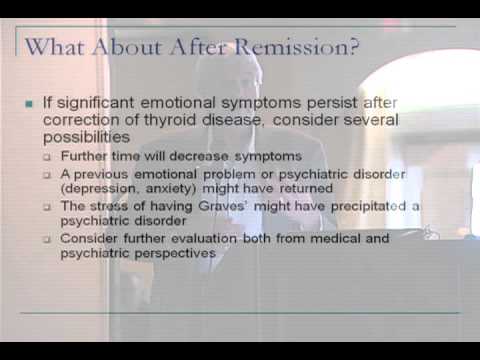
The emotional ups and downs can be really frustrating, and treating Graves’ isn’t just about fixing the physical symptoms; it’s critical to address the emotional ones too! Many people find therapy helpful during this process because it offers an outlet for processing these feelings without judgment.
If you’re dealing with this kind of struggle—or know someone who is—it’s important to keep communication open with healthcare providers about both physical and mental health symptoms. Finding support from family, friends, or support groups can also make navigating these challenges less lonely.
The road may be tough at times, but remember: taking care of both your mind and body matters! Balancing treatment for Graves’ disease and being mindful of its emotional impact is key in finding that sense of wellness again.
Understanding Thyroid Depression: Symptoms, Feelings, and Insights
You know, the story of thyroid health and mental wellness is a bit intricate, especially when it comes to conditions like Graves’ disease. This autoimmune disorder can kick your thyroid into overdrive, leading to hyperthyroidism. This state affects not just your body but definitely creeps into your mind too.
When we say “thyroid depression,” we’re talking about how imbalances in thyroid hormones can lead to feelings of sadness or depression. It’s more than just feeling blue; it’s like an emotional fog that you can’t shake off easily. Imagine waking up some days and feeling like you’re in a haze—totally uninspired, right? That’s where brain fog comes in.
Common Symptoms of Thyroid-Related Depression
Feeling overwhelmed? You’re not alone. Here’s what to look out for:
I remember this friend who lived with Graves’ disease; she often described her days as “being stuck underwater.” She had this constant fatigue that made everything feel heavy, even simple tasks seemed monumental. On top of that, her mind felt fuzzy—like she was navigating life through a thick glass.
The Emotional Rollercoaster
The feelings associated with thyroid issues go beyond typical depression—they’re layered with physical symptoms too. It’s confusing! You might think it’s just “you,” but it could be tied directly to those thyroid hormones acting up.
Graves’ disease can create feelings of anxiety or panic as well. The racing heart and jitters make everything worse when you’re already dealing with low moods and motivation.
Most importantly, understanding you’re not alone is huge. When people start to recognize their symptoms are linked back to their thyroid health, it’s like they breathe for the first time—it brings clarity!
Treatment Insights
Addressing thyroid-related mental health isn’t only about medication; it’s about looking at the whole picture. It’s usually necessary to work closely with healthcare providers who understand both the physical and psychological aspects.
So here’s what generally happens:
It’s vital that if you’re feeling any of these things—don’t hesitate! Reach out for help from professionals who get how intertwined our bodies and minds are.
In wrapping this up, remember: if you’ve got thyroid issues affecting your mood or cognition—it absolutely makes sense! Your experience is real! Taking charge by seeking support is a strong step forward, so keep pushing for the clarity you deserve—you’ve got this!
Understanding the Link Between Graves’ Disease and Brain Fog: What You Need to Know
Graves’ disease is an autoimmune disorder that affects your thyroid, which is a little butterfly-shaped gland in your neck. This bad boy cranks out hormones that control a ton of stuff in your body—like metabolism and energy levels. When you have Graves’ disease, unfortunately, your thyroid tends to go into overdrive, producing way too many hormones. That’s where the connection to brain fog comes in.
When you’re experiencing brain fog, it’s like trying to think through a thick cloud. You may feel forgetful or have trouble concentrating on tasks you usually handle with ease. It can be incredibly frustrating since it impacts your daily life and mental health.
One major reason this happens is due to the hormonal imbalance caused by Graves’. Hyperthyroidism (that’s what we call it when the thyroid works overtime) can lead to symptoms such as anxiety, fatigue, irritability, and yes—brain fog. When those hormone levels are all over the place, it can mess with neurotransmitters in your brain. These are chemicals that help transmit signals between nerve cells and are super important for mood regulation.
Here are some key points about the link between Graves’ disease and brain fog:
- Hormonal Imbalance: The excess thyroid hormones can lead to increased anxiety and stress levels.
- Fatigue: Feeling physically drained might make it harder for you to focus mentally.
- Nutritional Deficiencies: Sometimes people with Graves’ experience weight loss or changes in appetite that impact their nutrition.
- Mood Changes: With all those added stressors on your mind, feelings of depression or irritability often creep in.
Let’s chat about fatigue for a second; it’s not just about being tired physically. It seeps into mental processes too. Imagine having one of those days where even simple decisions feel overwhelming—it’s exhausting! Lack of energy can make you less motivated to engage socially or even tackle everyday responsibilities.
Also, nutritional deficiencies play a sneaky role here. If you’re losing weight or not eating well because of symptoms like anxiety or nausea from Graves’, you might miss out on vital nutrients that keep both your body and mind healthy. For instance, low iron levels can make you feel foggy-headed.
Managing these symptoms usually involves addressing both Graves’ disease itself and its side effects on mental health. Some folks find medication helpful—like beta-blockers or anti-thyroid drugs—to minimize hormonal fluctuations while addressing brain fog with things like therapy or lifestyle changes.
Remember this: you’re not alone if you’re feeling confused or fuzzy-headed while dealing with Graves’. Many people experience these challenges as part of their journey—and understanding what’s going on can really help in coping strategies that work for you.
So if you’re noticing brain fog alongside any other symptoms tied to Graves’, it’s worth chatting with a healthcare professional who gets both the physical and mental health aspects. It might just be the key to feeling more balanced overall!
So, let’s chat about Graves’ disease and this sneaky little thing called brain fog. If you don’t know, Graves’ is an autoimmune disorder that messes with your thyroid. And when that thing goes haywire, it can really throw your body—and mind—into a tailspin.
You might be wondering about brain fog. It’s like trying to think through a heavy blanket; your thoughts feel slow and fuzzy. You know that feeling when you’ve just pulled an all-nighter or had too many drinks? Yeah, brain fog can feel something like that but stick around for weeks or even months.
Imagine waking up one day, feeling oddly wired but also like you’ve got cotton stuffed in your head. You want to get stuff done—maybe tackle some work projects or have fun with friends—but instead, you’re just sitting there, staring blankly at a screen. It’s frustrating! I remember chatting with a friend who has Graves’ disease, and she described it perfectly: «I feel like my brain is on a different channel than my body.» Like, she’d be pumped up to go out but then couldn’t hold a conversation without losing her train of thought halfway through.
Now combine that with the ups and downs of managing a chronic illness. The anxiety alone can be enough to make anyone feel overwhelmed. You’re dealing with physical symptoms—like rapid heart rate or weight changes—and then this fog makes everything harder to navigate emotionally. It’s not just about feeling off; it can lead to feelings of isolation or sadness because, let’s face it, how do you explain all this to someone who’s never experienced it?
The thing is that brain fog isn’t just an annoying little hiccup; it can seriously mess with your mental health. When you’re struggling to concentrate or remember things, even the simplest tasks become monumental challenges. This cycle of frustration can pull you down further into anxiety or depression—a real nasty spiral.
But there’s hope! Getting proper treatment for Graves’ can help clarify those foggy moments—think of it as opening the windows on a dreary day. Finding the right support from friends, family, or even support groups can make all the difference too.
So yeah, navigating life with Graves’ disease and brain fog is definitely tough. But understanding the connection between these physical symptoms and their effect on mental health could help you—or someone you care about—find ways to cope better along the way! Ultimately, being aware just makes it easier to tackle whatever comes next with more clarity and maybe even some grace.