You know those days when your mind is racing, and it feels like you’re juggling a million things? Yeah, we’ve all been there.
Sometimes, the best way to hit pause on that chaos is to get grounded. No, I don’t mean standing in one spot—although that could work too! I’m talking about grounding exercises.
They’re simple ways to reconnect with the here and now. Think of it like hitting “refresh” on your brain. Sounds good, right?
So, let’s chat about how grounding can totally boost your mental well-being. Trust me; it’s worth exploring!
Unlocking the Benefits of Grounded Exercise for Enhanced Mental Wellbeing: Download Your Free PDF Guide
Grounded exercise is, in a nutshell, all about connecting with the earth and your body. You ever hear folks say, “I just need to ground myself”? It’s not just a trendy phrase; it really does mean something for our mental wellbeing.
When you engage in grounded exercises, you’re not only moving your body but also reconnecting with the here and now. This can be super helpful when life feels overwhelming or chaotic. The idea is to draw your focus away from racing thoughts and onto physical sensations. Seriously, it’s like taking a mental vacation.
What is Grounded Exercise?
So, what are we talking about when we say grounded exercise? Think of activities that get you to feel rooted—like yoga, tai chi, or even just going for a walk barefoot on grass. It’s about feeling the connection between your body and the ground beneath you.
Benefits Galore!
Here’s where it gets interesting: grounded exercises can really pump up your mental health in some pretty cool ways:
It reminds me of this one time when I was stressed beyond belief with work deadlines piling up like dirty laundry. I decided to take my shoes off and walk on the grass at the local park for just 10 minutes. What a game changer! I felt my shoulders drop and my thoughts start to clear.
Types of Grounded Exercises
So what exactly can you do?
You don’t have to be an expert or a fitness fanatic either! Just moving your body intentionally is enough.
The Science Behind It
Research shows that these types of movements can decrease stress hormones and boost overall happiness levels. It’s solid proof that being active outdoors—and feeling connected—can change how we feel inside.
So whether you’re dealing with stress at work or personal struggles at home, grounding yourself through exercise might offer some relief. Next time life feels outta whack, why not give it a shot? Your mind (and feet) will thank you for it!
In short, grounding exercises are important tools for enhancing mental health that everyone should consider incorporating into their lives—in whatever way feels right for them!
Essential Grounding Techniques: Download Your Free PDF Guide for Mental Well-Being
Grounding techniques can be super helpful when you’re feeling overwhelmed or anxious. They’re all about bringing yourself back to the present moment. You know how sometimes your mind just races with worries? Grounding helps you stop that runaway train, allowing you to regain your composure.
So, what are grounding techniques? Well, these are strategies designed to anchor you in the here and now. They steer your focus away from distressing thoughts and emotions. By engaging your senses or your body, they can assist in grounding yourself.
Here’s a few popular methods:
You might remember a time when everything felt like it was closing in on you—like that dreadful panic before giving a presentation or an argument with a friend. Grounding techniques could’ve helped pull you back from that edge.
Another effective method is visualization. Picture yourself in a favorite place—maybe on the beach or in the woods—and immerse yourself in the details: feel the sand beneath your feet or hear the rustle of leaves. Imagining those scenes can transport your mind away from stress.
Writing can also ground you. Try jotting down thoughts in a journal. It gets everything swirling around inside out where you can see them clearly. When I was feeling anxious during college finals, just writing about my feelings helped me realize I wasn’t alone in my struggles.
And don’t forget about mindfulness meditation. Spending even just five minutes focusing on your breath or observing thoughts without judgment helps create space between you and overwhelming feelings.
Each technique varies from person to person; what works for someone might not do much for another—it’s all about finding what resonates with you! So maybe try mixing and matching different techniques until something clicks.
Remember these grounding practices are not one-size-fits-all solutions but rather tools for maintaining mental well-being as needed; use them when life gets tough!
If you’re looking for more information on this topic, there are lots of resources out there—some even offer free PDF guides packed with exercises and ideas to explore further! Just be sure to check them out when you’re ready!
Effective Grounding Exercises for Group Mental Health: Enhance Connection and Well-Being
Grounding exercises can be super helpful for groups in mental health settings. They’re like little tools to bring you back to the present moment. You know, when things feel overwhelming or chaotic, grounding can help everyone find their footing again. Plus, they enhance connection and well-being within the group. Let’s break this down a bit.
What Are Grounding Exercises?
These are techniques designed to anchor you in reality and get your mind off of distressing thoughts or feelings. Basically, they’re all about reconnecting with the here and now.
Benefits of Group Grounding Exercises
When done in a group setting, grounding exercises can strengthen relationships and foster a sense of belonging. Here’s why they rock:
- Enhanced Connection: Sharing these experiences creates bonding moments.
- Collective Calmness: Everyone gets to chill out together.
- Diverse Perspectives: Each person brings something unique to the table, enriching the experience.
- Coping Skills: Learning together helps everyone build better strategies for managing stress.
A Few Effective Techniques
Here are some simple grounding exercises that can work wonders in a group setting:
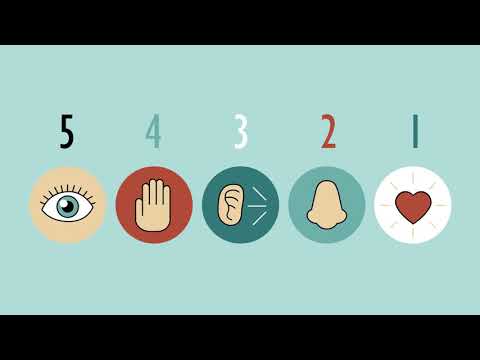
The Five Senses Exercise:
This one’s about tuning into your senses. Ask everyone to name:
- Five things they can see
- Four things they can touch
- Three things they can hear
- Two things they can smell
- One thing they can taste
Sharing what each member experiences adds depth and connection to the exercise.
Try some synchronized breathing. Inhale deeply for four counts together, hold it for four, then exhale slowly for six counts. It sounds simple but trust me—it brings everyone into sync.
Palm Grounding:
This exercise involves placing your hands flat on a surface—maybe a table or even your lap. Feel the weight of your hands pressing down while breathing deeply. Share how it feels afterward; it’s wild how much people connect over something so basic!
The Gratitude Circle:
Everyone takes turns sharing something they’re grateful for; it could be as small as enjoying sunshine or as big as support from friends. It shifts focus from stressors to positive feelings.
Once I was part of a retreat where we did these activities around a campfire one night—just sitting there, connecting through shared stories and breaths under the stars felt magical! Everyone left with smiles on their faces and lighter hearts.
Incorporating grounding exercises into group sessions makes such a difference. Not only does it create an atmosphere of support, but it also nurtures healing connections amongst members. Seriously worth trying out!
You know those days when your mind is racing a mile a minute? Like, you can’t even get a moment of peace. I’ve been there, and it can feel overwhelming, making everything seem heavier than it is. But I’ve discovered something really helpful: grounding exercises. They’re not just for fancy yoga studios or mindfulness classes. They’re super accessible and can seriously boost your mental wellbeing.
Grounding exercises are basically little techniques to help you reconnect with the present moment. You know, when we get wrapped up in our thoughts—worrying about the past or stressing over the future—it’s easy to forget to breathe and just be here now. That’s where grounding comes in. It’s about anchoring yourself, kind of like being a tree with deep roots.
One of my favorite go-to exercises is the 5-4-3-2-1 technique. It’s simple but effective. You look around and notice five things you can see, four things you can touch, three things you can hear, two things you can smell (easier said than done sometimes!), and one thing you can taste. It’s a good way to pull yourself back into your body and away from all that mental clutter.
I remember one day last spring, feeling particularly anxious about some stuff going on in my life—work was chaotic, and personal relationships felt rocky. I decided to take a walk outside, not really thinking about it being a grounding exercise at all. As I walked along this shaded path lined with trees, I started noticing the colors around me—the bright green leaves against the blue sky—and how the breeze felt on my skin. Suddenly, that weight on my chest began to lift just a little bit. It was almost like my mind took a timeout while my senses got to hang out.
That’s what grounding does; it helps break that cycle of anxiety or fear by focusing on what’s right in front of you instead of what might go wrong later on—or what has already gone down in the past. And honestly? It feels amazing.
So if ever you’re feeling overwhelmed or lost in your head, give some grounding methods a try! They don’t require special equipment or training—just you taking a sec to check back in with yourself and your surroundings. Life gets busy; it happens to us all—but those moments spent re-centering yourself are invaluable for keeping your mental health in check!