You know those days when you just feel all over the place? Like your mind is racing and your body feels like it’s in a different universe? Yeah, we’ve all been there.
So, check it out. Grounding and centering techniques can be super helpful. They’re like little hacks to pull yourself back into the moment, you feel me?
Imagine taking a deep breath and feeling your feet on the ground. It’s simple, but it really works wonders!
These techniques can help you chill out when everything around you feels overwhelming. Sound good? Let’s explore some ways to get back to feeling centered and calm.
Transform Your Mental Wellbeing: Effective Grounding and Centering Techniques to Try
Feeling a bit overwhelmed? Trust me, you’re not alone. We all have those days when life feels like a whirlwind, and it can be tough to keep your feet on the ground. That’s where grounding and centering techniques come in. These practices are all about helping you reconnect with the present moment, which can be super helpful for your mental wellbeing.
What is Grounding? It’s pretty simple, actually. Grounding techniques help pull your focus away from distressing thoughts or feelings and bring you back to the here and now. Imagine you’re standing on firm ground instead of floating around in a sea of anxiety. Sounds nice, right?
Here are some effective grounding techniques you can try:
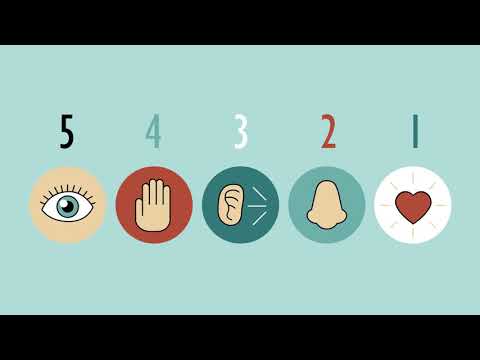
- 5-4-3-2-1 Technique: This one’s a classic! You start by identifying 5 things you can see around you. Then, move on to 4 things you can touch; maybe the fabric of your shirt or the chair you’re sitting in. Next, think of 3 things you hear—like birds chirping or traffic sounds outside. After that, identify 2 things you can smell (or imagine smelling), and finally, one thing you can taste.
- Breathing Exercises: So simple yet so powerful! Try taking deep breaths: inhale slowly for four counts, hold it for four counts, then exhale for six counts. Feel that tension melt away with every breath.
- Sensory Grounding: Use everyday items to connect with your senses. For example, keep something soft like a stress ball nearby to squeeze when you’re feeling anxious—this gives both tactile feedback and relieves tension!
- Nature Walks: Getting outside is magic! A brisk walk in nature helps engage your senses while grounding you in the moment. Pay attention to how the leaves rustle or how the sunlight feels on your skin.
Now onto Centering. This is about finding balance within yourself; it’s like tuning an instrument before playing music. When you’re centered, it’s easier to manage stressors without getting tossed around by every little thing.
A few centering techniques include:
- Meditation: Just sit comfortably somewhere quiet and let your mind settle for a bit. Focus on your breath or visualize calm places; this might seem tricky at first but stick with it!
- Aromatherapy: Scents can be powerful anchors. Lavender or sandalwood essential oils might help calm a racing mind—it’s worth experimenting to see what works best for ya.
- Palm Presses: Press your palms together firmly in front of your chest for a few moments; this physical gesture can bring awareness back to your body quickly!
- A Gratitude Journal: Writing down a few things you’re grateful for shifts focus from what’s dragging you down to what’s lifting you up.
A buddy of mine once told me about her experience with grounding during panic attacks—it was like flipping a switch from chaos to clarity! She tried various techniques but found that focusing on her breath while counting reminded her she was safe right where she was.
So basically, grounding and centering are tools in your emotional toolbox—a way to hit pause when life feels too messy or overwhelming. Play around with these techniques until something clicks for ya—you might just find that calmer version of yourself lurking beneath all that noise!
Essential Grounding Techniques: Download Your Free PDF Guide for Better Mental Health
Grounding techniques can be super helpful, especially when your mind feels like it’s running a marathon and your emotions are all over the place. These techniques help you stay connected to the present moment. They can pull you back from those overwhelming feelings, bringing your focus back to here and now.
Why do we need grounding? Well, sometimes life throws us curveballs. Think about a time when you felt anxious or stressed. Maybe it was before a big presentation or during a tough conversation. In moments like these, grounding helps to anchor you emotionally and mentally.
1. Breathing Exercises
A classic grounding technique is focusing on your breath. Seriously, it’s simple but effective. Try taking deep breaths—like in for four counts, hold for four counts, and out for four counts. This slows down your heart rate and calms your mind.
2. The 5-4-3-2-1 Technique
This method is really cool for snapping yourself back into reality. You just identify:
- Five things you can see.
- Four things you can touch.
- Three things you can hear.
- Two things you can smell.
- One thing you can taste.
It makes your brain focus on what’s around you instead of getting lost in thoughts.
3. Physical Grounding
Sometimes you’ve got to connect physically with reality. Walk barefoot on grass or feel different textures around you—like the fabric of your clothes or the surface of furniture. It sounds funny, but sensory experiences really ground us!
4. Visualization
Close your eyes and picture a calming scene—a beach maybe or a cozy room with a fireplace? Imagine yourself there in detail: what do you see? Hear? Smell? This mental image can help soothe anxious feelings.
5. Affirmations
Positive affirmations can also act as grounding tools! Repeating phrases like «I am safe» or «This feeling will pass» helps shift focus away from spiraling thoughts and reassures yourself of stability.
When it comes to applying these techniques in real life, it’s about finding what clicks for you personally! Practice them regularly so they’re second nature when stress hits hard.
Remember that it’s okay to seek extra support if these techniques don’t fully relieve what you’re feeling—life’s ups and downs are no joke! Connecting with friends, family or mental health professionals gives added strength during those bumpy rides.
In essence, grounding techniques are like mental life jackets—they keep us afloat when the waves get choppy!
Effective Grounding Techniques to Overcome Dissociation: Your Guide to Reconnecting with Reality
Dissociation can feel like you’re watching your life from the outside. You know, like when you’re just zoning out, lost in your thoughts. It’s unsettling, right? Grounding techniques can help pull you back into the present and make reality feel a little less fuzzy. Let’s break down some effective ways to reconnect with yourself and your surroundings.
What is Grounding?
In short, grounding is about helping you establish a solid link to the here and now. It’s like putting on a mental pair of shoes so you don’t float away.
Sensory Awareness
One powerful way to ground yourself is through your senses. Engaging with what you can see, hear, smell, touch, or taste helps bring you back to where you are.
- Five Things You See: Look around and name five things you see. They could be anything from a coffee cup to a tree outside.
- Four Things You Can Touch: Next, focus on four things around you that you can touch. Maybe it’s your chair, your phone, or even a pen.
- Three Sounds: Try to listen for three distinct sounds—like birds chirping or cars driving by.
- Two Smells: If possible, take a moment to sniff something nearby that brings comfort—like coffee or fresh air.
- One Taste: If you’re able to eat something—a piece of candy or chewing gum can be great for this part—pay attention to its texture and flavor.
Breathing Techniques
Another grounding method involves focusing on your breath. It sounds simple but really works wonders.
- The 4-7-8 Breathing: Inhale through your nose for four seconds, hold it for seven seconds, then exhale through your mouth for eight seconds. Repeat as needed!
- Belly Breathing: Place one hand on your belly and breathe deeply so that hand rises and falls with each breath. This creates a calming rhythm.
This Might Surprise You
Movement can also help! A quick walk or simple stretches might shake off those dissociative feelings.
Mental Exercises
You could also try some mental techniques.
- The 54321 Technique: Similar to sensory awareness but focused more on thought patterns instead of immediate surroundings.
- Grounding Statement:b Say something affirming out loud like “I am safe,” “I am here,” or «This feeling will pass.» Speaking these thoughts reinforces reality in powerful ways.
And if at times you’re still struggling? Don’t hesitate to reach out for professional help; therapists are trained in techniques tailored just for moments like these.
Honestly speaking? Everyone’s different when it comes to what helps them feel grounded. So try out various methods and see what resonates with you most! You’ll find that it’s not just about getting back into the moment; it’s about creating an ongoing practice of self-awareness and self-care too!
You know those moments when everything feels like it’s spinning out of control? Like, your mind’s running a marathon while your body’s still at the starting line? Yeah, I’ve been there too. When life gets overwhelming—work stress, family drama, or just the weight of existence itself—grounding and centering techniques can be real lifesavers.
So what’s grounding, anyway? Think of it as a way to connect with the here and now. It’s about anchoring yourself, pulling your thoughts back into your body instead of letting them float away into worry. You might try focusing on your breath or even feeling your feet on the ground. Seriously! Just noticing that sensation can bring back a little calm when everything around you feels chaotic.
And then there’s centering, which is kind of like setting up a base camp in your mind. It’s about finding that inner space where you feel safe and balanced. You know what I mean? Like when you sit quietly and visualize a place that makes you feel good—maybe it’s a beach or somewhere else peaceful. Just picturing it can help ground you in those tough moments.
I remember one time when I was freaking out about an upcoming presentation at work. My stomach was in knots, and my brain was all over the place. I started doing this simple thing: I closed my eyes for just a minute and took deep breaths, counting to four while inhaling and six while exhaling. After just a few rounds of that, I felt a bit steadier. Weirdly enough, just being aware of my breath made everything seem less daunting.
People use other techniques too—like squeezing a stress ball or naming five things you can see around you. The key is finding what works for you personally since everyone has their own vibe.
So yeah, grounding and centering techniques might sound simple but they can seriously shift your perspective during those intense moments in life. Sometimes we just need to pause for a second and remind ourselves that we’re okay—even if outside chaos is threatening to knock us off balance. It’s all about connecting back to yourself—kind of like hitting “refresh” on your brain!