You know those days when your mind is racing? Like, a million thoughts flying around, and you can’t catch a single one? It can be overwhelming, right?
Well, grounding techniques are like little anchors. They help you chill out and stay in the moment. And honestly, they’re super simple to use in your everyday life.
Imagine being able to kick that anxiety to the curb. Sounds nice, doesn’t it? You don’t need a fancy meditation retreat or anything. Just some easy tricks up your sleeve.
Let’s chat about ways to bring mindfulness into your day-to-day routine. Trust me; it can make a world of difference!
Downloadable PDF: Effective Mindfulness Grounding Techniques for Enhanced Mental Well-Being
Grounding techniques are super helpful when life feels overwhelming. They help you come back to the present, which can be a real lifesaver. Basically, grounding is about connecting with what’s around you and what’s happening right now. It can be especially useful when anxiety or stress kicks in.
Why Use Grounding Techniques?
Well, they help reduce feelings of anxiety or panic. When your thoughts start spiraling out of control, grounding can gently pull you back to reality. You know how sometimes your mind races with worries about the future? Grounding helps with that! It’s like a mental pause button that gives you space to breathe and reset.
Common Grounding Techniques:
Here are some effective techniques that might work for you:
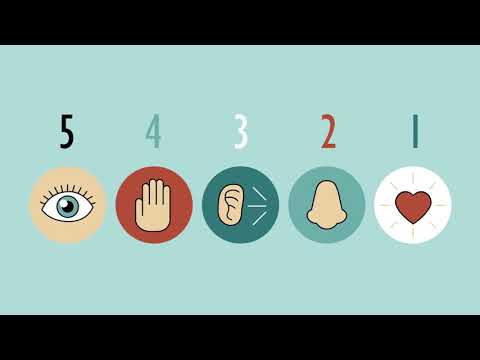
- 5-4-3-2-1 Method: This involves identifying five things you can see, four things you can touch, three things you hear, two things you smell, and one thing you taste. It’s a simple way to engage your senses.
- Breathing Exercises: Focus on your breath—count each inhale and exhale slowly. Try inhaling for 4 counts, holding for 4 counts, then exhaling for 4 counts.
- Body Awareness: Check in with your body by noticing how it feels against the chair you’re sitting in or the ground beneath your feet.
- Mental Imagery: Picture a calm place where you feel safe and happy. Spend a few moments visualizing it in detail.
You can try one or mix them up depending on what feels right at the moment.
When to Use Them:
These techniques aren’t just for when times get tough—use them anytime! Maybe before stepping into a stressful meeting or during those quiet moments at home when your mind starts wandering into uncomfortable territory.
I once had this friend who struggled with panic attacks. She started using grounding techniques whenever she felt that familiar tightness in her chest. Just focusing on how her feet connected to the floor helped her feel more stable and secure.
The Bottom Line:
Grounding techniques are all about bringing yourself back to this moment so you can regain control over racing thoughts or overwhelming feelings. Practice these techniques regularly; they might become second nature over time!
So if you’re looking for ways to enhance your mental well-being and find some peace during chaotic moments, give grounding a shot! You never know—one day it could be just what gets you through a tough day.
Essential Grounding Techniques: Free PDF Guide for Managing Anxiety and Stress
Grounding techniques can be a total lifesaver when you’re feeling overwhelmed by anxiety or stress. They help pull you back to the present moment, grounding you in reality instead of letting your mind spiral. It’s all about reconnecting with the here and now, which can be really effective, you know?
To make it super clear, here are some essential grounding techniques:
- 5-4-3-2-1 Technique: This one is really popular. You basically focus on your senses. Start by naming 5 things you can see around you. Then, identify 4 things you can touch. Next, find 3 things you can hear. After that, pay attention to 2 things you can smell. Finally, think of 1 thing you can taste (or remember a favorite flavor if there’s nothing around).
- Mindful Breathing: Just take a moment to breathe deeply. Inhale through your nose for four counts, hold for four counts, and exhale through your mouth for six counts. It’s amazing how a few breaths can reset your brain.
- Physical Grounding: This just means feeling your body against the floor or chair. You might wiggle your toes or press your feet into the ground. Seriously makes a difference! Sometimes just planting yourself on the ground helps ease anxious feelings.
- Visualization: Imagine a peaceful place—could be somewhere real like a beach or made up like a cozy treehouse in the clouds. It’s like giving yourself a mini vacation without ever leaving home!
- Journaling: Writing down what you’re feeling helps to clear out mental clutter—like dumping all those racing thoughts onto paper so they stop swirling around in your head.
You know, I remember a time when my friend was just having one of those days where everything felt heavy and chaotic. She tried the 5-4-3-2-1 technique while we were at the park—she started with noticing how green the grass was and then found comfort in hearing birds chirping nearby. Just like that, she felt calmer and more connected to her surroundings.
These techniques are pretty easy to blend into daily life too; whether it’s before an important meeting or during a frustrating moment at home, they offer quick relief.
You might even want to compile these ideas into something handy—a PDF guide could work well! Just having it on hand means you’ll have methods ready whenever anxiety creeps up again.
In short, grounding techniques are all about reconnecting with reality to manage stress and anxiety effectively—plus they’re often free! Seriously worth trying out whenever you’re feeling that familiar unease creeping back in.
10 Practical Ways to Incorporate Mindfulness into Your Daily Life
Mindfulness can feel like this buzzword flying around everywhere, but it’s really about being present and aware in the moment. Grounding techniques are a fantastic way to make mindfulness part of your daily life. Here are some practical ways to incorporate mindfulness into your routine:
1. Start Your Day Mindfully
Instead of diving straight into your phone or tasks, take a moment when you wake up. Just lie in bed and take a few deep breaths. Feel the sheets against your skin and listen to the sounds around you. It’s a gentle way to ease into the day with intention.
2. Mindful Eating
When it’s time to eat, try this: put away distractions like your phone or TV. Focus on the colors, smells, and textures of your food as you eat slowly. Chew each bite thoroughly and notice how it tastes. You might find that meals become more enjoyable!
3. Use Your Senses
You can ground yourself by tuning into what your senses are telling you at any moment. Look around you; what do you see? What sounds do you hear? Can you identify different scents? Engaging with the world this way pulls you right back to the present.
4. Take Mindful Walks
When you’re out for a walk, focus on each step as if you’re learning how to walk all over again! Notice how your feet hit the ground, feel the air on your skin, or even observe how trees sway in the wind. This shifts your headspace from stress to serenity.
5. Incorporate Short Breathing Exercises
Whenever you catch yourself feeling overwhelmed, pause for just a minute or two and focus on your breath. Inhale deeply for four counts, hold for four, then exhale for six counts. This simple act can help center your thoughts quickly.
6. Create Mindfulness Reminders
Put little notes around your home or workspace that remind you to pause and breathe or reflect for a moment throughout the day—like sticky notes on your bathroom mirror or computer screen.
7. Mindfulness Apps
You don’t have to do this alone! There’s tons of apps available that guide mindfulness practices and meditations during those busy moments when distractions pop up like unwanted guests at a party.
8. Set Intentions Before Activities
Before starting any task—whether it’s work-related or personal—take a second to set an intention about how you’d like that experience to go: “I want this meeting to be productive” or “I’d like my workout today to be energizing.” It helps frame your mindset right from the get-go.
9. Acknowledge Your Emotions
When feelings arise—good or bad—don’t push them down! Instead, spend some time recognizing them without judgment: «Okay, I’m feeling anxious.» Accept where you’re at emotionally before moving forward.
10. End Your Day with Reflection
Before going to bed, think back over your day for just five minutes. What went well? What could’ve gone better? Reflecting helps digest experiences instead of letting them simmer under the surface while you’re trying to sleep.
Remember that mindfulness is all about practice—not perfection! It might feel weird at first; give yourself grace as you navigate integrating these techniques into daily life.
You know how some days can feel like, well, a total whirlwind? Like you’re being pulled in every direction and it’s hard to catch your breath? I remember once sitting in a coffee shop, my heart racing because I had way too much on my plate. The world felt overwhelming and I just wanted to hit pause for a bit. That’s when grounding techniques came to mind.
So, grounding is all about bringing yourself back to the present moment, kind of like putting down roots when everything feels chaotic. It’s these small tricks you can use anytime, anywhere to help anchor yourself when your mind floats off into stress or anxiety-land.
One way people often ground themselves is through their senses—like focusing on what they can see, hear, or touch. For example, next time you find yourself spiraling, try noticing five things around you. Maybe it’s the coolness of the chair you’re sitting on or the smell of fresh coffee. It’s incredible how this little shift can pull you back from that edge.
And let’s not forget breathing! Seriously, taking just a few deep breaths can do wonders. When I was feeling that anxiety at the coffee shop, I took a moment just to breathe deeply—in through my nose and out through my mouth. With each breath out, it felt like I was releasing that frantic energy.
Sometimes when life gets too noisy—literally or figuratively—the world feels like it’s closing in. That’s where these techniques come in handy. They remind us that we have control over our own minds and reactions even if everything else is a mess.
So yeah, grounding techniques aren’t just fancy phrases tossed around by wellness gurus; they’re practical tools for everyday life. If you try them out and stay mindful—like check in with how you’re feeling throughout your day—you might find that sense of calm we all crave peeking through those clouds now and then. And honestly? That little bit makes all the difference!