You know those days when your mind feels like it’s running a marathon? Yeah, I’ve been there. Thoughts bouncing around like crazy, and you’re just trying to catch your breath.
Well, grounding techniques might be just what you need. They’re like little life rafts for your brain. Seriously! These simple practices can help pull you back to the present moment and clear out that mental clutter.
Picture this: You’re in the middle of a stressful situation, heart racing, palms sweaty. Suddenly, you remember a technique that brings you back down to Earth. It’s empowering!
So let’s chat about some easy ways to find mental clarity and boost your overall wellbeing. It could make all the difference!
Essential Grounding Techniques: Download Your Free PDF Guide for Mental Wellness
Grounding techniques are like little tools you can use to help you feel more connected to the present moment. They’re especially helpful when your mind starts racing or when stressful feelings take over. You might be in a crowded place, or maybe just caught up in some overwhelming emotions. Whatever it is, grounding can bring you back down to Earth.
What are Grounding Techniques?
These techniques help anchor you, so you can regain focus and clarity. It’s all about redirecting your attention away from those chaotic thoughts or feelings and focusing on what’s happening around you or within your body.
Here are some key grounding techniques:
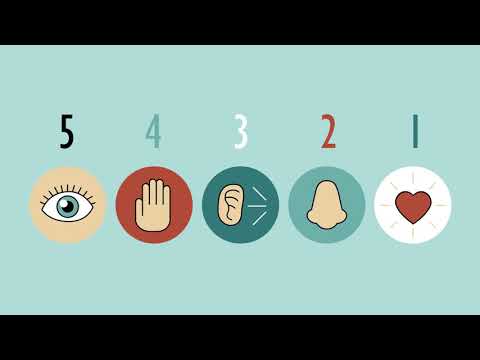
- 5-4-3-2-1 Exercise: This is a classic! You take a moment to notice five things you can see, four things you can touch, three things you can hear, two things you can smell, and one thing you can taste. It’s like a mini scavenger hunt for your senses!
- Breathing Exercises: Just breathing deeply can work wonders. Inhale slowly through your nose for four counts, hold for four counts, exhale through your mouth for six counts. Seriously helps calm the mind.
- Focus on Your Body: Try to feel the weight of your body against the ground or chair you’re sitting in. Notice the sensations—warmth, pressure—these reminders keep you anchored.
- Physical Objects: Keep something small with texture handy—a stone, a piece of fabric—something that feels good in your hand when stress hits.
- The Alphabet Game: Pick a category—like animals—and try to think of one for every letter of the alphabet. It takes concentration and distracts from negative thoughts.
Each of these techniques is simple enough that anyone can try them out anytime. A friend once told me about how she felt completely overwhelmed during an important meeting at work. She remembered practicing the 5-4-3-2-1 technique and found herself counting what she could see on her desk instead of sweating over her anxiety. It’s incredible how small shifts like that can change everything.
The Benefits
Implementing grounding techniques regularly opens doors to better mental wellness overall. They help reduce anxiety and stress levels while improving focus and clarity in those muddled moments.
Remember though: it might feel awkward at first! But with practice, they become second nature—like learning to ride a bike!
So if you’re looking into ways to support your mental wellness journey, just know that these grounding techniques are serious lifesavers in those chaotic moments we all face now and then.
Ultimate Guide to Mindfulness Grounding Techniques: Download Your Free PDF
Mindfulness grounding techniques are all about anchoring yourself in the present moment. Often, when life feels overwhelming, you might find your thoughts racing or your feelings spiraling. Grounding helps you harness some calm. It’s like having a mental reset button.
One way to think about grounding is through your senses. Engaging with what you can see, hear, touch, taste, and smell can pull you back into the here and now. Let’s break it down.
- 5-4-3-2-1 Technique: This one’s pretty popular! You look for five things you can see, four things you can touch, three things you hear, two things you smell, and one thing you can taste. It’s a simple way to tune in and chill out.
- Breathe Deeply: Seriously, just taking deep breaths helps so much. Inhale through your nose for a count of four, hold it for four seconds, and then exhale slowly through your mouth for six counts. Feels good to let it all out!
- Body Scan: Lie down or sit comfortably and focus on each part of your body. Start from your toes and work your way up to your head. Notice how everything feels—tension or relaxation? This awareness helps ground you.
- Name It to Tame It: When feelings bubble up—anxiety or stress—it helps to name what you’re feeling. Saying “I’m feeling anxious” can actually lessen the intensity of that emotion.
- Nature Walk: Just being outside does wonders for mental clarity! Observe the trees swaying or listen to birds chirping while walking around. Nature has this magic calming effect.
Let me tell you—there was this one time when everything felt chaotic at work. My mind was racing with thoughts: deadlines looming, emails piling up… I took a five-minute break outside. Just stepping away made such a difference! I focused on the warmth of the sun on my skin and the sound of leaves rustling in the wind —man, I came back much clearer headed.
These grounding techniques aren’t just trendy buzzwords; they’re practical tools that anyone can use anytime! They won’t make problems disappear instantly but they sure help clear away some mental fog.
Why not give them a try? You might find that these simple practices keep life from feeling too heavy most days—even when that stress tries to sneak back in unexpectedly!
Free Download: Comprehensive List of Grounding Techniques for Mental Wellness
Grounding techniques are pretty much like your mental safety net. Seriously, they help you stay rooted in the present, especially when life feels a little too overwhelming. When the world starts spinning, these techniques can pull you back down to earth, keeping you sane and focused.
So, what exactly are grounding techniques? Well, they’re strategies that help distract your mind from distressing thoughts or feelings. They can reduce anxiety and make you feel more in control. You’ll often see them recommended for folks dealing with anxiety disorders, PTSD, or even just those hectic days when everything seems too much.
Here’s a quick rundown of some solid grounding techniques that might work for you:
- 5-4-3-2-1 Technique: This one’s super popular. You focus on your surroundings by identifying five things you can see, four things you can touch, three things you hear, two things you smell, and one thing you can taste. It’s like a mini mindfulness exercise right there.
- Breathing Exercises: Just take a moment to breathe deeply—inhale through your nose for a count of four, hold it for four seconds, and then exhale slowly through your mouth for six counts. This helps slow down racing thoughts.
- Sensory Grounding: Keep something close by that engages your senses—like a smooth stone or a scented lotion. Focusing on how those feel or smell can bring you back into the moment.
- Movement: Sometimes just moving around helps! Walk around your room or do some gentle stretching. Feel each movement and how it connects with your body.
- Positive Affirmations: Repeating phrases like “I am safe” or “This feeling will pass” can be powerful reminders when your thoughts are spiraling.
Your environment matters too! Sometimes grounding tools might need to mix with where you’re at physically. Changing up your space—like stepping outside or rearranging your room—can also change how grounded you feel.
I remember once feeling completely overwhelmed during finals week; the stress was just nuts! I could barely focus until I used the 5-4-3-2-1 technique in my cramped study corner. By naming what I could see (the pile of books), touch (my desk), and so on, I snapped out of that panic mode and got back to studying with clarity.
These techniques aren’t one-size-fits-all; different methods work better for different people. The key is experimenting until you find what fits best in those intense moments.
So if you’re looking for ways to boost that mental wellness vibe? Lean into these grounding techniques whenever you’re feeling fuzzy-headed or just need clarity amidst chaos—because sometimes all we really need is to breath deep and reconnect with what’s real around us!
You know those days when your mind feels like it’s racing a million miles an hour? Everything’s a blur, and you just can’t focus on anything? Yeah, I’ve been there too. It can feel pretty overwhelming. That’s where grounding techniques come into play—they’re like little life rafts in the sea of chaos.
So, grounding techniques are all about bringing you back to the present moment. And trust me, they can really help with mental clarity and overall well-being. Basically, it’s about reconnecting with your senses. When life gets hectic, taking a moment to focus on what’s around you can do wonders.
I remember one time I was feeling super anxious before an important presentation at work. My palms were sweaty; my heart was racing. So I stepped outside for a minute. I closed my eyes and took a deep breath—just tried to listen to the birds chirping and feel the breeze on my face. It helped me center myself again, you know? When I finally walked back into that room, I felt way calmer.
There are tons of ways to ground yourself. You could try the “5-4-3-2-1” method where you name five things you see, four things you can touch, three sounds you hear, two things you can smell (or like… one if you’re outside), and one thing you can taste. It’s surprisingly effective!
Another cool technique is progressive muscle relaxation; that one’s great if you’re all tense and stiff. Basically, you tense up each muscle group for a few seconds before letting go. It’s like having a mini spa session right in your own body.
I get that some people might think these tricks sound kinda silly at first—but hey, give them a shot! What sometimes seems out there can actually be really helpful in getting yourself back on track when your mind is all over the place.
It’s just about finding what clicks for you personally; there’s no one-size-fits-all solution here! Remember that it’s totally okay to have those moments of fuzziness in your head—we all go through it. The key is knowing how to pull yourself back when it happens so that those moments don’t take over your day or even your life.
So next time you’re feeling scattered or overwhelmed, consider giving some grounding techniques a whirl—you might just find the clarity you’ve been searching for!